
Pitru Paksha 2026 is an important time in the Hindu religious calendar and many families perform Shraddha rituals to pay tribute to their departed ancestors.
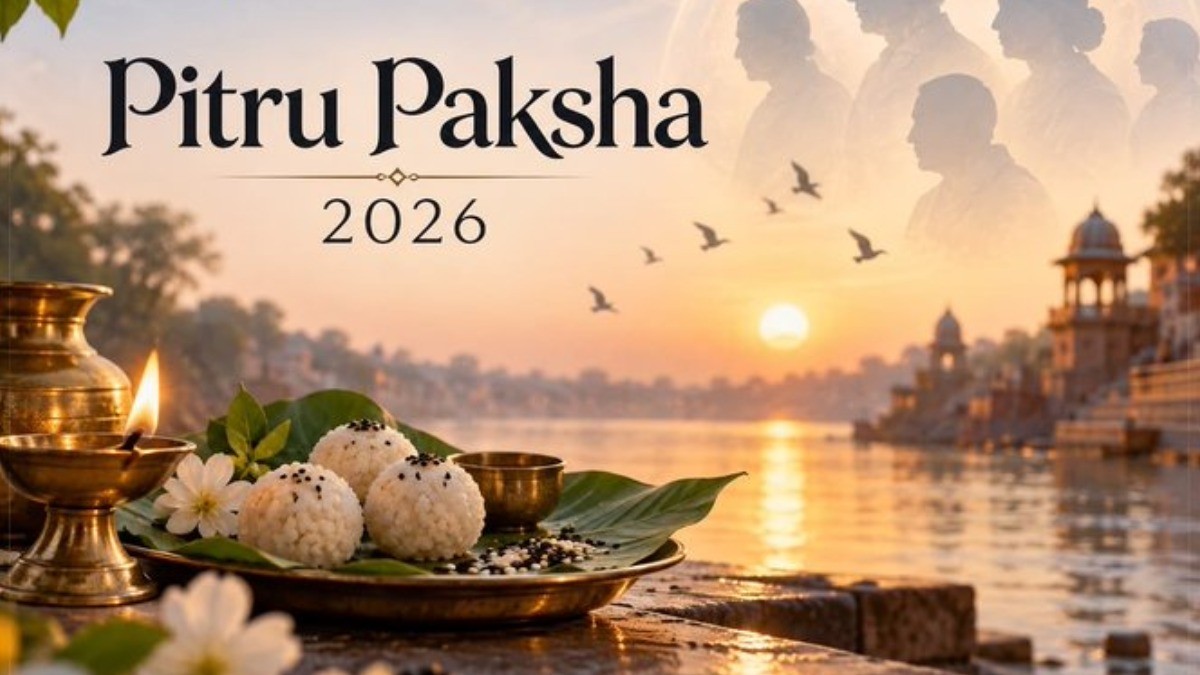
One of the major elements of a few Shraddha traditions is the preparation and offering of Pindas, ritual offerings made in memory of ancestors. Pindas are made with ingredients (cooked rice, sesame seeds and other things of the family’s custom) and prayers and rituals are performed according to local customs.
Pinda is generally a rounded offering. Pindas are traditionally associated with the remembrance and ritual offerings made to departed ancestors in Shraddha ceremonies in Hindu culture. The exact method, ingredients and number of Pindas may differ depending on regional customs, family custom and Shraddha type, and the direction given by a priest. Hence families who take Pitru Paksha should follow the manner of the household rather than assuming one method of doing it in the same way.
Related Articles

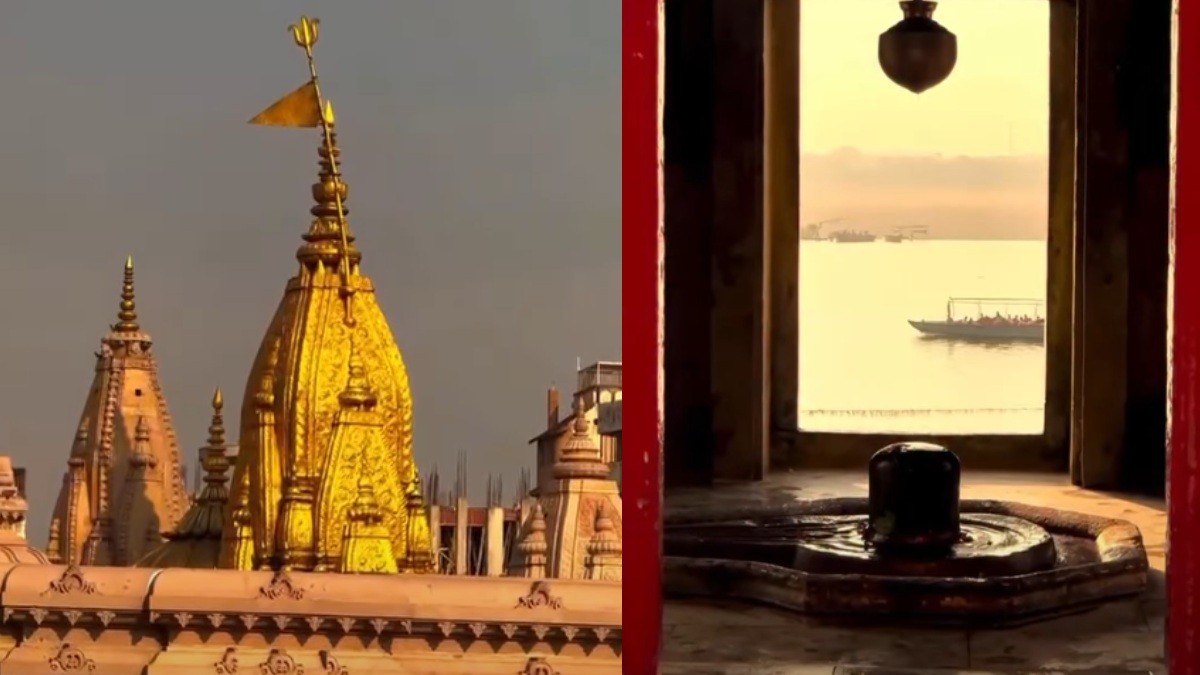
What are Pindas in Pitru Paksha?
Pindas are traditionally prepared as small, rounded pieces of food and are offered as part of ancestral rituals. In many cultures, cooked rice is the main ingredient. Black sesame seeds, milk, ghee, honey or other ingredients can be added according to ritual tradition. Some communities use barley flour or other prescribed ingredients.
The ingredients have symbolic significance in Hindu ritual traditions. Rice is especially associated with nourishment and sesame seeds are often used in rituals for ancestors. The Pindas are prepared and served with care and mantras or prayers are recited.
How to prepare Pindas?
The preparation should ideally be done in a clean and respectful manner. First, rice is cooked until it is soft enough to form small round pieces. Once the rice is cooled down, it can be mixed with black sesame seeds and ghee, milk or honey as the family may like.
Related Articles
The mixture is then shaped into small round balls with clean hands. The size of each Pinda can vary according to the family ritual practice. Some traditions prescribe specific ingredients and proportions, so it is better to consult the priest conducting the Shraddha ceremony if the family does not already have an established procedure.
The Pindas are generally laid out on a clean surface, plate or ritual arrangement for the ceremony. The person performing the Shraddha then offers them according to the prescribed sequence while reciting the relevant mantras and remembering the ancestors.
How many Pindas are offered during Shraddha?
There is no single universal number of Pindas followed in every Hindu Shraddha ceremony. The number can depend on the type of ritual, the ancestors being remembered and regional or family traditions.
In some Shraddha traditions, three Pindas are associated with the immediate three generations of paternal ancestors (father, grandfather and great-grandfather) of the family, and the corresponding female ancestors depending on the ritual. But other ceremonies can have different numbers.
Some traditions have one Pinda, while some have more than one Pinda. In some forms of Shraddha, offerings may be made to the ancestors or to a much larger group of the departed family members. The number can also be different at different stages and different types of ancestral rituals.
Because of these differences, devotees should not assume that offering a particular number automatically makes a Shraddha ceremony complete. The appropriate number is traditionally determined by the specific Shraddha being performed and the customs followed by the family.
Why are Pindas offered?
Hinduism's Shraddha is associated with respect towards departed ancestors, gratitude and remembering. Many communities place Pinda offerings in that ritual framework. The event is based on the assumption that remembering our ancestors and performing prescribed rites is a significant familial and spiritual responsibility.
Pitru Paksha is, so, not just food preparation. It is a period for remembering the family members who have died and expressing gratitude for their place in the family lineage.
What are common ingredients to be used?
Rice and black sesame seeds are among the most commonly used ingredients for Pindas and rice and black sesame seeds are among the most commonly used ingredients in the ritual. Some traditions use ghee, milk, honey and other ingredients. Some may also include barley flour or other grains in some regional practices.
The ingredients should be fresh and handled respectfully. Family recipes or rituals that have been used for generations continue to be followed by many families. Those who don’t know the procedure could consult a priest who knows their family or local tradition.
Can women be involved in Pinda offerings?
Hindu family practices on who performs the Shraddha and Pinda offerings differ significantly. In some families, the eldest son usually performs such rituals and other family members are not. Modern household practices can be different.
This means that there’s no need to assume that one practice is applicable to every Hindu family. To what extent the right procedure is appropriate will depend on community customs, family tradition and the specific ritual being performed.
Importance of Following Family Tradition
Pitru Paksha rituals can differ considerably across India. For example, North India customs can differ from South India and practices can also differ between communities and families. Even the ingredients used to prepare Pindas and the number offered can differ.
For this reason, anyone who is going to perform Shraddha in 2026 must follow the family tradition as far as possible. When the ingredients, number of Pindas, mantras or sequence of rituals are not known, consulting the priest who will conduct the ceremony can help avoid confusion.
Pinda Daan and Shraddha have always been seen as a kind of remembrance, respect and gratitude towards ancestors. Preparation of Pindas is only part of the whole ceremony which may also include Tarpan, food offerings, prayers and charity. In Pitru Paksha 2026, families can perform these rituals according to their traditions with a main focus on remembering and honouring departed family members.



Comments 0