
The Ramayana is one of India's most influential ancient epics, offering stories that have been shared across generations through literature, oral traditions, theatre, music and religious practices. Traditionally attributed to Maharishi Valmiki, the epic tells the story of Lord Rama, his exile, the abduction of Sita, the search for her and the eventual battle with Ravana.
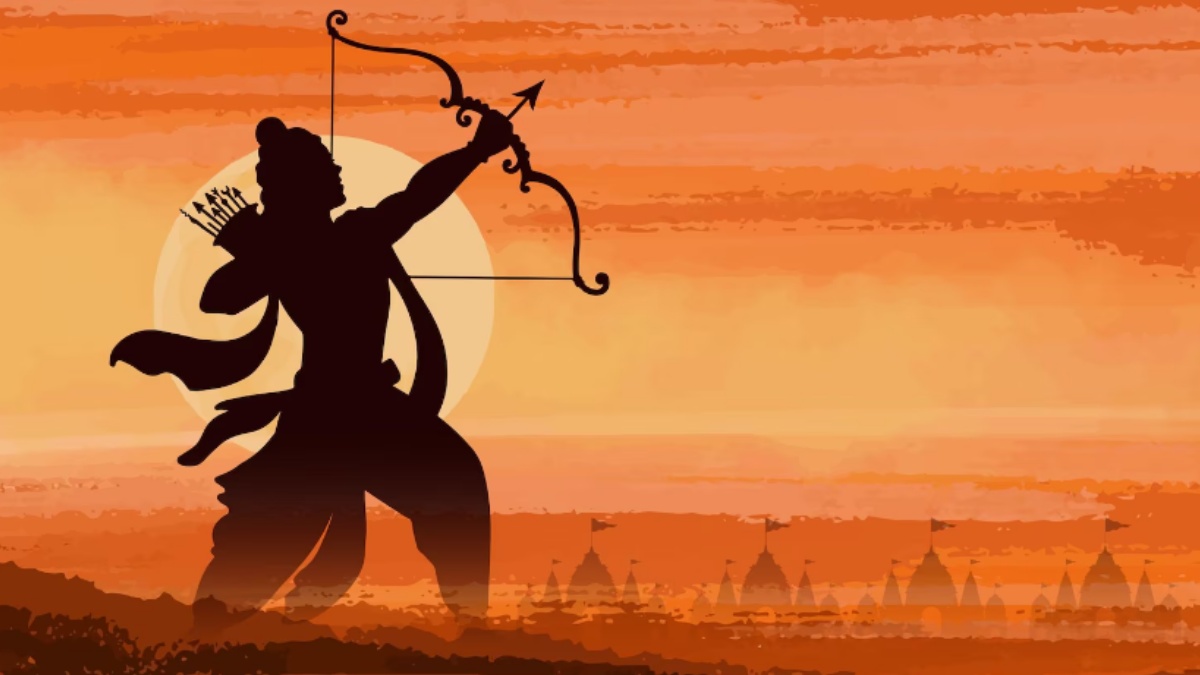
Beyond its narrative of conflict and devotion, the Ramayana contains themes that continue to invite reflection. Its characters face difficult decisions involving family, duty, loyalty, leadership and morality. These themes can offer valuable perspectives for modern life when understood within their cultural and historical context.
The importance of integrity
One of the central themes associated with Lord Rama is the importance of keeping one's word and acting according to one's principles.
Related Articles


Rama's acceptance of exile is traditionally portrayed as an example of commitment to duty and integrity. The story invites readers to consider the importance of standing by one's values, particularly when doing so is difficult.
In modern life, integrity can mean being honest in professional relationships, keeping promises and making decisions that align with one's principles rather than simply choosing the easiest option.
Duty and responsibility
The concept of dharma, broadly understood as righteous duty or conduct, plays a major role in the Ramayana.
Related Articles

Characters repeatedly face situations in which personal desires come into conflict with responsibilities toward family, society or their principles. The epic encourages reflection on the responsibilities that accompany different roles in life.
For modern readers, this can translate into taking responsibility for one's actions, fulfilling commitments and considering how personal decisions affect others.
The strength of relationships
The Ramayana contains several powerful examples of loyalty and relationships. The bond between Rama and Lakshmana, Hanuman's devotion to Rama and Bharata's relationship with his brother are among the stories that have remained culturally significant.
These relationships highlight the value of trust, loyalty and support during difficult periods.
A strong relationship is not necessarily one without disagreements or challenges. Rather, it can be built through mutual respect, reliability and a willingness to stand beside one another during difficult circumstances.
Courage during adversity
The characters in the Ramayana encounter exile, separation, uncertainty and conflict. Their experiences demonstrate that difficult periods are often unavoidable and that resilience can help people navigate them.
Courage does not always mean the absence of fear. It can mean continuing to act thoughtfully despite uncertainty.
In everyday life, resilience may involve recovering from professional setbacks, dealing with personal difficulties or finding the strength to begin again after disappointment.
Hanuman and the power of devotion
Hanuman is one of the most beloved figures in the Ramayana and is traditionally associated with devotion, courage, humility and service.
His dedication to Rama demonstrates how commitment to a meaningful purpose can inspire extraordinary determination. At the same time, Hanuman is frequently portrayed as powerful without being arrogant.
This combination of strength and humility remains an important lesson: abilities become more meaningful when they are accompanied by responsibility and self-awareness.
Leadership should be responsible
The Ramayana also presents different examples of leadership. Rama is traditionally portrayed as a ruler who places responsibility and duty at the centre of his conduct, while Ravana's story is often interpreted as a warning about the destructive consequences of pride, unchecked desire and misuse of power.
The contrast encourages reflection on leadership in every setting, from families and workplaces to larger institutions.
Good leadership requires accountability, self-control and consideration for others not merely authority.
Avoiding the dangers of ego
Ravana is traditionally depicted as highly learned and powerful, yet his story demonstrates how knowledge and ability can be undermined by arrogance and uncontrolled desire.
The lesson is not that ambition itself is wrong. Rather, ambition without ethical boundaries can become destructive.
Modern life can involve constant competition and comparison, making humility particularly valuable. Success becomes more sustainable when people remain open to learning and recognise the contributions of others.
Compassion and empathy
The Ramayana also encourages reflection on compassion. Its many characters experience loss, separation, fear and difficult choices.
Recognising the struggles of others can make relationships more meaningful. Compassion does not necessarily require solving another person's problems; sometimes listening and offering support can be equally important.
Applying the Ramayana to modern life
The Ramayana can be approached in different ways depending on cultural, spiritual and personal perspectives. Its stories have been interpreted differently across regions and traditions, so there is no single way to understand every character or event.
Nevertheless, themes such as integrity, responsibility, loyalty, courage, humility and compassion remain relevant.
The enduring appeal of the Ramayana lies partly in its ability to encourage self-reflection. Its characters and events invite us to think about how we respond when values are tested, how we treat people who depend on us and how we use whatever power or abilities we possess.
Ultimately, the Ramayana's life lessons are not simply about achieving success or overcoming an external enemy. They are also about developing character, making thoughtful choices and remaining connected to principles during challenging times. These timeless themes continue to make the epic a source of reflection and wisdom for generations of readers.


Comments 0