
The Ramayana is a cherished tradition in Indian culture. Valmiki's epic tells the story of Rama's exile and his relationship with Sita and Lakshmana, the search for Sita after her abduction and the battle with Ravana.
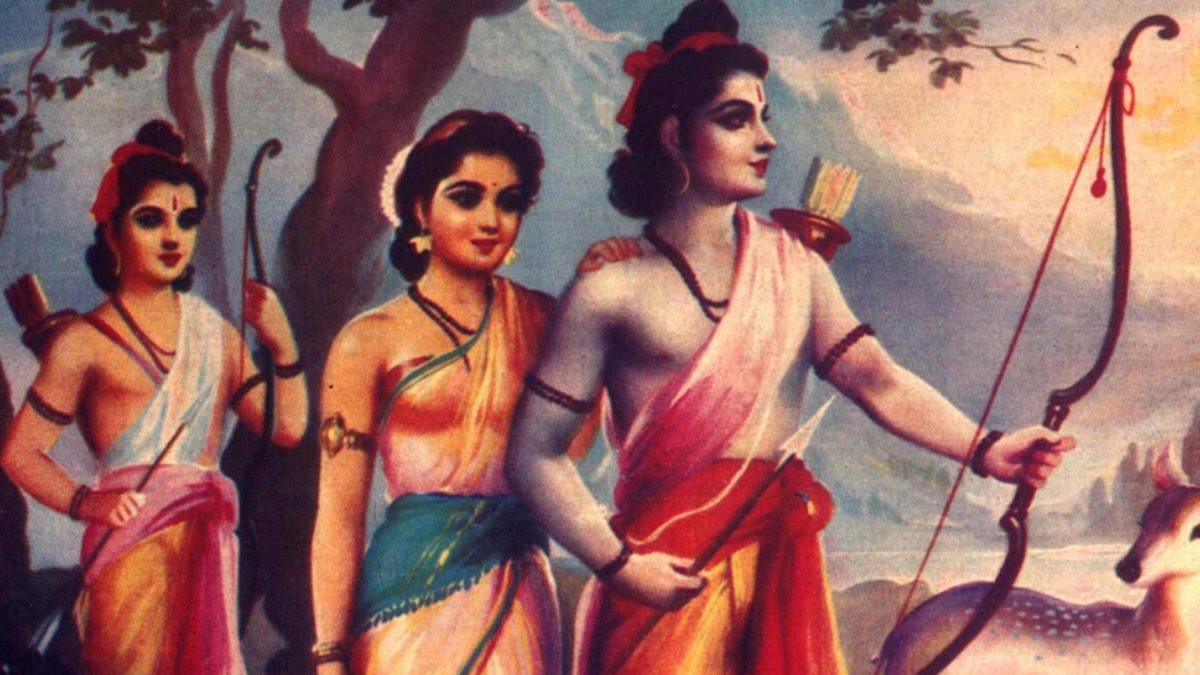
But for a lot of people, Ramayana isn’t just about kings, warriors and kingdoms. It’s also about dharma, duty, devotion, relationships, sacrifice—and how righteous acts clash with unrighteous acts.
Lord Rama and the meaning of Dharma.
At the heart of the Ramayana is Dharma. Dharma is generally the word for righteousness, duty and moral responsibility but in some instances it can be much more than that.
Related Articles

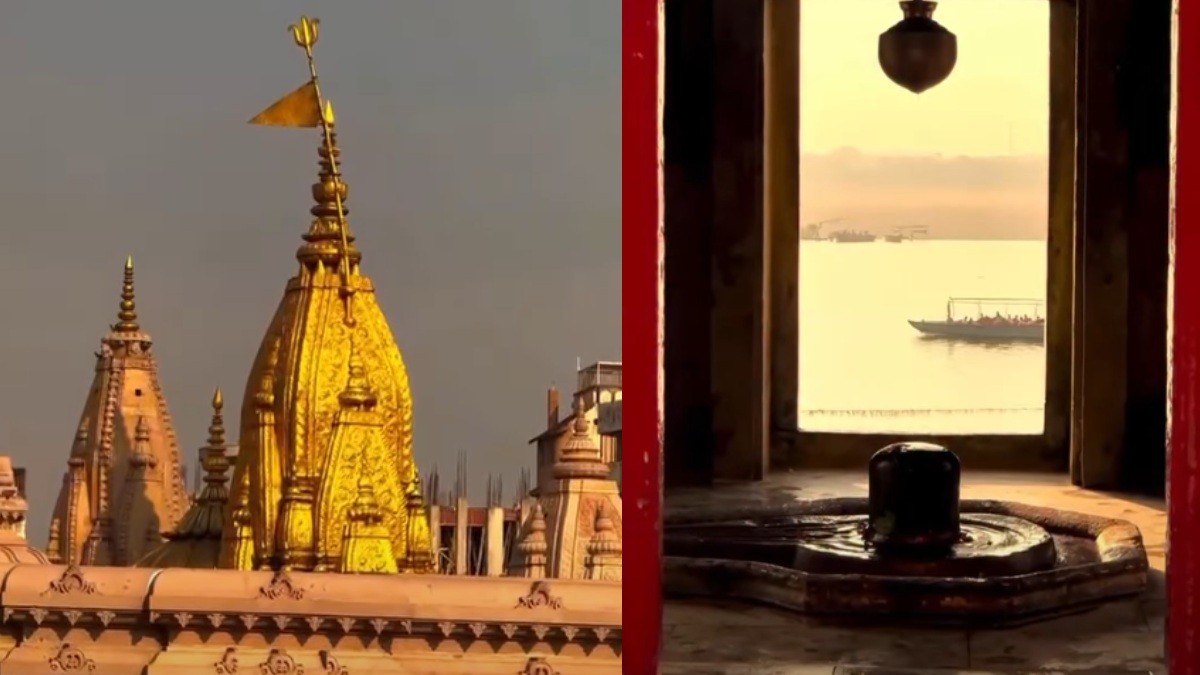
Lord Rama is usually referred to as Maryada Purushottama and is said to be a man of good conduct and duty. His willingness to go to exile for the good of his father is perhaps the greatest example of this principle.
The episode, spiritually, is one of the ways in which hard times can test someone’s commitment to one’s values.
Sita: strength, devotion and courage
Sita is a pillar in the Ramayana and is regarded as the spiritual one.
Related Articles
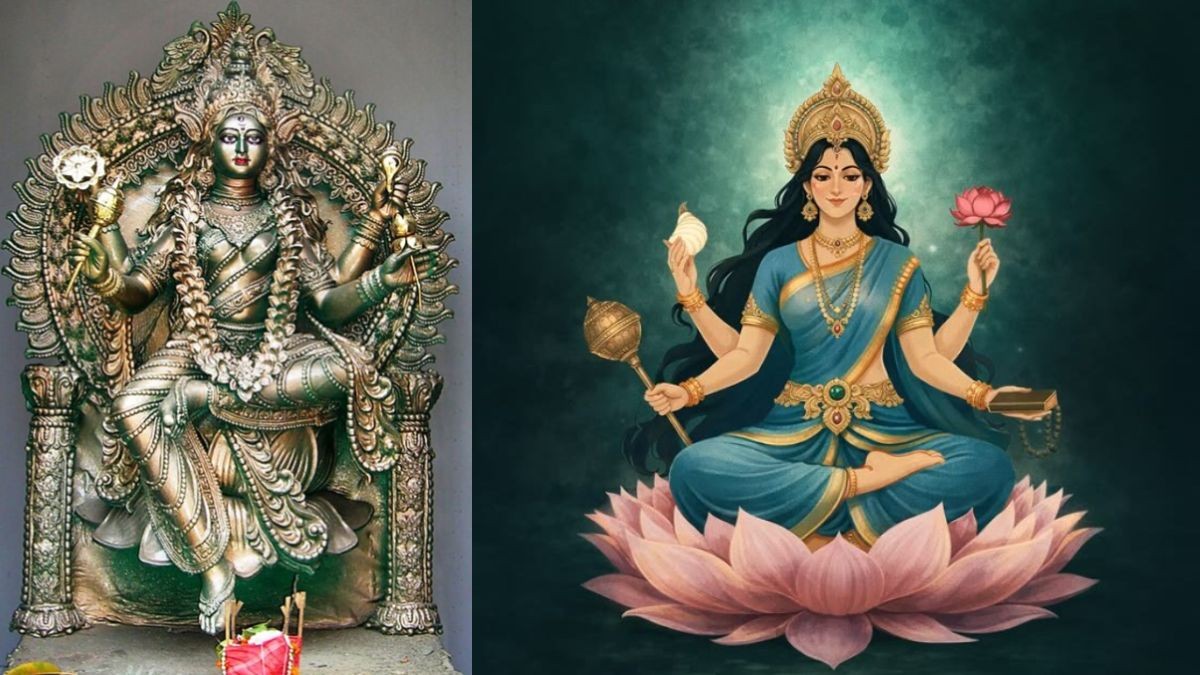
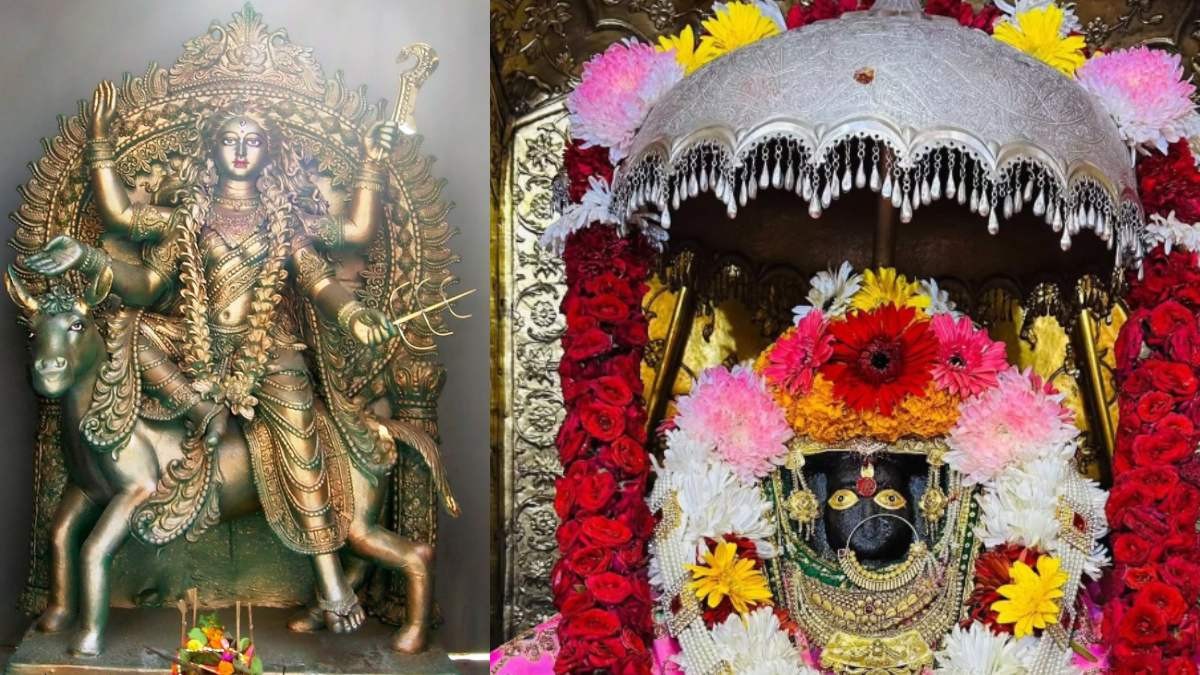
Her experiences illustrate the fact that spiritual strength is not just physical strength. So Sita is immortalized and a great living example in Indian religious and cultural institutions as she has battled through pain and also kept a sense of identity.
Hanuman and Devotion.
Hanuman is another central aspect of Ramayana: bhakti, or devotion.
His love for Rama is always thought of as selfless service. Hanuman's strength is not only physical: he has a spiritual agenda in his devoted heart.
For the devotees, Hanuman’s character is humility, courage, loyalty and complete respect for a higher purpose.
Ravana and the inner struggle of the demons.
Ravana is generally depicted as a wise and powerful ruler but his actions are ultimately driven by pride and desire.
From a spiritual perspective, Rama and Ravana’s struggle should be seen not only as a battle between two people but also as a symbolic struggle between dharma and adharma.
The story encourages readers to reflect on how uncontrolled desire, ego and arrogance can affect judgment.
Ramayana as a guide to Relationships
Ramayana also looks at relationships between parents and children, brothers, spouses, friends and rulers. Rama and Lakshmana’s relationship highlights brotherly loyalty, while Bharata’s actions are often depicted as sacrifice and respect for family duty.
These relationships make the epic not just relevant in the historical and religious context but also in the social context.
Which is the spiritual message of Ramayana?
The spiritual meaning of Ramayana is the focus on living according to values even when circumstances are difficult. It calls for reflection on truth, responsibility, compassion, devotion and self-control.
For millions of people, Ramayana is still a source of spiritual inspiration because its characters and events inspire people to question their own choices and responsibilities.
We conclude
The Ramayana is deeply rooted in India's spiritual and cultural heritage. And whether as holy scripture, literature, philosophy, or cultural tradition, its central themes remain central to our thinking on dharma, devotion, sacrifice, courage and righteous living.



Comments 0