
Rohini Vrat is a Jain religious observance related to Rohini Nakshatra. Devotees are committed to the vrat and fasting and religious activities are part of the observance.
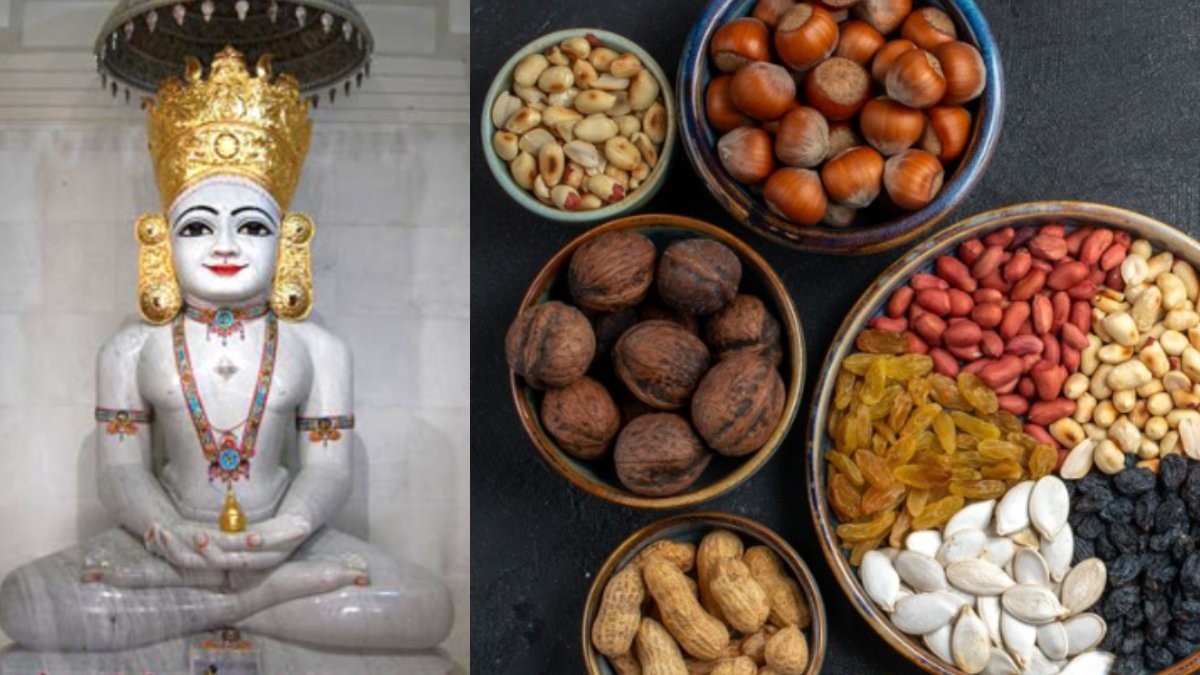
The dietary rules vary based on the type of fast that a person has in mind and the Jain tradition. There is no single food plan that is the same for every devotee.
What Can Be Eaten During a Less Strict Fast?
Some devotees take a partial or restricted fast rather than a complete fast. Depending on individual practice, simple vegetarian foods can be eaten.
Related Articles
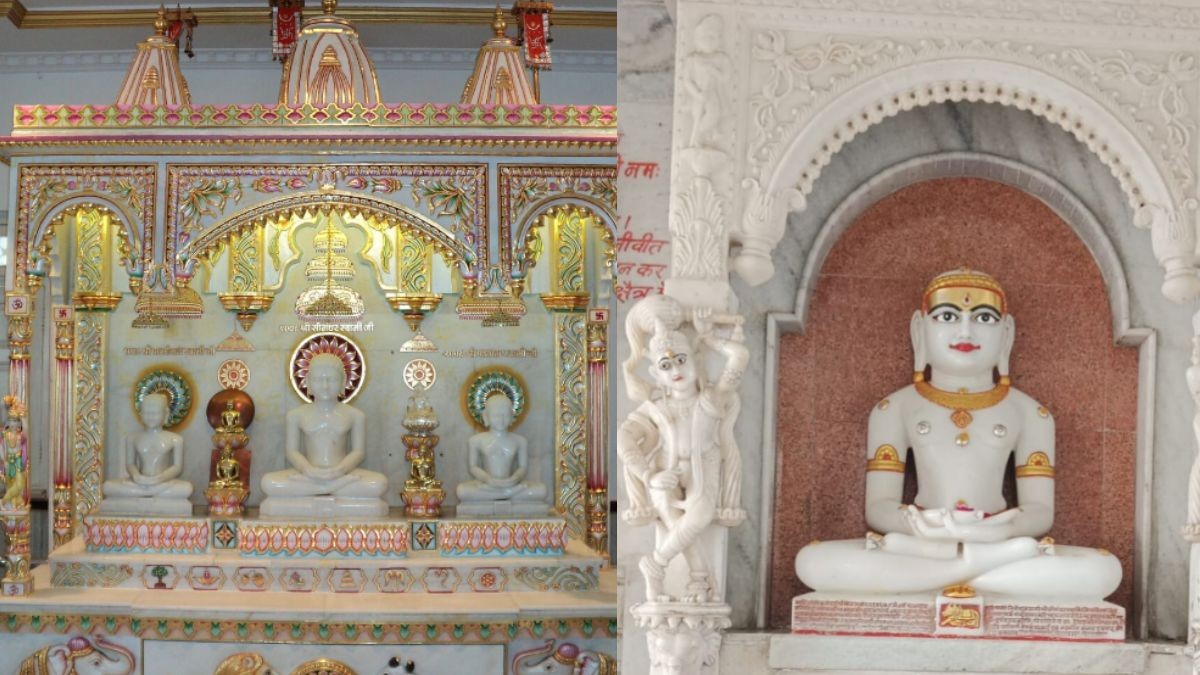

In common choices, fresh fruits, nuts, seeds, and vegetarian foods are common. Some people may also eat simple meals prepared without ingredients that are traditionally avoided in Jain cuisine.
Food should be served as it is: without extra spices or excess. The vrat is more about restraint and spiritual discipline than an elaborate fasting diet.
What Foods Are Always Avoided?
Jain diets put a great deal of emphasis on avoiding foods that are believed to cause more harm to living beings.
Related Articles

In the Jain fasting traditions, devotees avoid meat, fish, and eggs. Alcohol is also avoided.
Jain practitioners also avoid root vegetables such as onion, garlic, potato, carrot, and radish, particularly when following stricter Jain dietary principles. The reasoning is linked to the Jain emphasis on minimizing harm to living beings.
Packaged and Processed Foods
Devotees are going to be more likely to cut back on processed or packaged food. Besides religious reasons, having meals simple can make the fasting period less of a chore.
Those following a particular Jain fasting tradition should check whether packaged ingredients comply with their specific rules.
Water and Complete Fasting
Rohini Vrat does not mean the same type of fast for everyone. Some people may go on a full fast, while others may follow a more limited form of fasting.
Water intake and the timing of breaking the fast can vary according to the practice followed. The family tradition or Jain religious teacher should guide those who are doing a strict fast.
Maintaining Spiritual Discipline
Rohini Vrat is not just about changing one’s diet for a day. For devotees, fasting is linked to self-control, prayer, meditation, and spiritual discipline.
Food should be simple but not too much indulgence can help devote people to the religious purpose of the observance.
What should I remember during Rohini Vrat?
Someone observing Rohini Vrat should know the rules associated with their particular Jain tradition before beginning the fast. Pregnant women, children, older people, and people with medical issues should not undertake any kind of restrictive fasting without professional advice.
The most basic idea of the observance is self-restraint, devotion, and mindfulness. The practice must be based on religious tradition and personal circumstances whether one does a complete fast or a permitted dietary restriction.



Comments 0