
Sawan 2026 can be far more than a month of prayers and religious observances. The month is always one of devotion, contemplation and spiritual practice and can also be an opportunity to slow down, be more mindful and get back in touch with yourself. Meditation, conscious breathing, prayer and gratitude are all ways of maintaining calm and reflection that are very much in line with this and help with a spiritual detox.
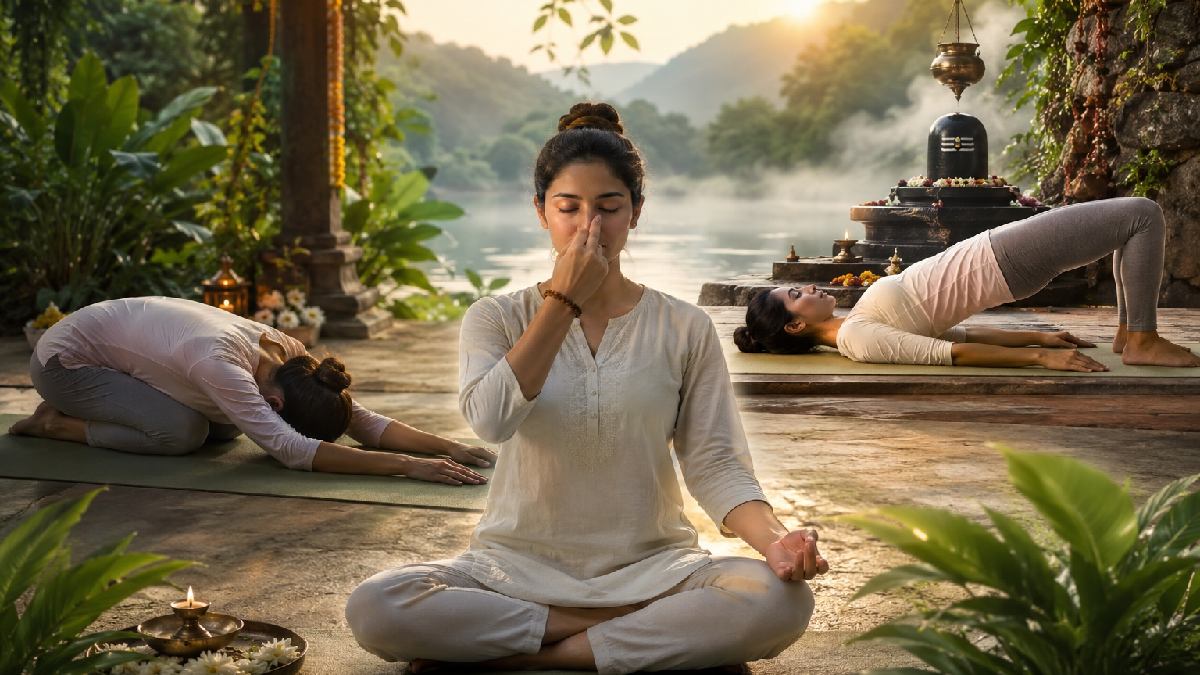
Himalayan Siddhaa Akshar, the founder of Akshar Yoga Kendraa, says yoga, meditation, mindful breathing, prayers and thanksgiving can be part of a Sawan routine for spiritual cleansing. The larger idea is to cultivate positive thoughts, peaceful emotions and purposeful actions in our daily life.
Sawan can be a time for reflection and renewal
Spiritual wellness does not require a complete 180-degree turn around of your daily life. If done in a consistent manner, even small, intentional actions become meaningful when observed consistently. Waking up a little early, spending a few quiet moments outdoors, eating healthy meals, being grateful, or taking time for prayer to meditate can make for moments of stillness in a day where you’re busy.
Related Articles
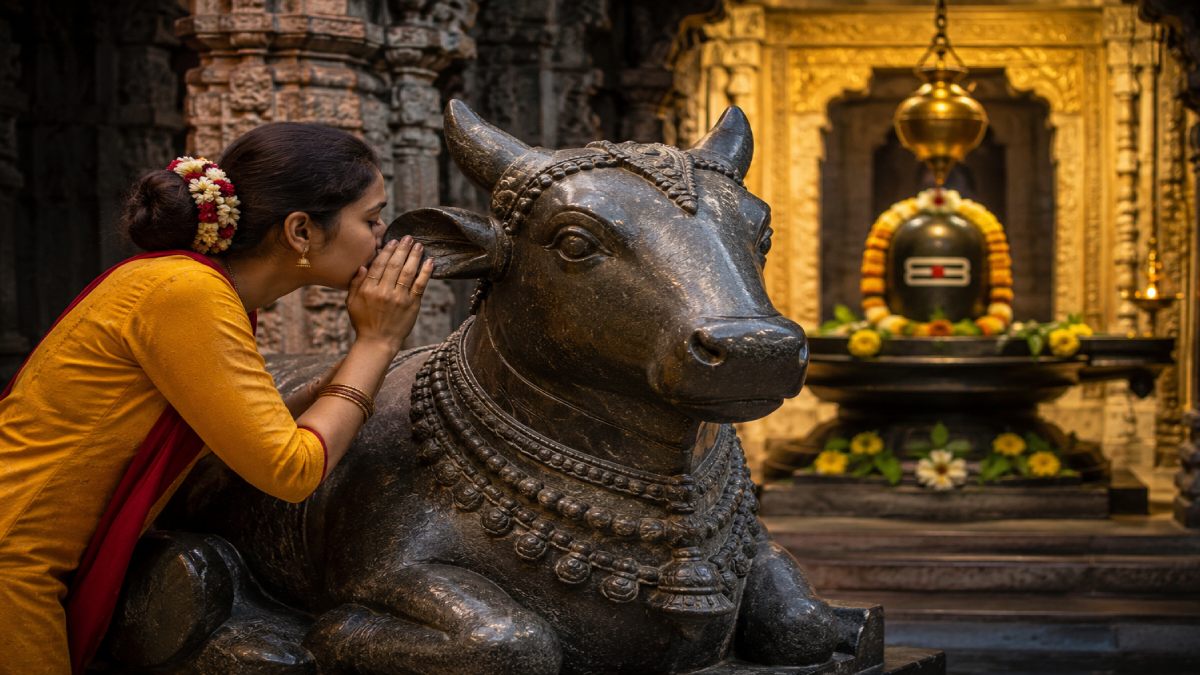

A spiritual detox can also be an opportunity to be so much more aware of your thoughts, habits and reactions. Rather than thinking only of the things that you want to eliminate, think of habits that promote relaxation, mindfulness, and emotional balance.
Yoga can take a step up these practices by bringing the mind back to the body and breath. Just a short, gentle yoga session can become a part of your Sawan routine.
Practise Balasana for relaxation
Balasana— also known as Child's Pose— is a gentle yoga posture that is usually used for relaxation and rest. To practice it, start in a kneeling position and slowly lower your torso towards your thighs and then bring your forehead down towards the floor. Your arms can be extended forward or held along your body where you feel most comfortable.
Related Articles
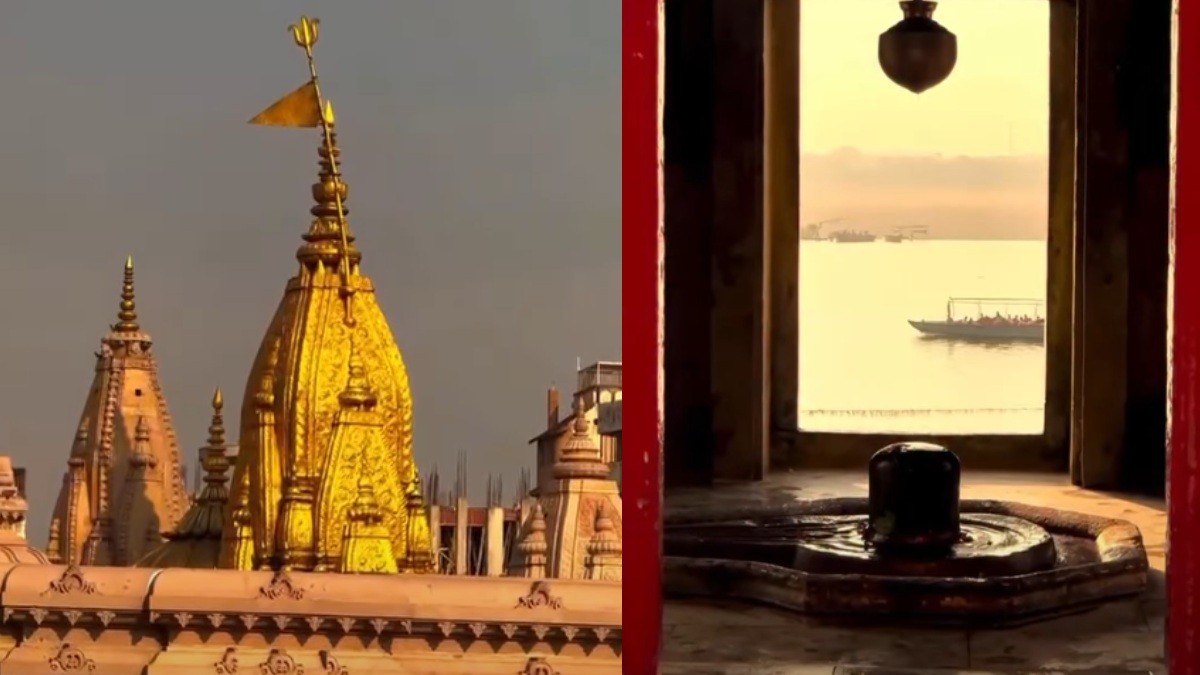
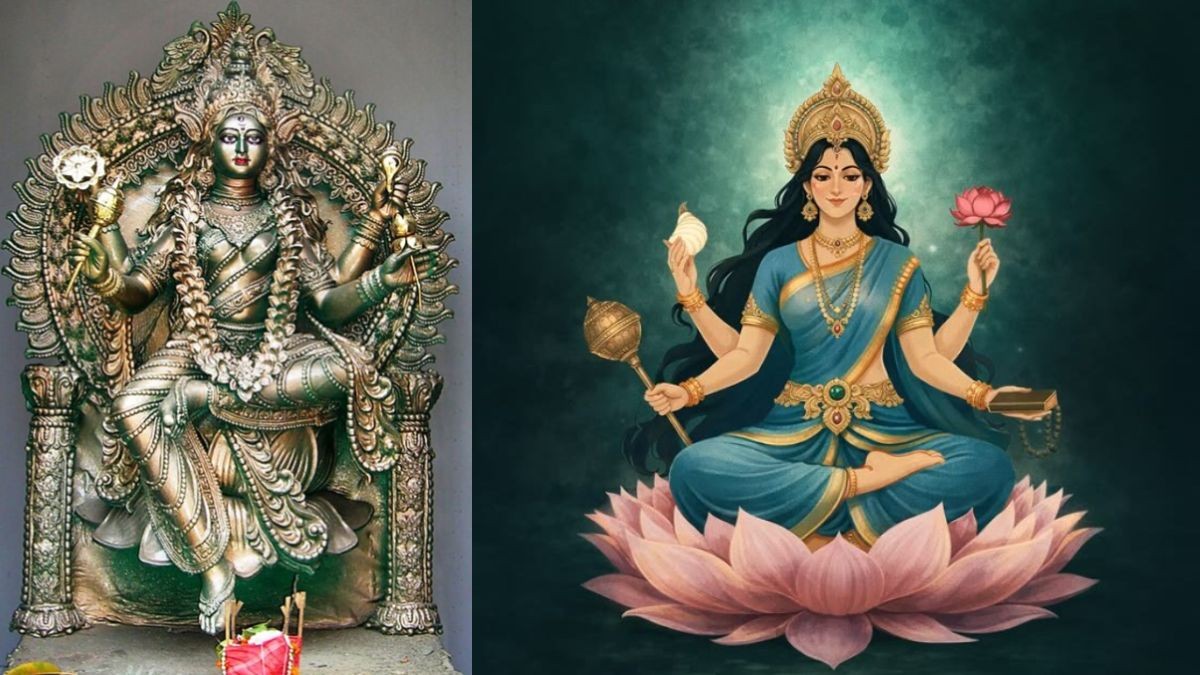
So the posture can give a gentle stretch to the back and hips while allowing time to breathe. It would be best while a quiet meditation or reflective meditation takes place.
Don’t force yourself to do the position. If the floor is hard to reach, a cushion or other kind of support can be placed under the head or knees. Any injury or health issue of a person who is new to yoga should be seen by a doctor before starting a yoga practice.
Add Setu Bandhasana to your routine
Setu Bandhasana or Bridge Pose can be incorporated into a Sawan wellness routine as a gentle movement. Lie on your back with your knees bent and feet comfortably on the floor. Your arms are at your side and, as you breathe, you slowly lift your hips (in a way that you can breathe comfortably). Hold it for a few breaths then slowly lower yourself.
Bridge Pose involves several muscle groups and encourages awareness of posture and movement. It can also help to transition between more active yoga postures and quieter practices such as meditation.
Move slowly and avoid sudden movements, particularly around the neck. The posture should feel controlled and comfortable rather than forced.
Try Nadi Shodhana for mindful breathing
Nadi Shodhana Pranayama (sometimes referred to as alternate nostril breathing) can be incorporated into a morning or evening mindfulness practice. Sit comfortably with your spine relaxed and breathe slowly through one nostril while gently closing the other. Then switch sides and repeat the process.
The focus should be on slow, comfortable breathing rather than forcing the breath or holding it for a long period of time. Akshar told us, the practice could contribute to concentration, emotional steadiness and a calmer breathing pattern.
If you’re a novice, even a few minutes of easy practice with the breath can be enough for beginners. The aim is not to perform the technique perfectly but to anchor your attention to focus on the breath.
Combine breathing with meditation
Alternate nostril breathing can also be followed by a few minutes of quiet meditation. Once the breathing practice is complete, sit comfortably, close your eyes if that feels appropriate and watch your natural breathing.
When you are not so easily distracted, if you’re not too frustrated when your mind wanders; instead of getting frustrated when your mind wanders, just bring your attention back to the breath. It is easy to become aware and this is the easiest way to cultivate mindfulness and to have inner stillness.
Meditation doesn’t have to last for a long time. The practice can easily be achieved with five or ten minutes of quiet time per day.
Make gratitude and prayer part of Sawan
Spiritual wellness can go beyond yoga and meditation. Prayer, gratitude and quiet reflection can also become meaningful aspects of the month. Each day, you can take a few moments to reflect on people, things or opportunities you appreciate and so on and think about them every day.
Sawan 2026 can therefore be taken as a cue for you to pause and reconsider what contributes to your physical and emotional state of mind. I’d rather not look for a quick spiritual cleanse but habits that can be sustained beyond one month.
Yoga, mindful breathing, meditation, prayer, healthy food, rest and gratitude make Sawan a period of quiet contemplation and renewal. The aim is not perfection but consistency. If you make small moments of mindfulness into everyday habits and practice daily, Sawan will be something you remember long after the month ends.



Comments 0