
Secularism is often discussed in terms of politics, government and constitutional principles. But it can also be understood from a spiritual perspective. At its heart, secularism will be a way of asking people to respect different religious paths while still being committed to values such as compassion, peace, equality and human dignity.
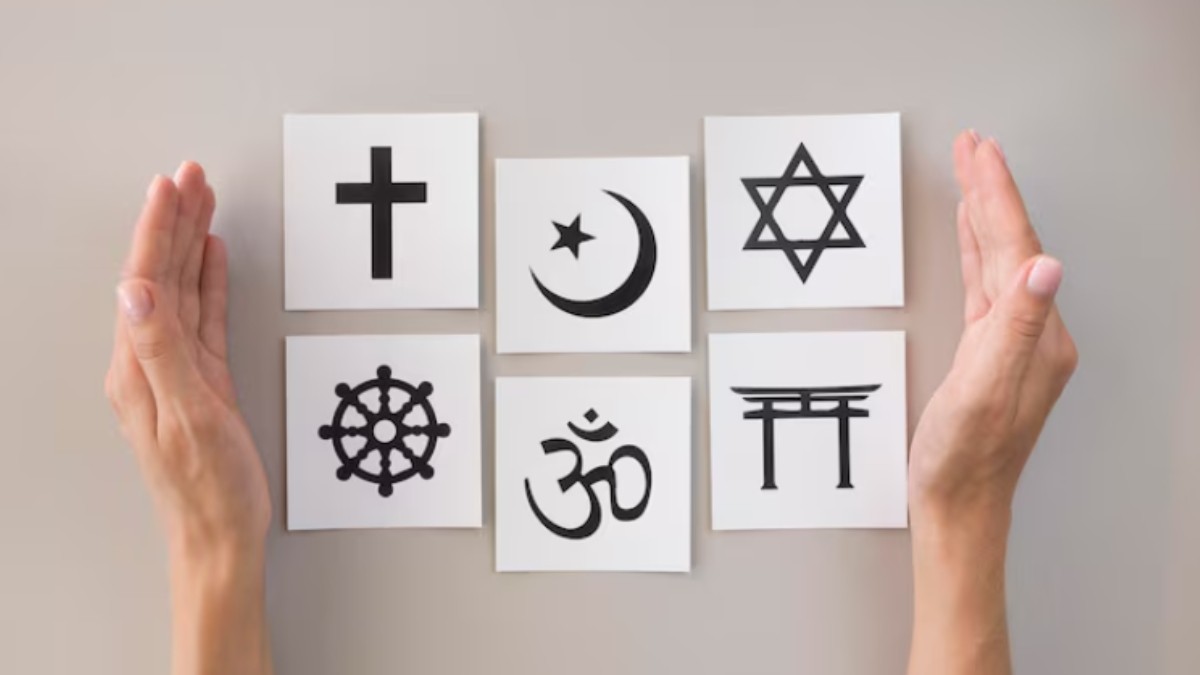
For a spiritually diverse society like India, respecting different beliefs can be a crucial part of peace.
Every Faith Can Offer a Path to Spirituality
Different religions have their own prayers, traditions, festivals and ways people think about the Divine. People can worship in temples, mosques, churches, gurudwaras, and other places of worship.
Related Articles

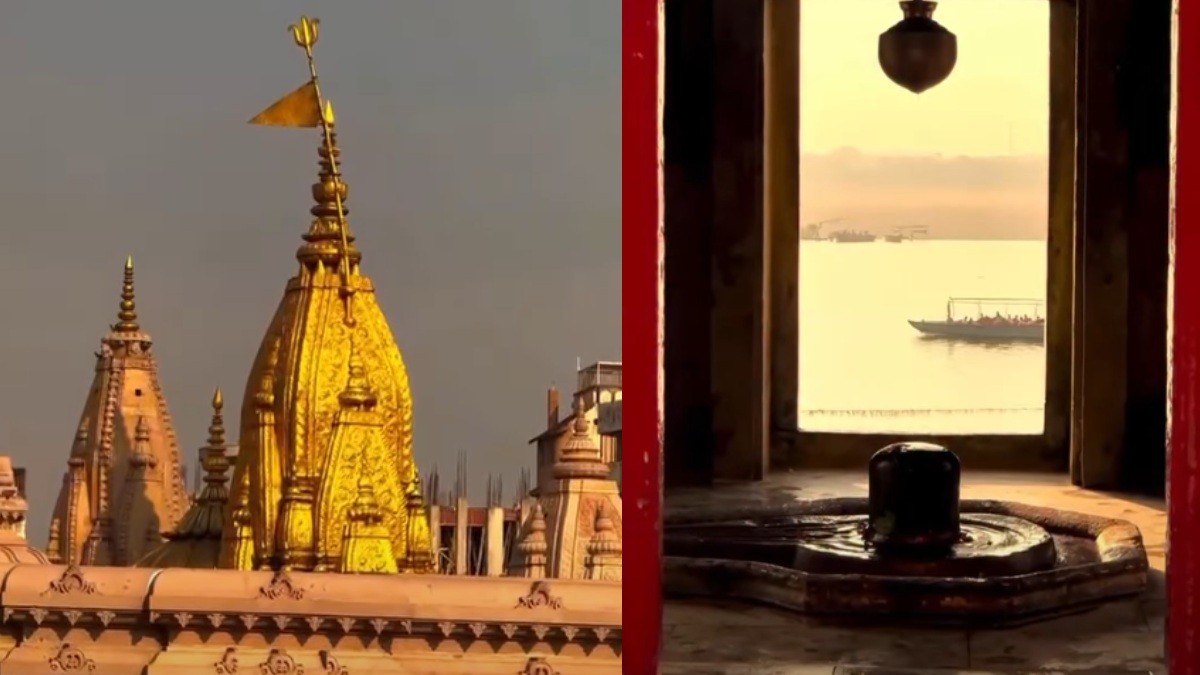
The sociology of secularism does not require everyone to follow the same path. Rather, it supports individuals to be able to practice their faith according to their own beliefs as compared to others’ beliefs.
Respecting Different Beliefs
Spirituality teaches compassion, kindness and humility. These values can help people to see that a person’s beliefs are different, but not to regard those differences as a reason for hostility.
Respect does not mean that everyone should agree on religious beliefs. It means allowing people to follow their conscience while treating others with dignity.
Related Articles
The Spiritual Value of Tolerance
Tolerance is key to peaceful coexistence. In a very diverse society, people might have different ideas about God, worship, rituals and spirituality.
Learning to live peacefully with these differences can encourage patience and understanding. It can also help people move beyond prejudice and focus on common human values.
Humanity Beyond Religious Identity
Many spiritual traditions stress the importance of helping others. If we feed someone who is hungry, take care of the elderly, help the poor or give to a stranger, we are showing spirituality to one another, no matter what religion.
From this perspective, secularism can create space for people from different faiths to work together for the well-being of society.
India’s Long Tradition of Spiritual Diversity
India has a long history of different religious and spiritual traditions existing alongside each other. Hindu, Buddhist, Jain, Sikh, Islamic, Christian and other traditions have all contributed to India's cultural landscape.
This diversity has resulted in many traditions of spirituality, philosophy, meditation, service and so on.
Peace Begins With Understanding
Religious differences can create misunderstandings when people know little about traditions other than their own. Learning about different faiths can encourage curiosity rather than fear.
Understanding does not require changing one’s own beliefs. A person can always remain attached to his/her faith and still see some spiritual practices and values in the life of others.
Secularism and Inner Peace
From a spiritual perspective, secularism can be associated with peace of coexistence. Community-based dialogue and cooperation will be better as long as everyone is free to practice their faith without discrimination and has respect for different beliefs.
And the larger message is that spiritual life is about being devoted to one's own path and to others’ paths and respect for their own paths.
Conclusion
So secularism can be seen in terms of not just a social or political principle but also values of ‘peace, compassion, tolerance and respect’. Different people may walk different spiritual paths but they are all humans and all have human values and responsibilities.
A spiritually harmonious society does not require everyone to believe the same thing. It requires people to acknowledge differences, respect one another and choose peace of mind.



Comments 0