
Raksha Bandhan is one of the most celebrated festivals in India, and is associated with love, affection, respect and the bond between siblings. It is celebrated on the full moon day, or Purnima of the Hindu month of Shravana, which is usually on a weekday in July or August.
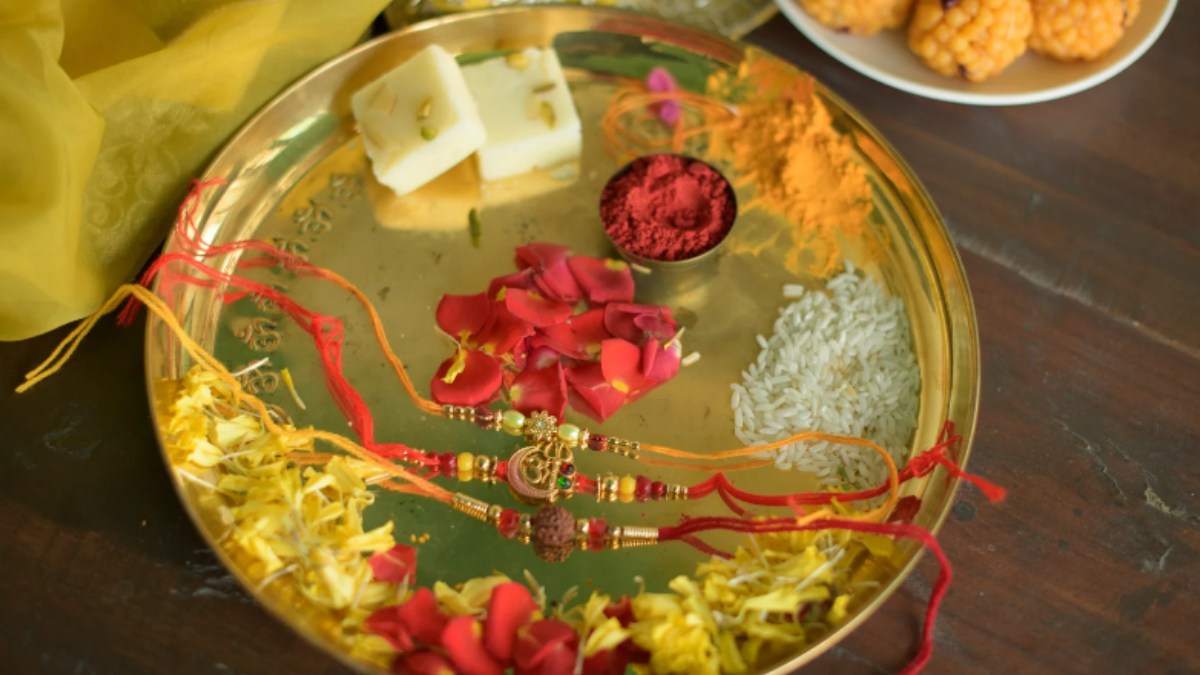
The term “Raksha Bandhan” is generally associated with “bond of protection” and has the significance of a sister attaching a sacred thread, rakhi, to her brother’s wrist and the brother will usually promise to stand by his sister and offer a gift as a sign of his love. It has evolved from a simple ritual to a celebration of family and emotional bond over time.
Raksha Bandhan’s central ritual is the tying of rakhi. Whenever families celebrate each festival they typically organise a puja thali, where the rakhi, kumkum or tilak, rice grains, sweets and a diya are all placed. The sister applies a tilak to her brother’s forehead, ties the rakhi around his wrist and offers sweets. Then, the brother gives her a gift and makes a vow to support and protect her. The customs of different communities and families are different but the common theme is that siblings should be celebrated, respected and strengthened.
Related Articles

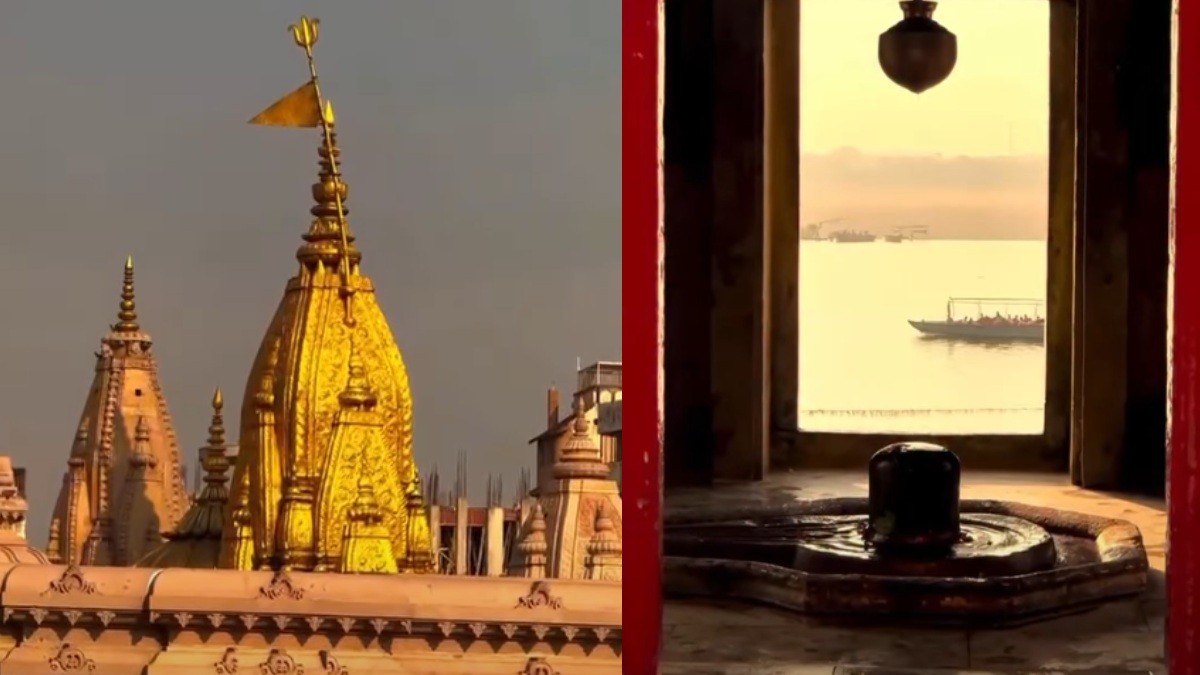
Raksha Bandhan’s origin is linked to many stories and traditions from Indian history and mythology. One of the well-known traditional accounts is associated with Lord Krishna and Draupadi.
In the Mahabharata story, Draupadi tied a piece of cloth around Krishna’s wrist and Krishna later protected her. It is widely regarded to be an example of love, loyalty and a bond that goes beyond a physical relation. But Raksha Bandhan’s story and rituals evolved over the centuries and different regions and communities have their own stories and customs related to the festival.
Another popular and longstanding historical tradition links Raksha Bandhan with the Rajput custom of sending rakhis as symbols of protection and goodwill. Stories such as queens sending rakhis to rulers have made a cultural point to the rakhi as a symbol of a protective relationship. These are among the festival’s most important cultural traditions, but historical stories and popular retellings can differ.
Related Articles
Raksha Bandhan also has a deeper social meaning. The festival inspires people to love and be a part of family and not just to run around in their busy lives. In contemporary society, siblings may live in different cities or even different countries because of education, employment or other responsibilities. Raksha Bandhan is the time for families to come together, exchange gifts, eat and connect emotionally. Even if siblings can’t meet in person, they’re celebrating in video calls and online gifts and digital messages.
The festival has evolved beyond the traditional brother-sister relationship. In many families, cousins and close friends and other loved ones participate in rakhi ceremonies. Some communities celebrate relationships of mutual support as opposed to the traditional notion of a brother protecting a sister. This changed interpretation is evidence of contemporary family structures and how care, responsibility and emotional support can be shared by everyone.
People in various regions of India celebrate Raksha Bandhan differently. Some regions have festivals related to other events during the Shravana period. Special prayers, traditional food, family and community festivals are celebrated on the day. Market spaces are full of rakhis, sweets, gifts and festive decorations in the days leading up to the festival.
The rakhi itself has changed considerably. Traditional cotton threads are still popular while modern designs are made of handmade rakhis and personalised items, eco-friendly products and decorative designs. Nowadays, a lot of families prefer sustainable rakhis made from natural or reusable materials. But the focus is on the sentiment behind the thread rather than the material value.
Food is also central to Raksha Bandhan celebrations. Most families cook sweets and traditional foods at home and local Indian sweets are also exchanged as gifts. That one shared meal will also enable family members to spend time together and celebrate together.
At its core, Raksha Bandhan is about building relationships. While the traditional ritual is about a rakhi and a promise of care and protection, the bigger message is mutual respect, affection and responsibility. The festival reminds siblings that their relationship can provide emotional support through different stages of life.
As Raksha Bandhan continues to evolve, the customs have adapted as we live differently, but its emotional impact remains strong. Whether it’s in a big family ceremony or in a rakhi exchange, or in a virtual celebration across borders, the festival continues to be an opportunity to appreciate one of life’s longest-lasting relationships. Raksha Bandhan is more than a ritual of hanging on to one’s family, it’s family together and celebrating the stories of family.



Comments 0