
The cross is one of the most holy and powerful symbols in Christianity. For millions of Christians around the world, it represents the love of God, the sacrifice of Jesus Christ, the forgiveness of sins and the promise of eternal life. In addition to being a religious symbol, the cross is a spiritual symbol of how love can overcome suffering and hope can emerge even at the darkest times of life.
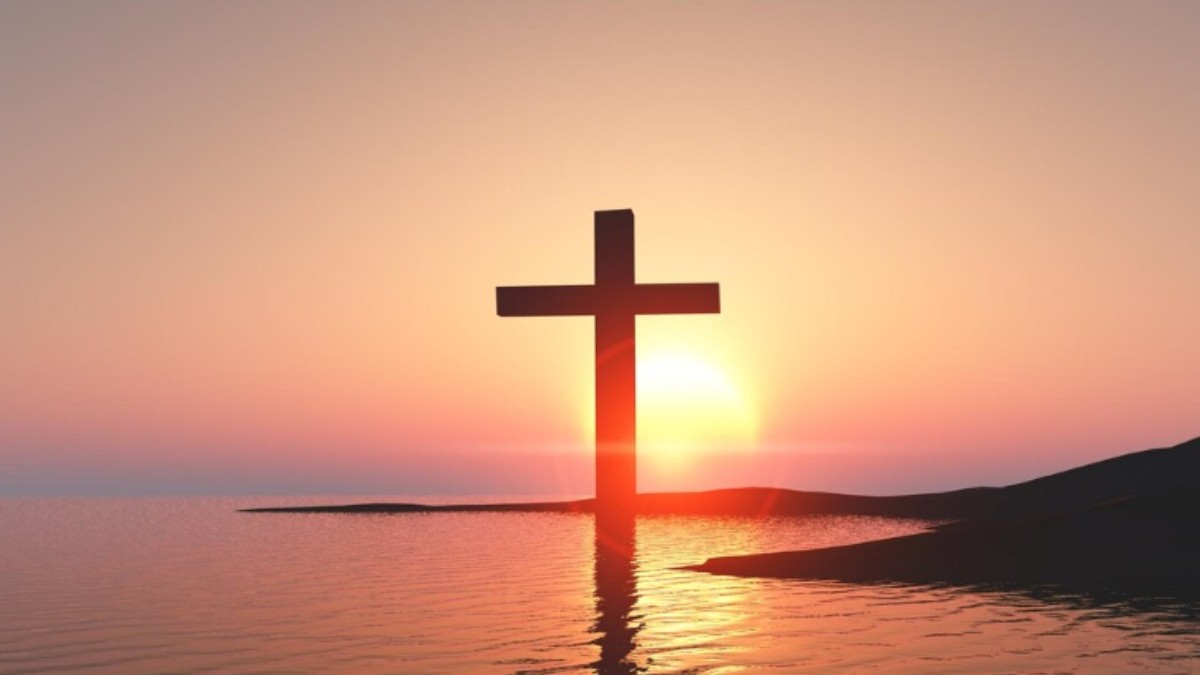
The significance of the cross is the crucifixion of Jesus Christ and that is central to Christian faith. Christians take Jesus Christ to be willing to suffer and die in order to save humanity and show God’s love for each person.
The Cross and the Sacrifice of Jesus Christ
Jesus was crucified at Golgotha, said the New Testament. His death has deep spiritual meaning for Christians because it is selfless love and the willingness to sacrifice for others.
Related Articles


The cross tells us: God is never a ‘good man’ and he is not a good man at all. Jesus’ willingness to suffer is what makes him love people and not just the suffering of them.
For Christians, remembering the crucifixion is an invitation to reflect on their own lives and ask how they can show greater kindness, patience and understanding towards others.
Forgiveness and the Cross.
One of the most basic spiritual messages of the cross is forgiveness. In the Gospel of Luke, Jesus prays for those who were responsible for his crucifixion, saying, “Father, forgive them; for they know not what they do” (Luke 23:34, KJV).
Related Articles
These words have inspired generations of Christians to reflect on the power of mercy and compassion.
The cross teaches believers that forgiveness can be a path to inner peace. It’s also a way of moving beyond hatred, releasing resentment, and looking for reconciliation when it is possible. Forgiveness does not mean accepting injustice, but it can help people respond to pain without allowing bitterness to control their hearts.
The Cross and the Promise of Resurrection
Without Jesus Christ’s resurrection, the cross cannot be truly understood in Christianity. Christians believe Jesus rose from the dead on the third day, demonstrating victory over sin and death.
This belief gives the cross hope. What appeared to be an end was a new life and spiritual renewal, and new life, if it was truly an end, through the resurrection.
For believers in grief, uncertainty or personal struggles the cross and resurrection provide reassurance that suffering does not have to define the whole of life’s journey.
It is Life carrying the Cross.
Jesus’ statement about taking up the cross and following him is in the Gospels (Matthew 16:24). Christians intellectually see this teaching as a call to faith, humility, courage and responsibility.
Carrying the cross in everyday life does not mean suffering. Instead it can mean staying faithful when things are difficult, helping those in need, standing for truth and choosing love over selfishness.
Small acts of service, honest living, prayer and compassion can become expressions of Christian faith.
The Cross as a Source of Prayer and Peace
Many Christians pray before a cross at church, homes and places of worship. Looking at the cross can stir you to reflect, give thanks and to make a sense of gratitude to God and be more connected to Him.
It reminds believers that they are called to love their neighbours, care for the vulnerable and approach others with mercy. When fear or sadness are the cause of this, the cross can serve as a reminder of God's presence and the hope in faith.
Conclusion: A Timeless Message of Divine Love
Christianity has the cross and its spiritual significance far beyond the physical. It is sacrifice, forgiveness, redemption and hope of resurrection.
For Christians, the cross is a reminder that divine love can be sustained through suffering and that faith can lead people to compassion and renewal. The message that is still with us is an invitation to live with humility, forgive sincerely and to be kind to others.
And the cross leads to the heart of Christian spirituality: a life that is love, faith, sacrifice and hope.



Comments 0