
The Last Supper is one of the most recognized scenes in Christian tradition. It was the last meal that Jesus Christ ate with his disciples before his crucifixion. And in addition to its importance in religious history and art, the Last Supper has deeply spiritual messages for faith, love, sacrifice, forgiveness and human nature.
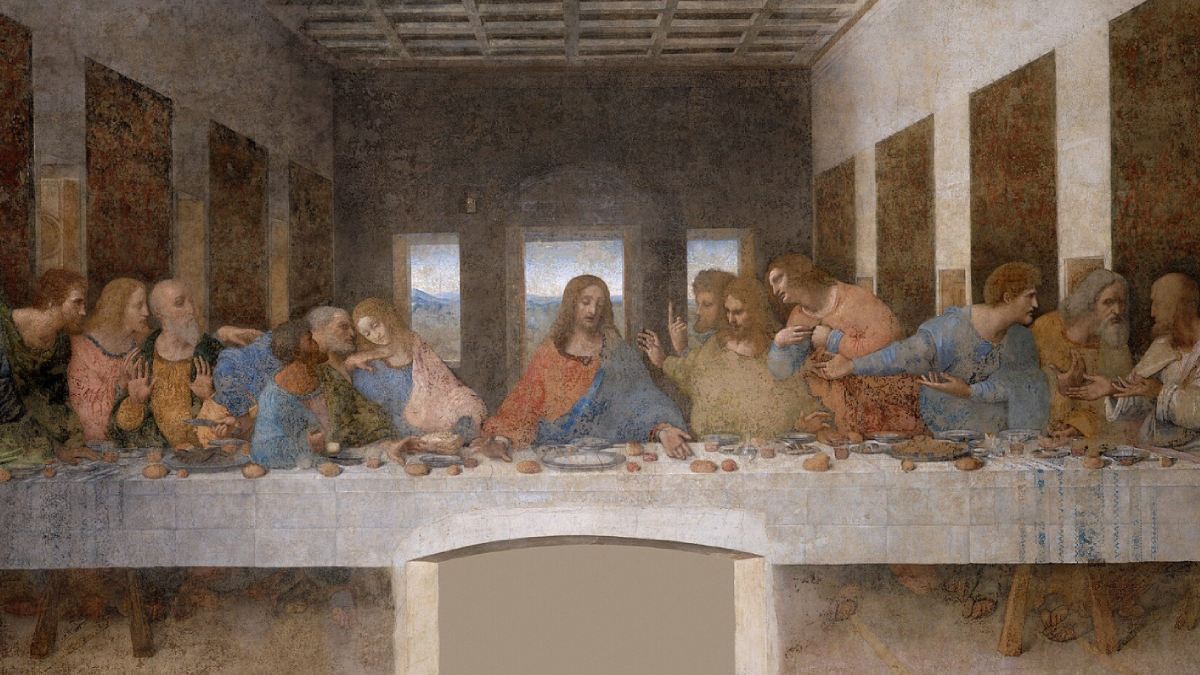
Leonardo da Vinci painted the Last Supper, but the spiritual significance of the Last Supper is far more than the art.
The Final Meal Before the Crucifixion
The Last Supper took place before Jesus was arrested and crucified. During the meal, Jesus told his disciples that one among them would betray him.
Related Articles


A shock to the disciples was brought out by the announcement. But Jesus remained stoic despite the suffering and sacrifice.
This is Christ’s decision to accept his mission despite the pain and suffering he would endure, for Christians.
A Message of Love and Service
One of the most important spiritual lessons of the Last Supper is the importance of selfless love. Jesus gave his disciples the meal and emphasized love, humility and service.
Related Articles

The occasion reminds believers that true spirituality is not just about religious rituals. It can also be expressed through compassion, kindness and service to others.
The Meaning of Bread and Wine
Bread and wine are of great significance to the Last Supper. Christian tradition links them to the body and blood of Christ and the establishment of the Eucharist or Holy Communion.
We know that for Christians, Communion is a holy sacrament where they remember Jesus’ sacrifice and reflect on his teachings.
The simple elements of bread and wine therefore have a much deeper spiritual meaning; remembrance, faith and communion are at the heart of them.
Facing Betrayal With Faith
The reality of betrayal makes the Last Supper so powerful. Jesus knew Judas Iscariot would betray him, yet the meal continued.
Spiritually, this part of the story can lead to a reflection on human weakness, disappointment and forgiveness. It reminds believers that faith can be tested in hard times.
The story also asks people to consider how they respond when trust is broken and relationships become painful.
Sacrifice and Forgiveness
The Last Supper is about the crucifixion - one of the central events of Christianity. Christians view Jesus’ death as an act of God’s love and a stepping stone to forgiveness and redemption.
This message has led generations of believers to think about forgiveness—not only seeking forgiveness but also learning to forgive others.
A Reminder to Live With Compassion
The spiritual message of the Last Supper extends beyond church walls. Its themes can be applied to everyday life through kindness, humility, compassion and care for others.
It teaches people to value relationships and recognize that acts of love and service can have lasting significance.
Why The Last Supper Still Holds Spiritual Meaning
The Last Supper has been said to inspire prayer, reflection and religious devotion for centuries after the biblical event, and Leonardo da Vinci’s famous portrait.
It’s a message, in one way or another, that is to say, more than a last meal. It’s a reminder of faith in the face of uncertainty, love in the face of suffering, humility in service and forgiveness when human failure doesn’t go well.
For believers, the Last Supper is a sacred invitation to remember Christ’s teachings and think about how those teachings can shape everyday life.



Comments 0