
Lord Ganesha is one of the most famous figures in Hindu mythology. Also known as Ganapati, Vighnaharta and Ekdanta, Ganesha is associated with wisdom, auspicious beginnings and the elimination of obstacles.
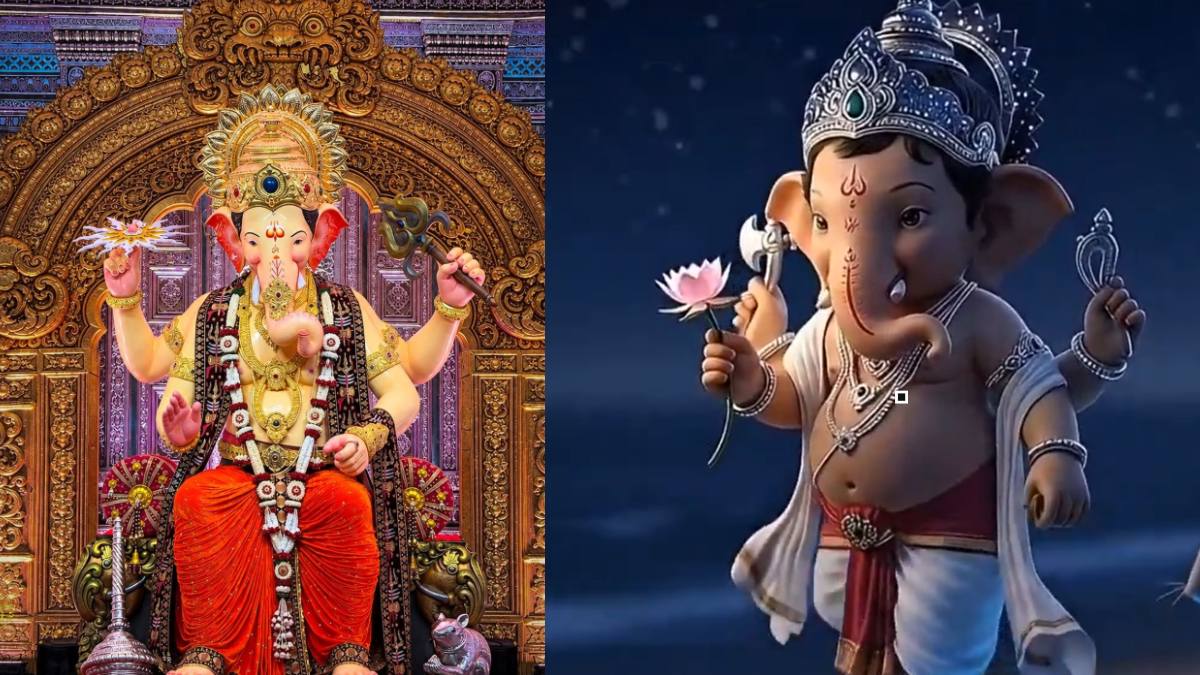
But behind that ubiquitous image of god is so much more than the familiar image. And there are so many untold stories, symbolism and historical development behind it that even so many people don't know about.
Why does Ganesha have an elephant head?
One of the best-known stories comes from Puranic traditions. In the popular version of the story, Goddess Parvati creates Ganesha to protect her as she is bathing. When Lord Shiva comes and Ganesha refuses to let him into the room, Shiva cuts off Ganesha’s head.
Related Articles
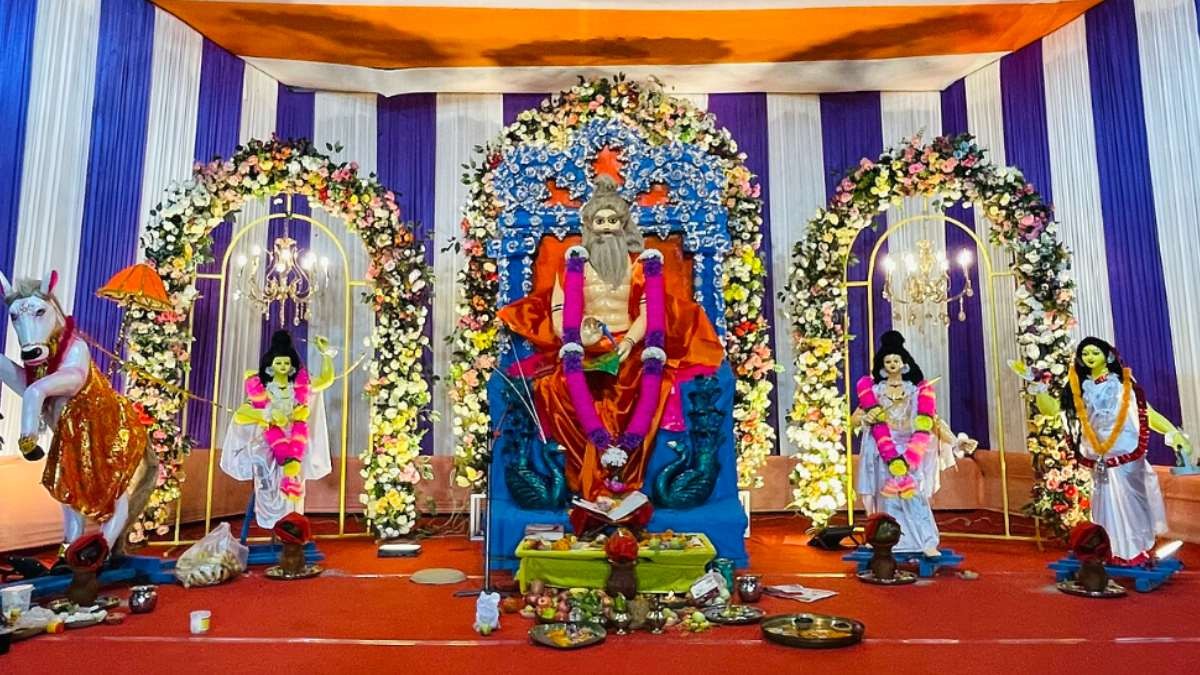

After seeing Parvati's anger, Shiva restores Ganesha's life by replacing his head with that of an elephant.
But there is not one single version of Ganesha's origin story. Different Hindu texts and traditions give different versions of his creation, death and restoration.
Why is Ganesha worshipped first?
Ganesha is commonly worshipped before major ceremonies, trips and new ventures because he is said to be the one who removes obstacles.
Related Articles
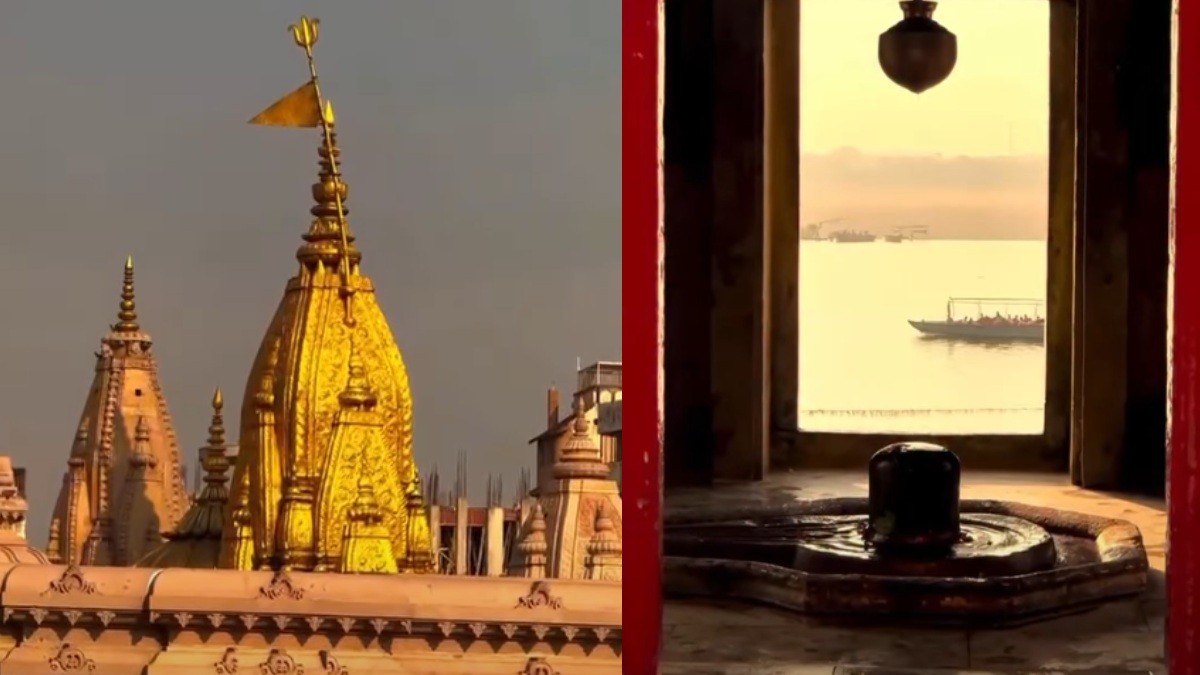
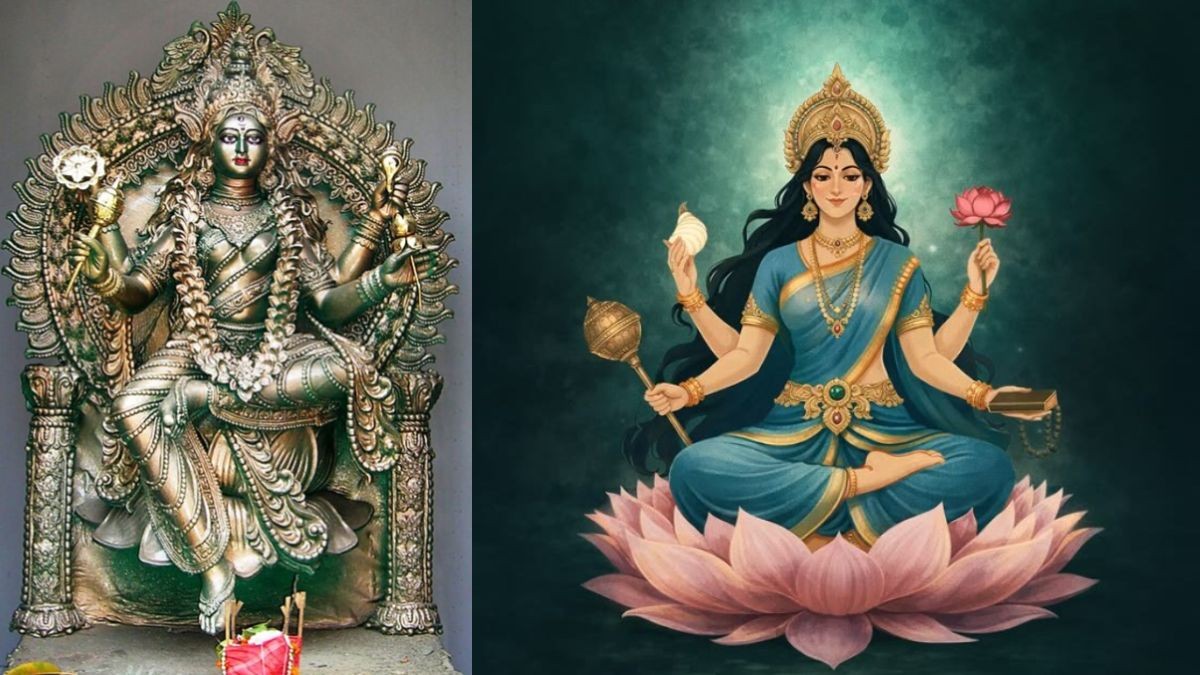
Another popular story speaks of his status as the deity who should be honored first. When Shiva and Parvati ask their sons to circle the world, Ganesha instead circles his parents, because his parents represent the whole universe to him.
The story shows devotion, wisdom and the idea that intelligence can sometimes be more valuable than physical speed.
The Meaning Behind the Elephant Head
Ganesha is like a symbol.
His large ears are often seen as a signal to listen carefully, while his elephant head is wisdom and strength. His wide belly symbolizes how he absorbs life’s experiences and the single tusk has earned Ekdanta the name of “one-tusked”.
These interpretations differ from one to the next but together they have made Ganesha one of Hinduism's most recognizable symbols.
Why does Ganesha have a mouse as his vehicle?
But one of the most startling facts is Ganesha's traditional vehicle or vahana, the mouse.
A giant elephant-headed deity and a small mouse may seem outlandish to some but in Hindu culture it’s symbolic. The mouse is often said to represent restless desires or the capability of getting in even the smallest places.
Ganesha riding the mouse can therefore be understood as a symbolic representation of wisdom controlling desire.
Ganesha Chaturthi wasn’t always a huge public affair.
Ganesh Chaturthi celebrations, especially in Maharashtra, have huge idols, processions, music and community events.
But the festival’s modern public character is closely related to India’s freedom movement.
Lokmanya Bal Gangadhar Tilak transformed Ganesh worship into a large public community festival in 1893. Tilak saw the festival as a way to unite people and to create a platform for social and nationalist mobilisation under British rule.
And this means that today’s spectacular public celebrations have both religious and contemporary historical dimensions.
From Household worship to a Mass Festival.
Ganesh worship was already a well-established practice prior to the modern revival, with celebrations associated with Maharashtra’s Maratha and Peshwa times. But under British rule, public celebrations became less frequent and Ganesh worship became more linked to private household observances.
Tilak’s efforts of the late 19th century have turned the festival into a major public gathering of people from all social groups.


Comments 0