
The holy month of Shravan, also known as Sawan, holds a special place in Hindu tradition and is dedicated to Lord Shiva. Mondays during Shravan are particularly significant, with devotees observing Shravan Somwar vrat, visiting Shiva temples and offering prayers to Mahadev.
In 2026, the Third Shravan Somwar is attracting special attention among devotees because of a noteworthy spiritual convergence associated with the day's observances. For worshippers, such combinations are traditionally viewed as an opportunity to deepen devotion, undertake spiritual practices and seek the blessings of Lord Shiva.
It is important to note that dates and the number of Shravan Mondays can differ according to regional calendars and whether a community follows the Amanta or Purnimanta lunar calendar. Devotees should therefore check their local Panchang for the exact observance and puja timings.
Related Articles


Why Is Shravan Important to Lord Shiva
Shravan is traditionally regarded as one of the most auspicious months for Shiva worship. Devotees believe that sincere prayer, fasting, meditation and charitable acts performed during this period carry special spiritual importance.
According to Hindu mythology, the Samudra Manthan, or churning of the cosmic ocean, produced the deadly poison Halahala. Lord Shiva is believed to have consumed the poison to protect creation. His throat turned blue, earning him the name Neelkanth.
Devotees associate Shravan with this sacred tradition and offer water and other devotional offerings to Shiva as an expression of reverence.
Related Articles
Significance of Shravan Somwar
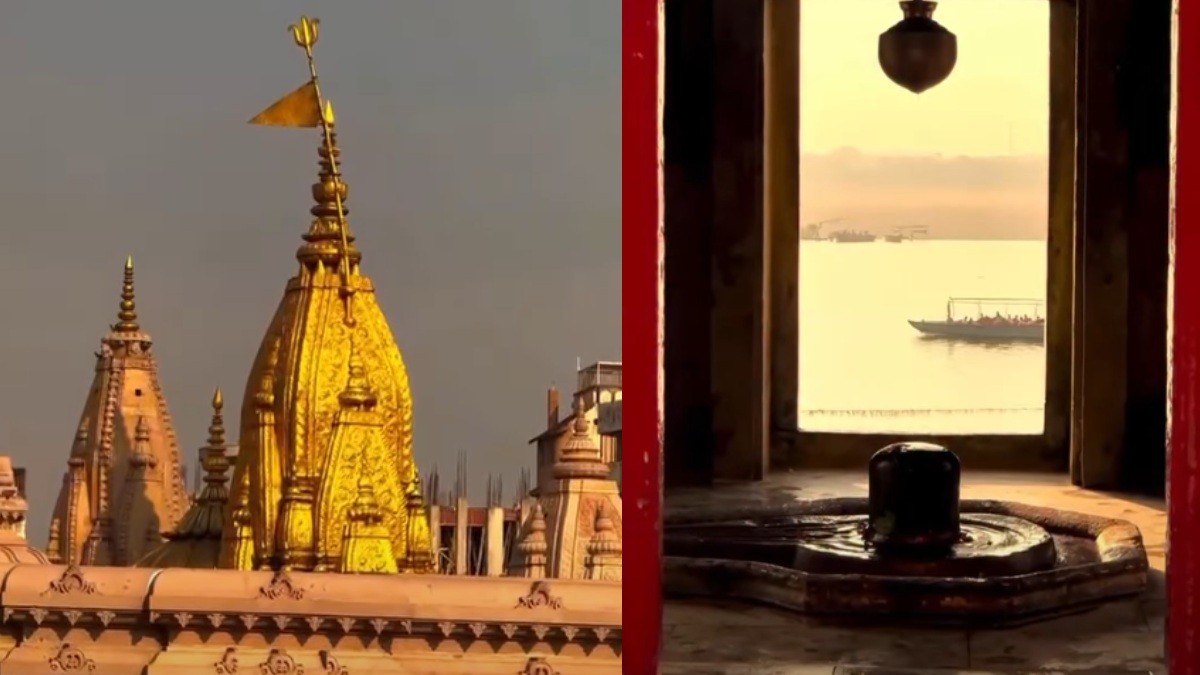
Monday is traditionally associated with Lord Shiva. Therefore, Mondays falling during Shravan are considered especially auspicious for Shiva devotees.
Many devotees observe a fast from sunrise until evening or follow a simpler sattvic diet depending on their family traditions and health circumstances. Some undertake the vrat for all Mondays of Shravan, while others observe selected Mondays.
The purpose of the vrat is not simply fasting from food. For many devotees, it represents discipline, devotion, self-control and spiritual reflection.
What Makes the Third Somwar Special
The Third Shravan Somwar can be considered particularly meaningful when it coincides with other auspicious observances in the Hindu lunar calendar. Such a convergence may encourage devotees to spend more time in prayer, meditation and temple worship.
Rather than viewing the day only as an occasion for material wishes, devotees can use it as an opportunity for introspection and strengthening their spiritual connection with Lord Shiva.
Those who follow traditional astrology or Panchang-based practices may consider the combination of tithis, nakshatras and other planetary factors while planning their worship.
Shiva Puja Rituals for Shravan Somwar
Devotees can begin the day by waking early, bathing and maintaining a peaceful state of mind. After cleaning the puja area, they may place a Shiva Lingam or image of Lord Shiva for worship.
Common offerings include:
- Water or Gangajal
- Milk, according to family tradition
- Bilva leaves
- Flowers
- Fruits
- Sandalwood paste
- Incense and lamps
Devotees may chant “Om Namah Shivaya” while offering water to the Shiva Lingam. The Maha Mrityunjaya Mantra and other Shiva prayers may also be recited by those familiar with them.
Temple visits are another important part of Shravan devotion. Many Shiva temples organize special abhishekam and prayer ceremonies during the month.
Fasting Rules and Precautions
Fasting traditions vary considerably between families and regions. Some devotees observe a complete fast, while others consume fruits, milk, water or specially prepared vrat foods.
Fasting should not become a health risk. Children, older adults, pregnant women and people with diabetes or other medical conditions should seek appropriate medical advice before undertaking restrictive fasting.
Devotion does not require harming one's health. A person who cannot fast can participate through prayer, meditation, charitable activities and other forms of worship.
Spiritual Practices for the Day
The Third Shravan Somwar can be used for more than temple rituals. Devotees may spend time reading Shiva-related scriptures, practicing meditation, helping someone in need or donating food and essential items.
Maintaining calm speech and avoiding unnecessary arguments are also consistent with the reflective spirit of the vrat.
For many worshippers, the deeper meaning of Shravan Somwar lies in surrender, patience and the cultivation of inner discipline.
The Third Shravan Somwar 2026 offers devotees another meaningful opportunity to worship Lord Shiva and deepen their spiritual practice. The special significance attributed to an auspicious convergence can make the observance feel particularly sacred for those who follow the Hindu lunar calendar and traditional Panchang practices.
Whether through fasting, abhishekam, chanting “Om Namah Shivaya,” meditation, charity or a simple heartfelt prayer, devotees can observe the day according to their faith and family traditions.
Above all, Shravan Somwar is traditionally understood as a time for devotion, self-discipline and remembrance of Lord Shiva. Devotees should consult their local Panchang for region-specific dates, tithi details and puja timings.



Comments 0