
Mantras have been the most powerful tools for meditation, self-discipline and spiritual practice for centuries. A mantra is not just a series of sounds or syllables; it is a way to direct the mind to a higher level of awareness. Performing it regularly and mindfully will help provide a focus for a restless mind and help develop concentration, determination and inner strength.
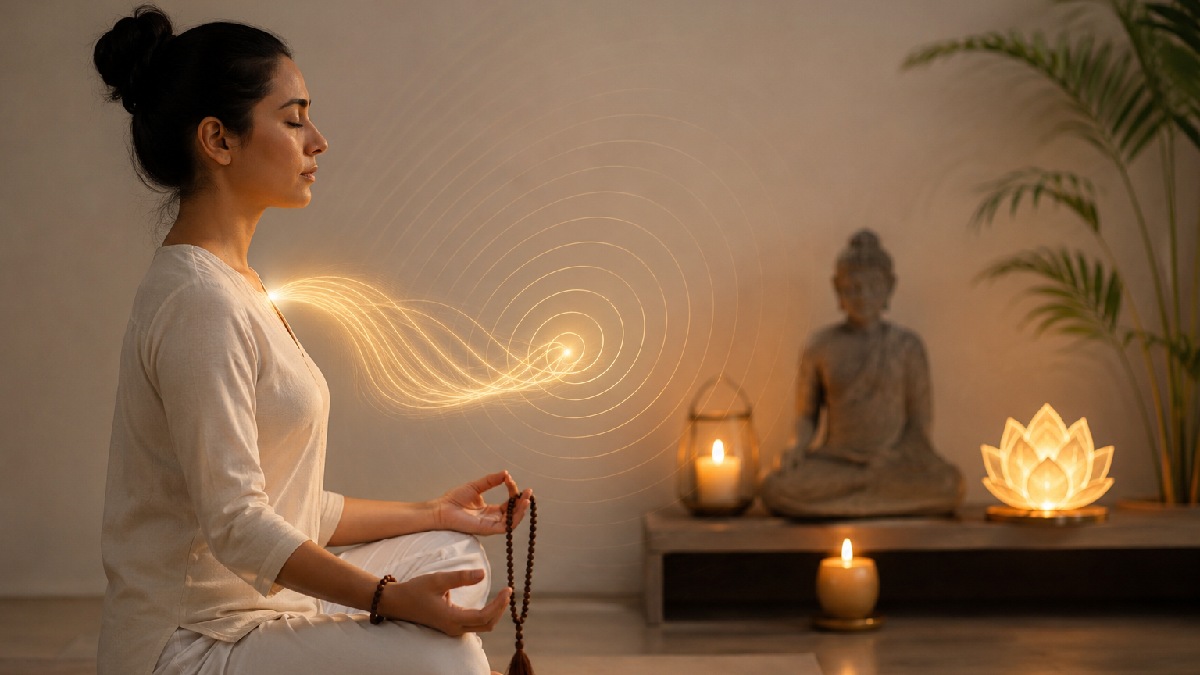
Our spiritual practice of sacred sounds is closely connected to sadhana, the disciplined path to spiritual growth. Words and phrases like Om, Arham, Rhim and Namo Arihantanam are used in many spiritual traditions as a source of meditation and devotion. But their value goes beyond the mere repetition of sound. A mantra practice is only effective if you are aware and focused and have intention with which it is done.
Mechanical repetition may not provide the deeper benefits for practitioners. With the mind distracted while lips repeat the words, the practice can become nothing more than routine. Real sadhana needs attention. The mind needs to stay connected to the mantra, the meaning and the aim of the practice. When thoughts start to wander, the repeated sound can serve as an anchor, helping keep us in this moment.
Related Articles
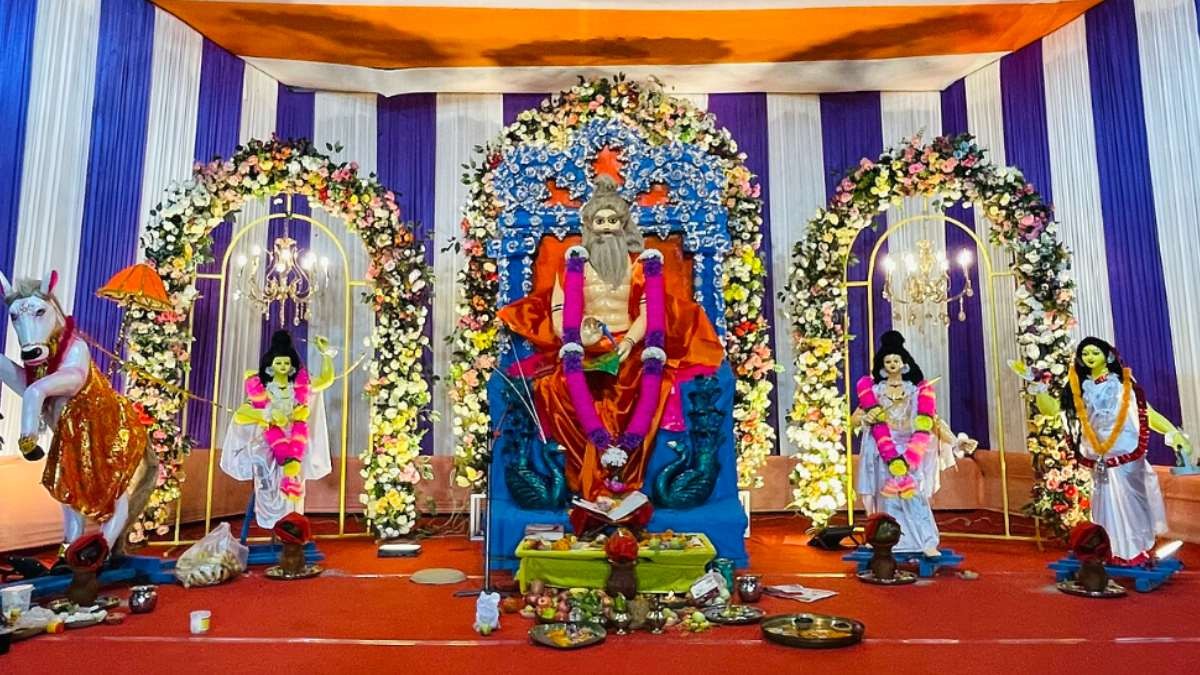

Understanding the meaning of a mantra is also important. Repetition comes more to mind when the practitioner is aware of what the sacred words actually mean. If a mantra is thought of as a sequence of syllables, then a discussion of its meaning will help to connect sound, thought and intention more generally.
Om, for example, is one of the most celebrated sacred sounds in Indian spiritual tradition. It is deeply thought-provoking and has profound philosophical and spiritual meanings and is used widely in meditation. Chanting Om is not necessarily loud, and is more controlled and focused (as a meditation technique). The vibration of chanting is often experienced as calming and centering.
Part of that philosophy is to recognize that “change is an unavoidable part of life.” Nature is ever changing, from the human body to thoughts to emotions. But spiritual beliefs say that we can consciously change our inner being. The ability to do so and to be disciplined, thoughtful and determined is the only way that one can make an impact.
Related Articles

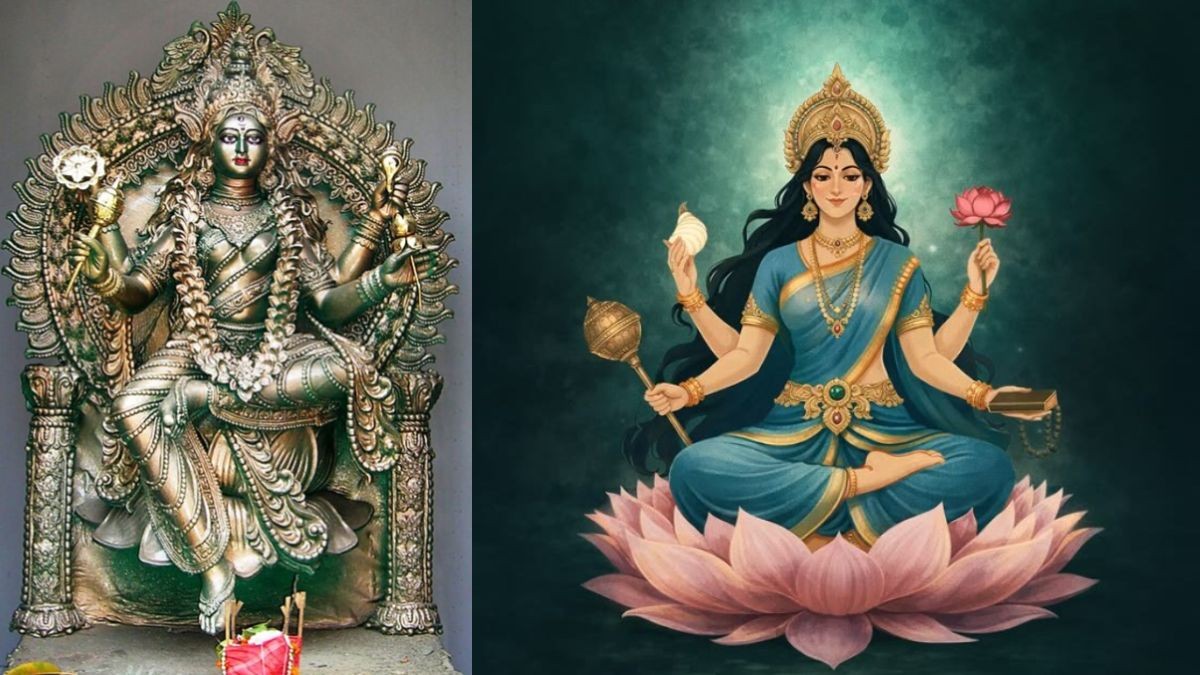
This firm intention is reflected in the concept of sankalpa, or a resolve. A strong sankalpa can provide direction when motivation is weak or circumstances are difficult. Mantra practice can support this resolve by establishing a regular spiritual discipline in which the practitioner keeps returning to a chosen intention.
Japa (the repeated chanting of a sacred word or mantra) is traditionally considered an important method of interacting with prana, the life and activity energy. In Jain philosophy, we can relate prana and the taijasa body to the subtle forces of living things. Thus, the strengthening and refinement of vital energy is a way to develop willpower and spiritual awareness.
Sadhana's ultimate goal is not to say one mantra a few times. Its real purpose is self-realization and awareness development. Mantra practice serves as a bridge between external noise and inner silence for the practitioner to go from distraction to concentration and from restlessness to inner stability.
It is very important for anyone starting a mantra practice to do so regularly and with conviction and sincerity; consistent practice and sincerity is much more important than simply counting the number of repetitions. Look for a mantra that has genuine spiritual meaning for you, know what it means, sit comfortably, and practice with an attentive mind. Make the sound a point of focus rather than treating it as a task to complete.
The sound itself is not enough, but the consciousness, intention and discipline of the person practicing it is. That mantra can be used in conjunction with concentration, understanding and a firm sankalpa to grow inner strength and support the path towards greater self-awareness.


Comments 0