
Vishwakarma Puja 2026 will be celebrated on Thursday, September 17, Kanya Sankranti day, when the Sun enters Virgo. Lord Vishwakarma is worshipped as the divine architect and craftsman. It is a special day for craftsmen, the construction sector and engineers, mechanics, factory workers, architects and those who work with tools and machines.
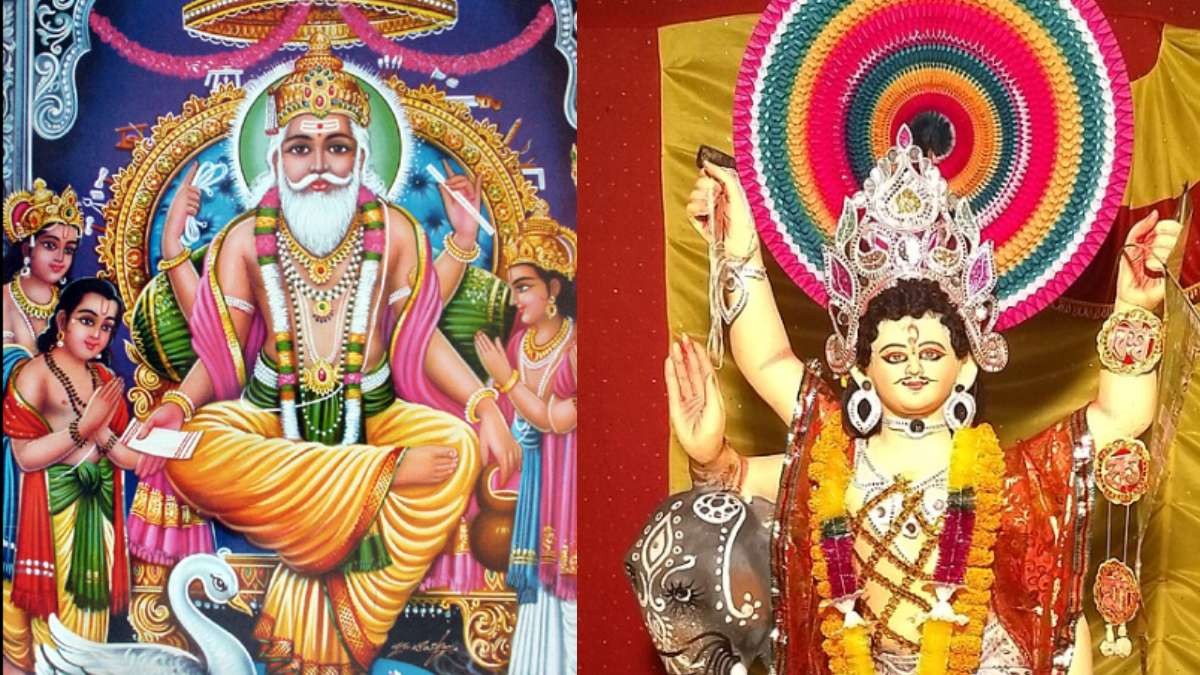
Vishwakarma Puja 2026 Date and Time
Vishwakarma Puja is on September 17, 2026 (in Panchang sources). The Kanya Sankranti moment is listed at approximately 7:58 AM IST in Delhi and the Panchang calculations. One Panchang source has a slightly different calculation on the Sankranti moment and it is one of the reasons that the Panchang timings in the local Panchang are different.
For this reason, people planning workplace ceremonies should check the Panchang applicable to their city.
Related Articles

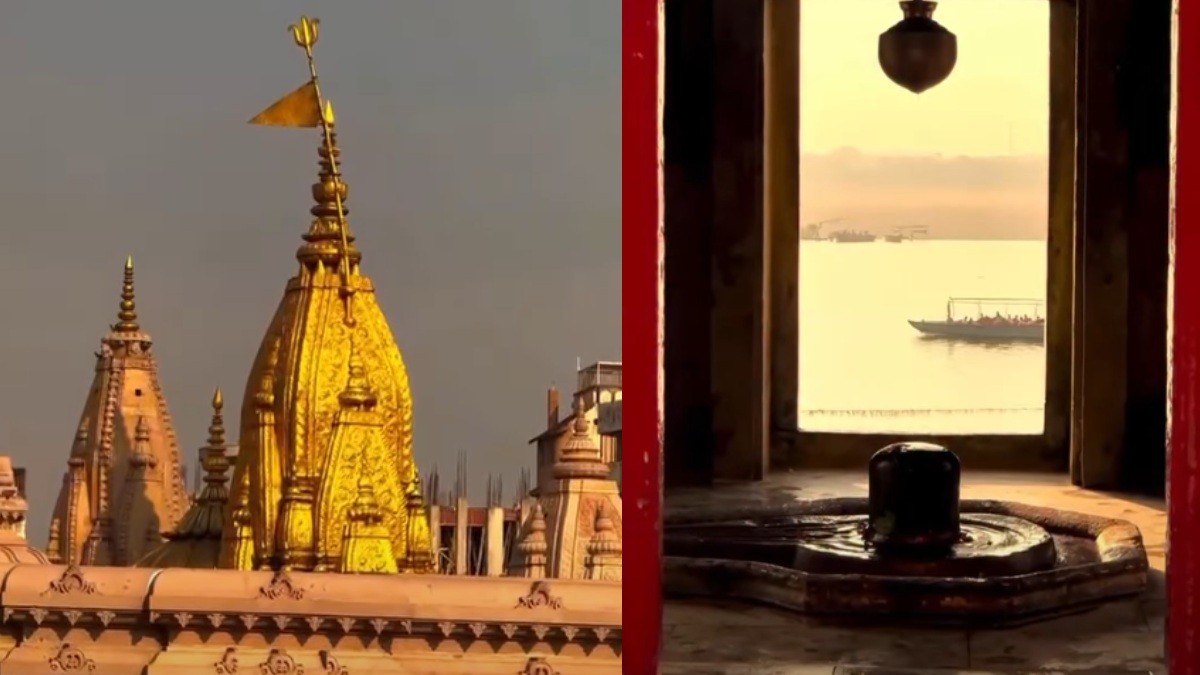
Shubh Muhurat for Vishwakarma Puja
The existing 2026 references have different ritual windows. One Panchang reference lists a Puja window starting around 7:15 AM and lasting into the afternoon, and another calculation gives a period after the Sankranti Puja from 7:36 AM to 9:40 AM IST.
Since auspicious timings can depend on location and the Panchang tradition being followed, devotees should use their local Panchang for the final ceremony timing.
Why is Lord Vishwakarma worshipped?
Lord Vishwakarma is also associated with architecture and craftsmanship, construction and the creation of divine structures. And so Vishwakarma Puja is particularly connected to people who depend on technical knowledge and skill to live.
Related Articles
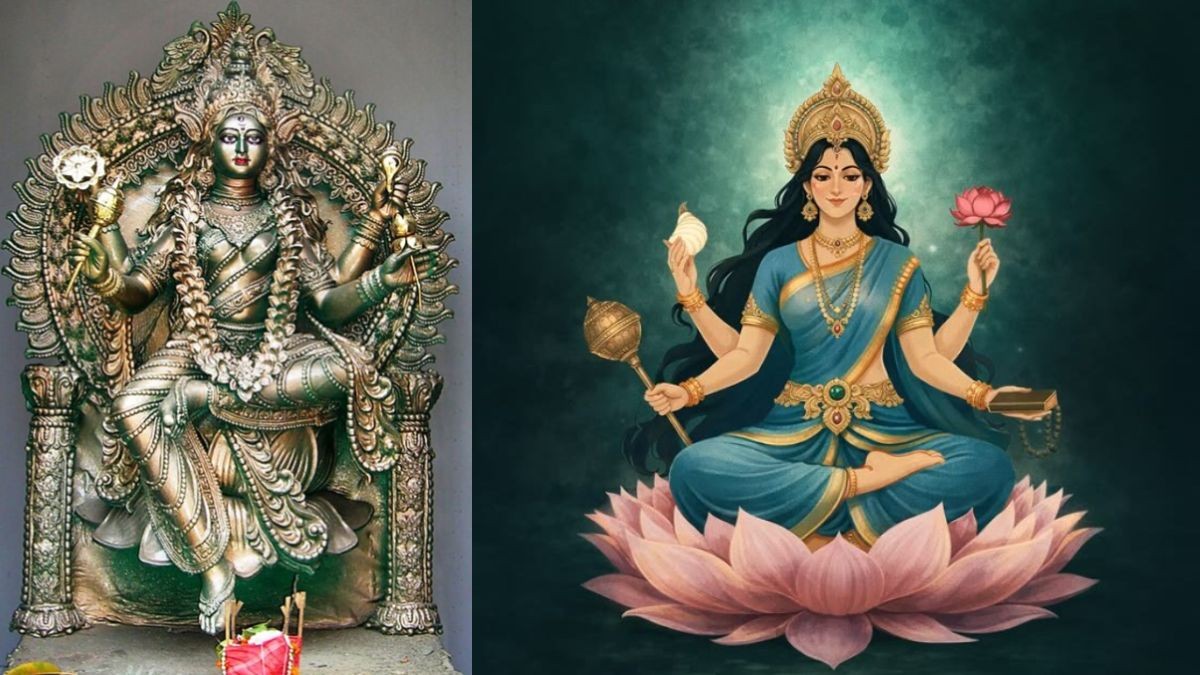
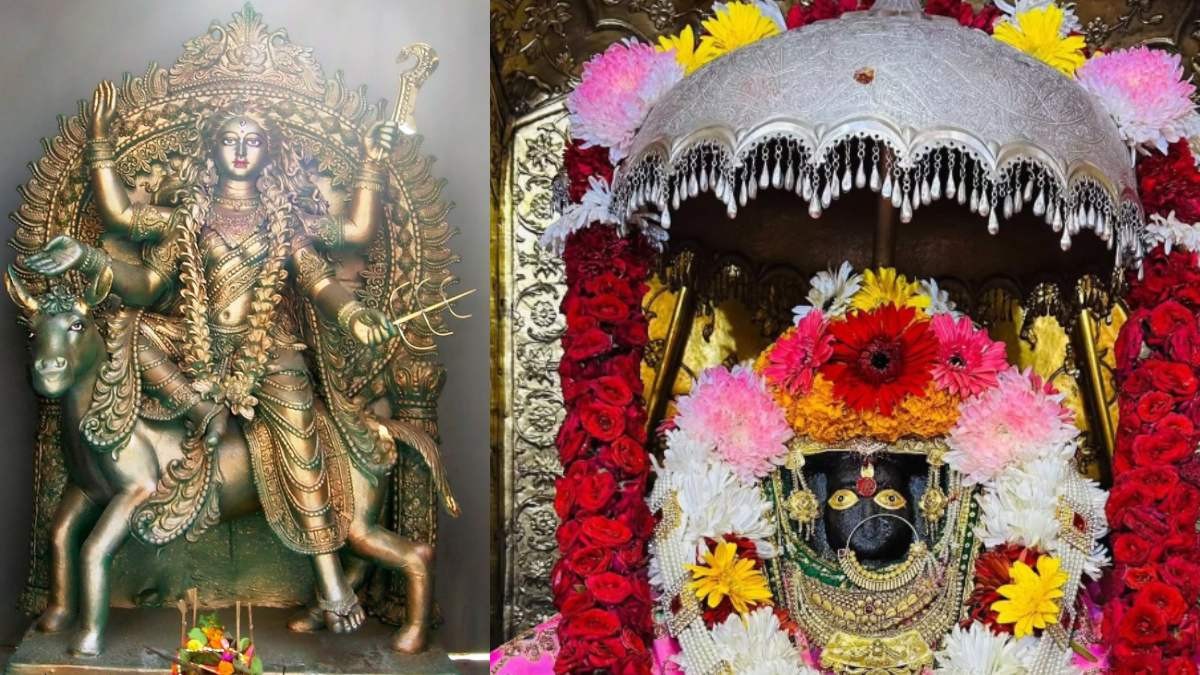
The factories, workshops, construction sites, garages, offices and commercial establishments may organise special prayers on the occasion.
Why are Tools and Machines Worshipped?
Tools are worshipped because they represent skill, labour and livelihood. Equipment is an essential part of daily work for a carpenter, mechanic, engineer, artisan or factory worker.
On Vishwakarma Puja, tools and machinery are generally cleaned, decorated and placed before Lord Vishwakarma for prayers. It is done to signify gratitude for the resources through which people earn their living and produce useful products.
The tradition also gives workplaces an opportunity to focus on responsible use and maintenance of machinery.



Comments 0