
There are teachers everywhere if we are willing to look out beyond the conventional guru. A guru doesn’t have to be a person in the world who is a guru to be a person in front of us who gives advice, or who gives us advice or shares knowledge. And sometimes the most important lessons come from nature, from people we encounter, from what we learn from life, from the hard times in life, and ultimately from simply being here and the universe. If we are paying attention to creation, creation begins to become a huge teacher.
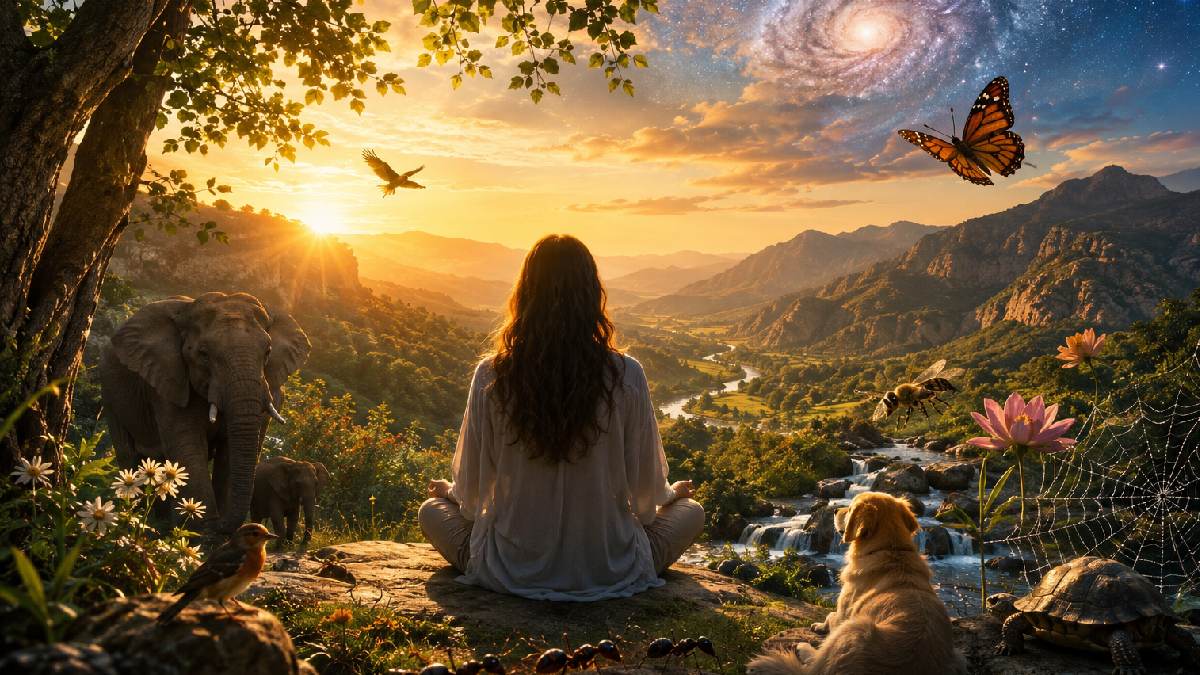
At best, one of the most important sources of knowledge and guidance is a human guru. A guru does more than tell us about the material or spiritual world. They represent in their own life how they guide others by example what they are about and they have the values, discipline and morals they are showing them that they seek to follow. Knowledge can be meaningful if character, compassion and ethical behavior are present. Intelligence without empathy can be exploited; learning without moral discipline can be exploited. A teacher who lives according to the wisdom they spread becomes a living example, as he or she transforms intellectual knowledge into concrete wisdom.
The second type of guru can be found in the creation that we make. The natural world never demands anything in return. The sun rises every day and fills the earth with light and energy that helps sustain life on Earth. There are fruits, grains, vegetables and plants on the earth that provide life. Rivers and streams supply water, sustain ecosystems and have been considered sacred and life-giving to cultures and civilizations. Their existence reminds us of generosity, continuity and service.
Related Articles


Nature itself can be considered a great moral and spiritual teacher. That is why forests and other natural settings are associated with contemplation, meditation and spiritual inquiry. The sages of the Upanishadic tradition often sought wisdom in the quietness of nature. Away from the distractions of everyday life they were able to see things very close and found truths in even the simplest of things.
We can learn from every creature and object in nature, if we listen. Ants show order, cooperation, discipline and teamwork. A blade of grass can teach humility, resilience and stability as it bends with the wind, but only so long as it doesn’t break. Birds show us freedom and joy and flowers are a sign of beauty and impermanence - beauty that doesn’t last forever. The transformation of a butterfly is a powerful reminder that change can lead to an entirely new stage of existence.
Animals can be teachers, too. Dogs are associated with loyalty and love. Elephants can tell us strength, memory and dignity. Bees are dedicated and demonstrate teamwork. Spiders are also great at patience and persistence; they do so all the time and they make their webs over again. Fish adapt to their environment and the tortoise represents retreat and restraint, which really shows us that we have to turn inward when necessary.
Related Articles
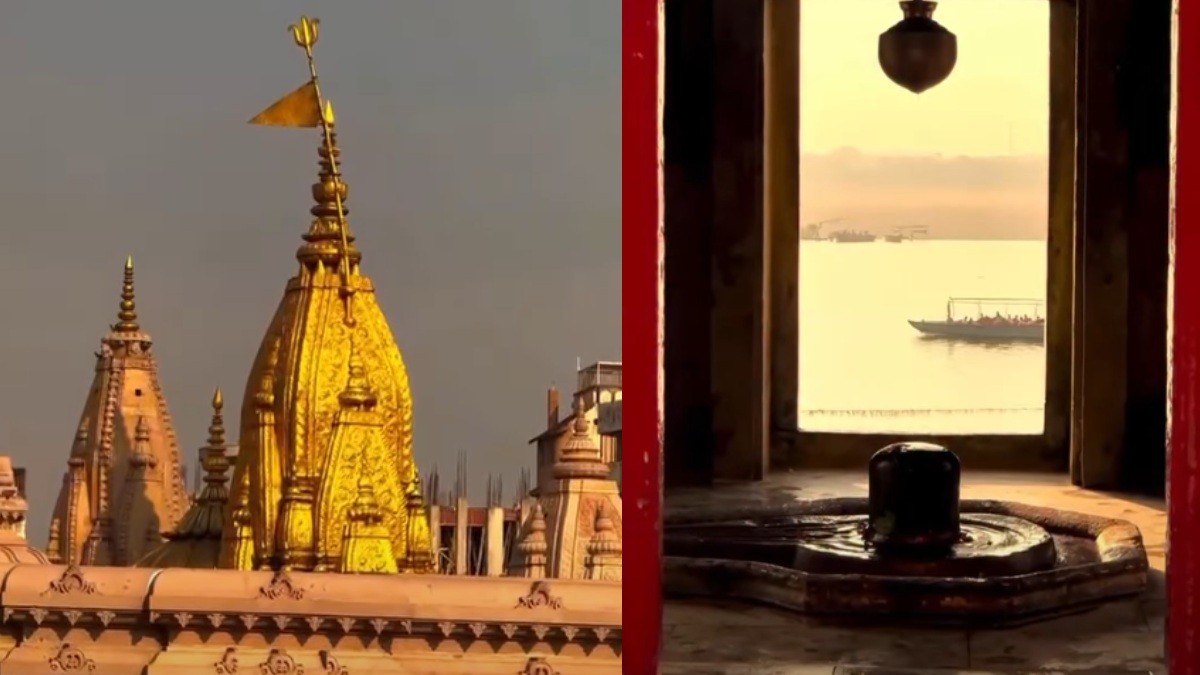
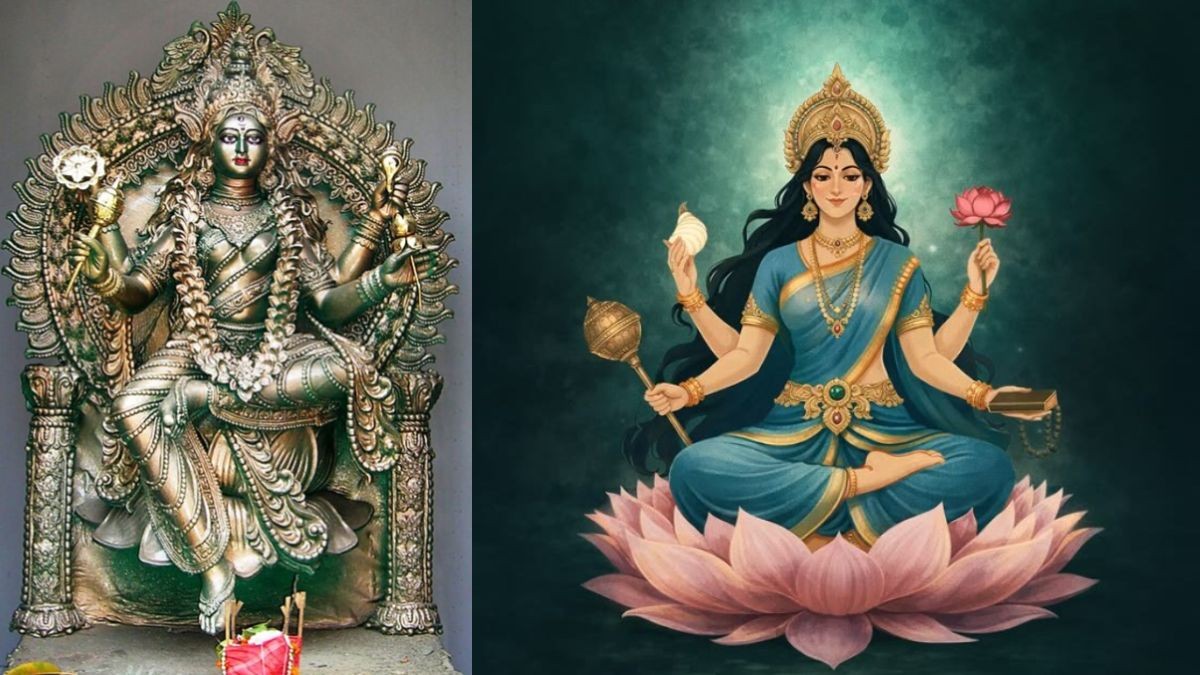
In this way, nature can sometimes teach lessons that a textbook can't. The difference is not that nature is teaching us but in how we are prepared to learn. A closed mind sees only objects. An attentive mind notices relationships. A contemplative mind learns lessons and a wise mind comes to the realization that all forms of life are linked in some way.
More than individual teachers and the natural world, there is the universe itself—the cosmic guru. The universe keeps evolving as matter and existence change. Stars are born and then they go away. Seasons change, the human body ages, relationships are transformed and things change. The principle of impermanence is thus one of the most powerful teachings in the universe that we have.
Knowing impermanence doesn’t mean life is meaningless. It can make us appreciate life more. When we understand that nothing is the same forever, we may not have to be so much concerned about possessions, status, circumstances and even our expectations. If all we do is be in the present and observe people and things, not assume they’re the same, we learn to appreciate and respect it.
If death, the most difficult teacher of all, can teach us how precious life really is, then so much of the time we live is spent in death. Impermanence makes choices and the beauty of our lives more immediate and more beautiful.
And every aspect of creation can become a guru. The teacher might not always stand in front of us and speak. Sometimes the lesson creeps beneath our feet, flies above our heads, grows quietly beside our homes or disappears into a forest. Wisdom is available everywhere, but it comes with humility and awareness.
So perhaps this is why starting the day with gratitude is such an important thing to do. When we wake up in the morning, we can take a moment to recall the forces that make life possible: the sun, sky, earth, water, plants, animals and the whole universe. A sincere pranam to creation is not only a ritual, but it can be an act of humility and gratitude.
When the universe is our guru, everyday life is a classroom. Every sunrise can be a lesson, every creature a reminder and every change a chance to think and reflect, and every moment an invitation for wisdom. All we need to do is open our eyes, quiet our minds and pay attention.


Comments 0