
Lord Krishna's birth is among the most celebrated stories in Hindu tradition. Every year, devotees observe Krishna Janmashtami, a festival commemorating the birth of Krishna, who is revered as an avatar of Lord Vishnu. One of the most distinctive features of the celebration is its timing: devotees traditionally gather and perform prayers at midnight, the hour associated with Krishna's birth.
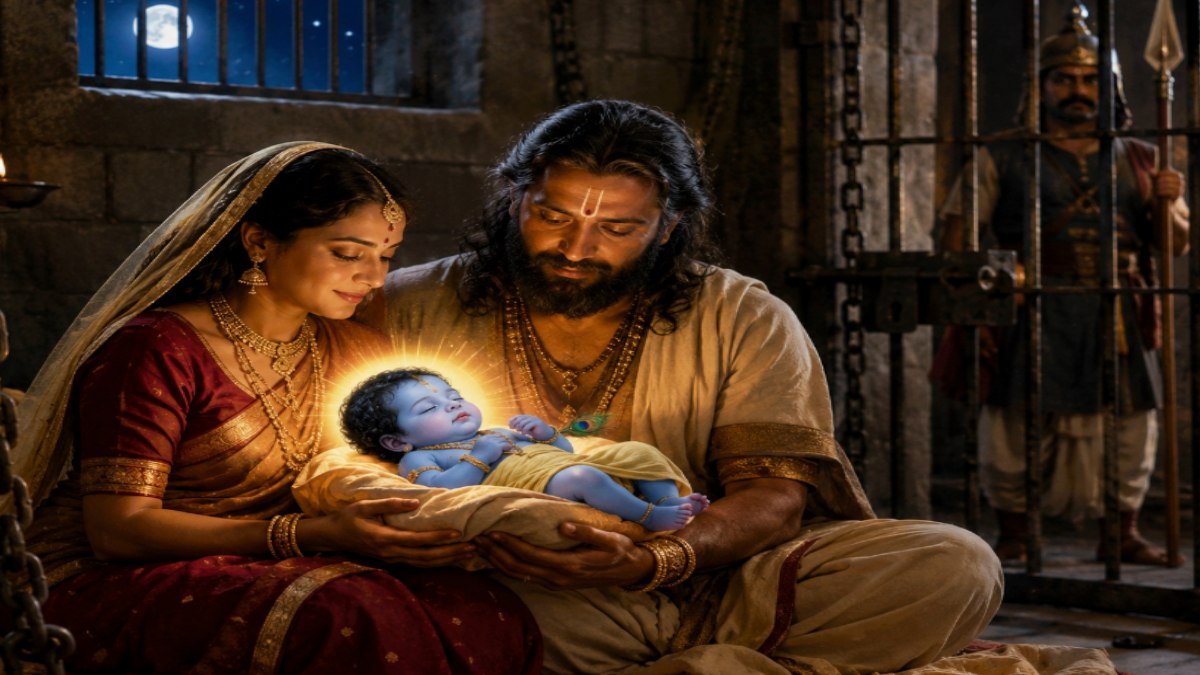
But why is Krishna believed to have been born at midnight,The answer is rooted in the traditional birth narrative as well as the deeper symbolism associated with darkness, light, divine intervention and the triumph of righteousness.
The Story Behind Krishna's Birth
According to Hindu scriptures and traditional accounts, Krishna was born in Mathura to Devaki and Vasudeva. Devaki's brother, the tyrannical King Kamsa, had been warned by a divine prophecy that Devaki's eighth child would become the cause of his downfall.
Related Articles
Fearing the prophecy, Kamsa imprisoned Devaki and Vasudeva. He is traditionally described as having killed their earlier children. When Devaki became pregnant with her eighth child, the couple remained under his watch.
It was in these circumstances that Krishna was born. Traditional accounts describe his birth as extraordinary, accompanied by divine signs and a sense that a greater purpose was unfolding.
Why Midnight
Midnight occupies a special place in the traditional understanding of Krishna's birth. According to widely followed Hindu tradition, Krishna was born at midnight on the eighth day, or Ashtami, of the dark fortnight of the month of Bhadrapada.
Related Articles

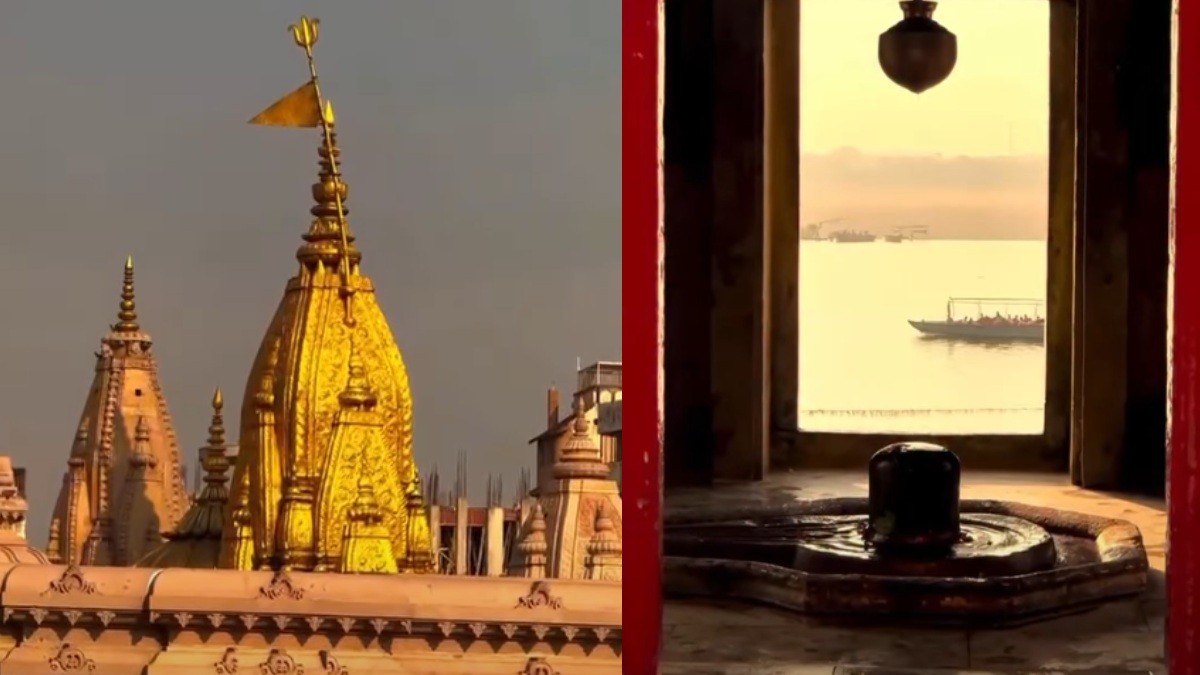
The darkness of midnight carries symbolic significance. In spiritual interpretations, darkness can represent ignorance, fear, injustice and the difficult conditions surrounding humanity. Krishna's arrival in the middle of darkness is therefore understood as a powerful symbol of divine light emerging when it is most needed.
His birth represents hope appearing in a seemingly hopeless situation.
The Symbolism of Light Emerging From Darkness
The midnight birth can be interpreted as more than a detail in a traditional story. It conveys a spiritual message about transformation.
Krishna's birth takes place when Kamsa's rule represents fear and oppression. Yet the arrival of Krishna signals that injustice will not prevail forever.
For devotees, the story illustrates a recurring spiritual principle: difficult circumstances do not necessarily mark the end of hope. Light can emerge even from the darkest moments.
This symbolism is one reason midnight prayers have such an emotional significance during Janmashtami celebrations.
The Divine Journey to Gokul
Traditional accounts say that after Krishna's birth, Vasudeva was instructed to take the newborn child across the Yamuna River to Gokul, where he would be raised by Nanda and Yashoda.
The story describes the prison doors opening and the guards falling into a deep sleep, allowing Vasudeva to leave with the infant Krishna.
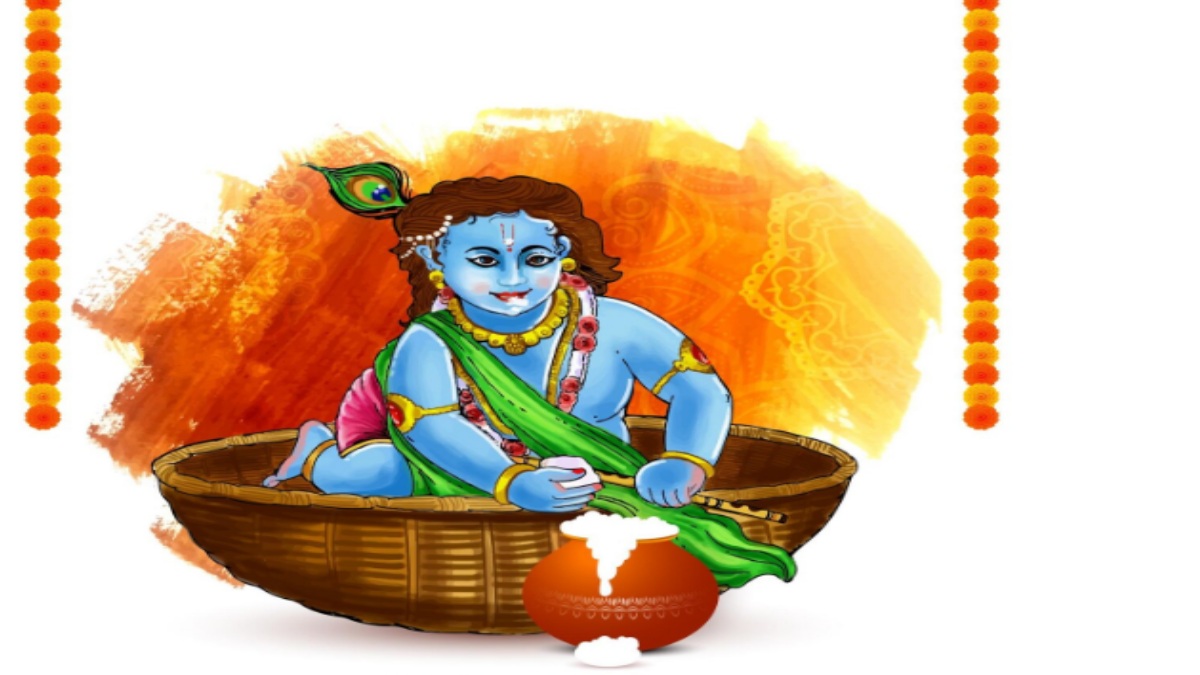
He is traditionally depicted carrying Krishna in a basket while crossing the Yamuna. Despite the dangerous conditions, divine protection is believed to have enabled him to complete the journey.
Krishna was subsequently raised in Gokul and Vrindavan, where numerous stories of his childhood and youth became an important part of Hindu devotional traditions.
Why Devotees Stay Awake Until Midnight
During Janmashtami, devotees often observe a fast and remain awake until midnight. As the traditional birth hour approaches, temples and homes become centres of prayer and devotional singing.
At midnight, devotees celebrate Krishna's arrival with prayers, bells, devotional songs and the ritual bathing and dressing of an infant Krishna idol.
For many worshippers, this moment symbolises welcoming divine consciousness into their lives.
The Deeper Meaning of Krishna's Birth
Krishna's birth story is not only about an event in the distant past. Devotional traditions often interpret it as a message relevant to everyday life.
Krishna later becomes associated with teachings about dharma, duty, devotion, wisdom and detachment, particularly through the Bhagavad Gita. His life and teachings encourage people to act with purpose while remaining committed to righteousness.
The circumstances of his birth reinforce this message. Even when fear and injustice appear powerful, the tradition teaches that righteousness can ultimately overcome oppression.
Janmashtami Beyond the Midnight Celebration
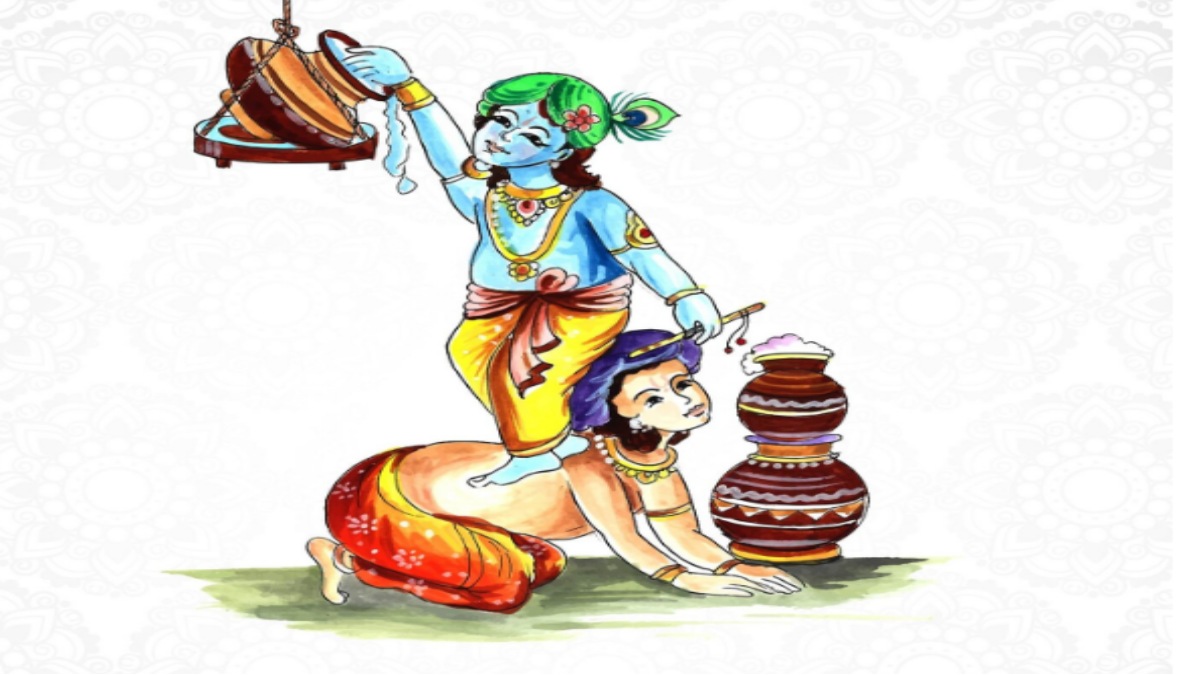
Although midnight is the central moment of many Janmashtami observances, celebrations vary across India and among different Hindu communities. Some traditions include dramatic performances, devotional music, fasting, temple processions and Dahi Handi events associated with Krishna's playful childhood.
In places such as Mathura and Vrindavan, celebrations are especially significant because of their association with Krishna's life and legends.
A Celebration of Hope and Faith
The midnight birth of Krishna has remained meaningful for generations because it combines mythology, devotion and symbolism. A divine child arriving in the middle of the night represents hope appearing during darkness and righteousness emerging amid injustice.
For devotees celebrating Janmashtami, midnight is therefore more than simply a time on the clock. It is a moment to remember the message associated with Krishna's birth: even in the darkest circumstances, hope, faith and dharma can prevail.
Whether observed through fasting, prayer, music, temple rituals or quiet reflection, Krishna Janmashtami invites devotees to celebrate the birth of Krishna while reflecting on the values of compassion, courage, wisdom and righteousness.



Comments 0