
Lord Krishna is one of the most beloved deities in Hindu tradition, and stories of his childhood in Gokul and Vrindavan continue to delight devotees of all ages. Among the many charming stories associated with Bal Krishna, his love for makhan, or freshly churned butter, is especially famous. Krishna is affectionately known as “Makhan Chor,” meaning “the butter thief,” because of the playful stories in which he and his friends would sneak into homes to take butter.
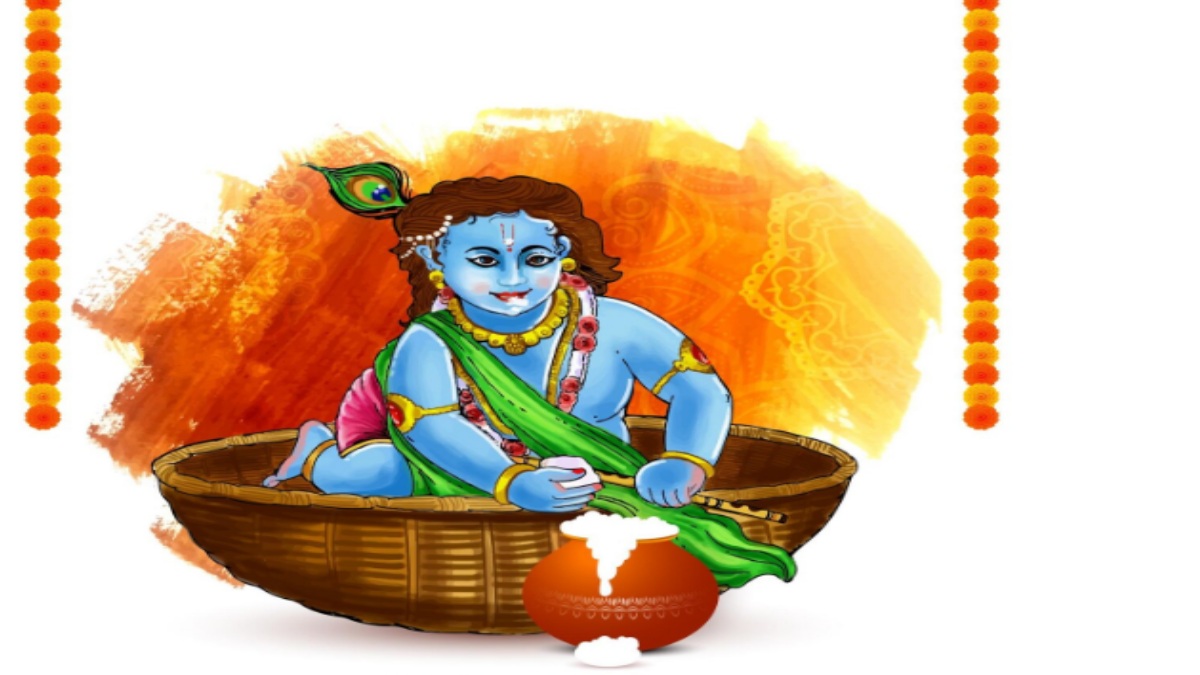
At first glance, these stories may simply appear to be amusing tales about a mischievous child who loved a delicious food. However, in Hindu devotional traditions, Krishna's love for butter carries a much deeper symbolic meaning. The stories combine childhood innocence, divine playfulness, devotion, and spiritual wisdom.
The Childhood Butter Stories of Krishna
According to popular Krishna traditions, young Krishna grew up in the pastoral community of Gokul under the loving care of Yashoda and Nanda. The women of the village, known as the gopis, traditionally made butter by churning curd. Fresh butter was considered a precious and nourishing food.
Related Articles
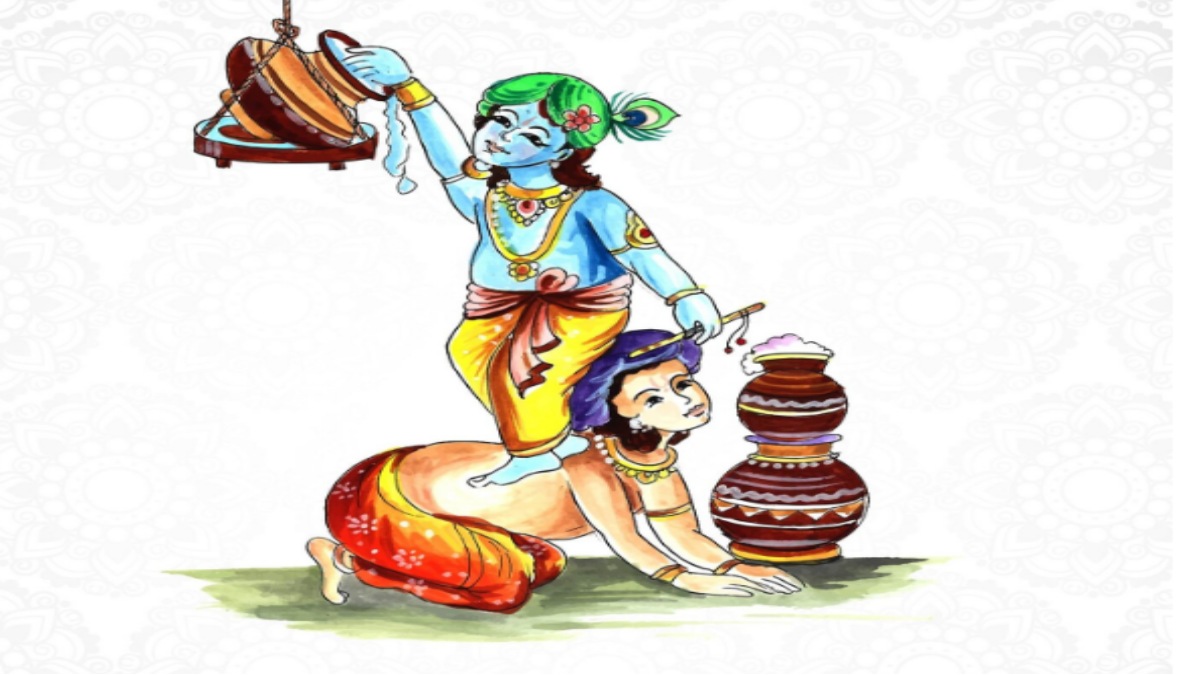
Krishna was said to be particularly fond of it. His playful nature often led him to enter the homes of the gopis with his friends. Sometimes he would reach pots of butter himself, while at other times Krishna and his companions would form human pyramids to reach butter stored high above the ground.
The gopis would complain to Yashoda about Krishna's mischief, but their complaints were often filled with affection. Rather than creating anger, Krishna's playful behavior strengthened the loving relationship between the villagers and the divine child.
These stories became an important part of Krishna Leela, the devotional tradition describing the divine activities and playful adventures of Krishna.
Related Articles


Why Was Butter So Special
Butter was an important part of traditional rural life in ancient India. Milk, curd, ghee and butter were valuable foods, particularly in communities where cattle played an important economic and cultural role.
But in devotional interpretations, butter represents more than food.
Butter is produced by churning curd. Symbolically, devotees often compare this process with the spiritual journey of a human being. Just as churning separates butter from curd, spiritual practice can help a person discover the purity and goodness hidden within the heart.
The butter therefore becomes a symbol of the pure heart.
According to this interpretation, Krishna does not merely “steal butter.” He steals the hearts of devotees who approach him with sincere love and devotion.
Krishna as “Makhan Chor”
The name Makhan Chor is often used affectionately by Krishna devotees. Although “chor” means thief, the expression is not meant as a criticism. It reflects Krishna's playful divine personality.
Devotional poetry and songs frequently describe Krishna as a thief who steals butter as well as the hearts of his devotees. The idea suggests that divine love can enter a person's life unexpectedly and transform the heart.
The butter-stealing stories also demonstrate Krishna's close relationship with ordinary people. Rather than being portrayed only as a distant divine figure, young Krishna appears as a playful child who interacts intimately with his family, friends and neighbors.
The Deeper Spiritual Symbolism
One of the most beautiful interpretations of Krishna's butter stories is that butter represents the essence of devotion.
Milk can be transformed into curd, and curd can then be churned to produce butter. Similarly, a person's experiences, discipline and spiritual practices can gradually refine the mind and heart.
The process requires patience and effort. In the same way, developing qualities such as compassion, humility, kindness and devotion requires inner work.
When Krishna “steals” the butter, devotees may understand this as Krishna accepting the purest essence of their love.
The story therefore transforms a simple childhood prank into a spiritual metaphor: when the heart becomes pure and filled with devotion, it becomes worthy of divine love.
Krishna's Love for Simplicity
Another important aspect of these stories is their simplicity. Krishna's favorite treat was not portrayed as an extravagant royal dish. It was a humble food prepared in village homes.
This reflects a broader theme in Hindu devotional traditions: sincere devotion can be more important than material wealth or elaborate offerings. What matters is the love and intention with which something is offered.
The stories of Krishna and makhan remind devotees that spiritual joy can be found in simple experiences, relationships and acts of love.
Makhan and Janmashtami Celebrations
Krishna's association with butter remains particularly visible during Janmashtami, the festival celebrating his birth. In many parts of India, devotees prepare traditional sweets and dairy-based foods as offerings to Krishna.
The famous Dahi Handi celebrations, especially associated with Maharashtra, also draw inspiration from the stories of young Krishna and his friends breaking pots of curd or butter. Groups of participants form human pyramids to reach and break a pot suspended high above the ground.
What began as a story of Krishna's childhood mischief has become a vibrant cultural tradition combining celebration, teamwork and devotion.
A Story of Divine Love and Joy
Krishna's butter stories remain popular because they portray divinity through joy, humor and affection. Young Krishna is mischievous, curious and playful, making him especially relatable to children and families.
At the same time, the stories carry spiritual lessons about purity, love and devotion. The butter can be understood as a metaphor for the refined essence of the human heart, while Krishna's act of stealing it represents the divine drawing close to those who offer genuine love.
For devotees, Krishna's love for makhan is therefore much more than a story about a child and his favorite food. It is a celebration of innocence, devotion, simplicity and divine affection.
The next time the image of Bal Krishna holding a ball of butter appears during Janmashtami or another devotional celebration, the familiar scene can be viewed on two levels: as the delightful mischief of the beloved Makhan Chor and as a reminder that a heart purified by love and devotion is the greatest offering to the divine.



Comments 0