
For millions of devotees, Lord Murugan is more than a Hindu deity - he is a divine presence. His presence is so great and so divine that he can live in their hearts. Tamil Kadavul is Lord Murugan's name in Tamil Nadu's spiritual life. His name is said in prayers, his temples are visited by lakhs of people, and his divine stories are passed on to all generations.
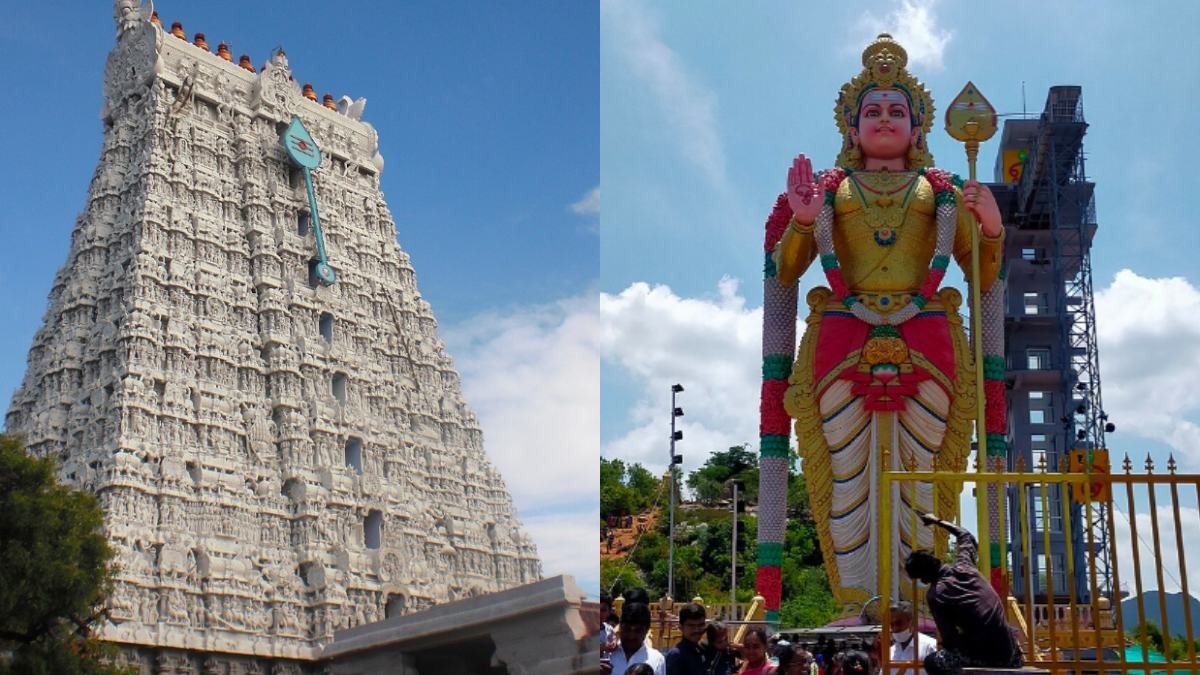
Many Tamil families worship Murugan as a way to seek divine protection, inner strength, wisdom, and peace. The link between Murugan and Tamil people is rooted deep down in the years of respect for people’s ancient traditions, so much so that the divine walks in the path of those who are willing to seek it out.
1. Why Lord Murugan Is Called Tamil Kadavul
Lord Murugan is beloved as Tamil Kadavul, or the God of the Tamils, as he has so much to do with Tamil literature, Tamil culture, and Tamil traditions.
Related Articles
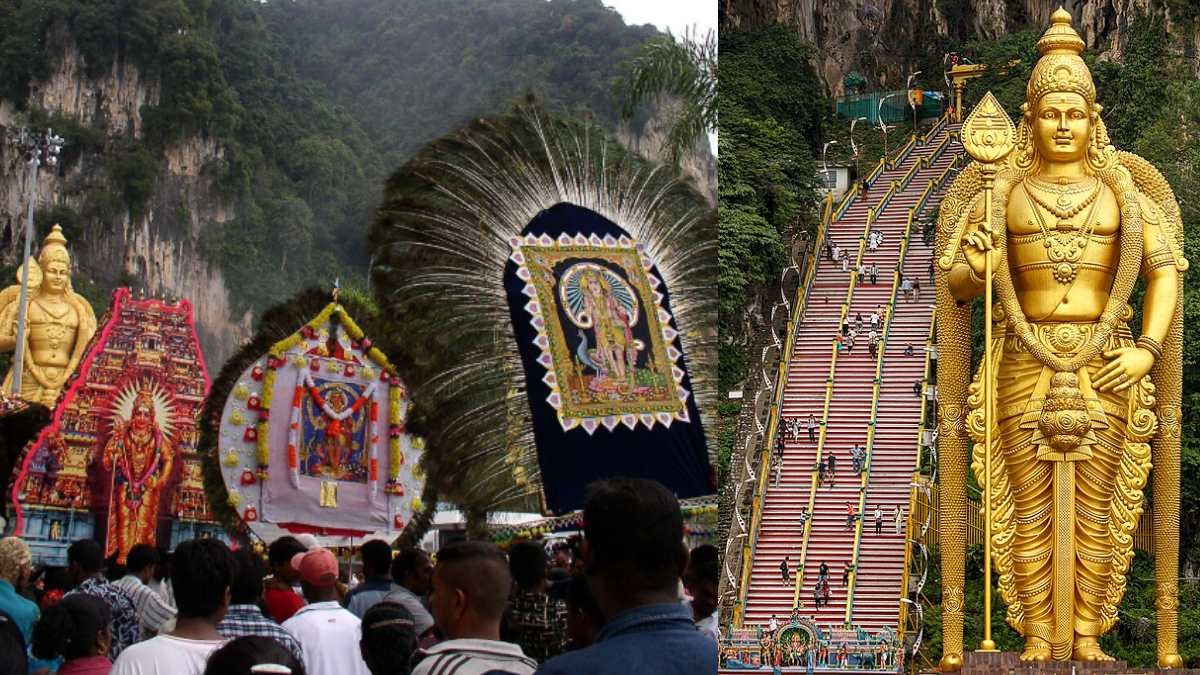

In ancient Tamil literature, Murugan is associated with Kurinji, or the mountain landscape that is considered sacred in classical Tamil tradition. Mountains, forests, and natural surroundings were to be his worship areas.
Murugan is to devotees a divine link that goes beyond rituals. His presence in Tamil hymns, folk songs, and temple traditions reminds people of their spiritual roots. His name is what they remember from family prayers, childhood visits to temples, and the prayers of parents and grandparents.
Although he is associated with Tamil identity, Lord Murugan is worshipped by devotees of many languages and cultures.
Related Articles
2. The Divine Meaning of Lord Murugan
Lord Murugan is worshipped as the embodiment of wisdom, courage, youthful energy, and divine grace. His radiant form represents the light that leads the soul away from ignorance and towards spiritual understanding.
His sacred weapon, the Vel, is especially important to devotees. Traditionally associated with the goddess Parvati's divine power, the Vel is known as the tool to fight ignorance, fear, and negative tendencies within oneself.
When devotees pray to Murugan, they might ask for strength whenever they are in a difficult situation, clarity when they have to make decisions, and the courage to follow the path of righteousness.
His spiritual message calls upon people to face external obstacles as well as internal ones (anger, pride, jealousy, and fear).
3. The Six Sacred Abodes: A Journey Towards the Divine
Tamil Nadu is home to the six sacred abodes of Lord Murugan, collectively known as the Arupadai Veedu: Tirupparankundram, Tiruchendur, Palani, Swamimalai, Tiruttani, and Pazhamudircholai.
Each sacred place has its own spiritual history and traditions. For many pilgrims, visiting these temples is more than a trip across the land. It is an opportunity to surrender personal worries, practice humility, and deepen their relationship with the divine.
At Palani, the story of Murugan choosing a life of renunciation is remembered as a lesson in detachment and spiritual wisdom. At Tiruchendur, his victory over Surapadman represents the triumph of righteousness over evil.
And the pilgrimage-goers often return from these pilgrimages with renewed faith and inner peace.
4. Thaipusam and Skanda Sashti: Faith through surrender.
Those festivals devoted to Lord Murugan show the devotion of his followers. In Thaipusam, many devotees go on pilgrimage, carry kavadi, and pray as a sign of gratitude, faith, and surrender.
For those who practice these things, the physical labor can become a form of prayer and self-discipline. It might be as though the journey is an offering from the divine to the suffering human heart and soul, and, so to speak, a place where one can cry out in the name of the Lord.
Skanda Sashti commemorates Murugan’s victory over Surapadman. Spiritually, this story is often understood as a reminder that goodness, courage, and divine wisdom can overcome darkness.
5. Finding Murugan Within the Heart
The deepest form of devotion is not just a visit to a temple or offering flowers. For many believers, it also means practicing compassion, speaking truthfully, helping others, and living with humility.
Chanting Murugan’s name, meditating quietly, or singing devotional hymns can bring moments of reflection and peace. The traditional prayer of the followers “Om Saravana Bhava” is cherished by most of them as an expression of respect and surrender.
Lord Murugan’s spiritual message is that wisdom should be sought, courage is required, and one must remember the divine with a genuine heart.
The conclusion
Lord Murugan’s relationship with Tamil Nadu is rooted in ancient spiritual traditions, sacred temples, devotional poetry, and generations of faith. As Tamil Kadavul, he is associated with a cultural identity and divine devotion.
Murugan is the guide for his followers to courage, wisdom, and humility. He can be found in his holy halls and in their humble homes; a gentle prayer is the way to restore him to the way he once was as a devotee and take his spiritual teachings with them into everyday life.



Comments 0