
A good skincare routine does not have to come with an expensive price tag. With countless premium beauty products available today, it can be tempting to believe that healthier, smoother and brighter skin requires a large investment. However, many drugstore skincare products contain well-researched ingredients that can support the skin without stretching your budget. The key is not having a bathroom shelf packed with products, but creating a simple routine that addresses your skin's basic needs consistently.
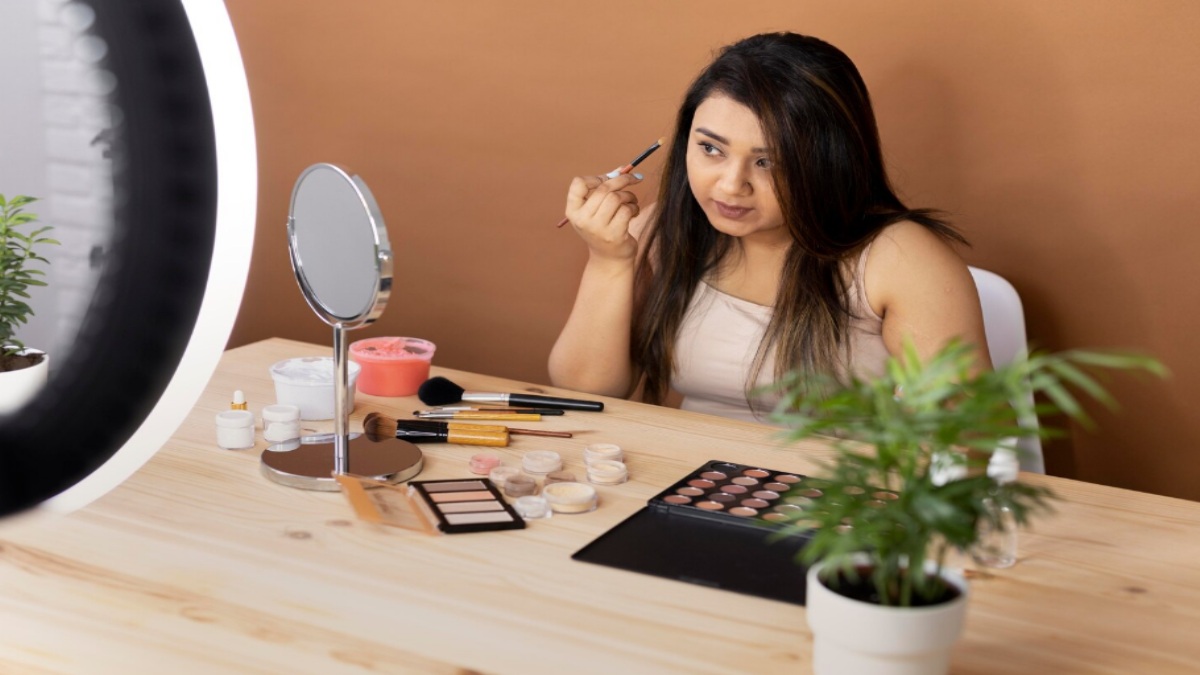
An affordable skincare routine should ideally focus on four essentials: cleansing, moisturizing, protecting the skin from the sun and using targeted ingredients when necessary. Once these basics are established, additional products can be introduced depending on individual concerns such as acne, dryness, uneven skin tone or signs of ageing.
Start With a Gentle Cleanser
Cleansing is the first step in both morning and evening skincare routines. A gentle cleanser can remove excess oil, sweat, dirt, makeup and sunscreen without unnecessarily stripping the skin's natural barrier. Look for a cleanser suited to your skin type rather than choosing a product simply because it is marketed as powerful or intensive.
Related Articles


People with dry or sensitive skin may prefer creamy or hydrating cleansers, while those with oily or combination skin may feel more comfortable using a lightweight gel cleanser. If your skin feels tight, uncomfortable or excessively dry after washing, the cleanser may be too harsh for your skin.
Use a Simple Moisturizer
Moisturizer is another essential that should not be skipped, even if your skin is oily. A suitable moisturizer helps support the skin barrier and reduce moisture loss. Affordable drugstore moisturizers are available in creams, lotions and lightweight gels, making it relatively easy to find an option that matches your skin type.
Ingredients such as glycerin and ceramides can be useful for supporting hydration and the skin barrier. Those with very dry skin may benefit from richer creams, while oily or acne-prone skin may prefer lightweight, non-comedogenic formulations.
Related Articles


Make Sunscreen Non-Negotiable
If there is one product worth prioritizing in a daytime skincare routine, it is sunscreen. Regular exposure to ultraviolet radiation can contribute to premature skin ageing, pigmentation and other forms of skin damage. A broad-spectrum sunscreen with SPF 30 or higher is generally recommended for everyday use.
Sunscreen should be applied as the final step of your morning skincare routine and reapplied when appropriate, particularly during prolonged outdoor exposure, sweating or swimming. Choosing an affordable sunscreen that you enjoy wearing consistently is often more useful than purchasing an expensive formula that you avoid because it feels uncomfortable.
Add One Targeted Ingredient
Once your basic routine is established, consider adding a targeted treatment based on your specific skin concern. There is no need to introduce several active ingredients at once. Doing so can make it difficult to determine what is helping or irritating your skin.
For oily or acne-prone skin, salicylic acid can be useful for managing clogged pores. For uneven-looking skin tone, products containing ingredients such as niacinamide or vitamin C may be considered. Retinoids are another evidence-based category often used for acne and signs of skin ageing, although they can cause irritation and should be introduced gradually.
If you have sensitive skin, start slowly and consider patch testing new products. More active ingredients do not automatically mean better results.
A Budget-Friendly Morning Routine
A simple morning routine can consist of a gentle cleanser, moisturizer and sunscreen. If you want to use a treatment product, it can be placed between cleansing and moisturizing, depending on the product's directions.
Keeping the morning routine short can also make it easier to follow every day. Consistency generally matters more than having a complicated sequence of products.
A Practical Night Routine
At night, begin by removing makeup and sunscreen before cleansing. Follow with your chosen treatment product and finish with moisturizer. If your skin is dry, you may need a richer moisturizer in the evening.
Those who use prescription treatments or stronger active ingredients should follow professional advice regarding the appropriate order and frequency of use.
Avoid Unnecessary Spending
One of the biggest advantages of a drugstore routine is that it encourages a focus on essentials. You do not necessarily need multiple toners, exfoliants, face oils, masks and specialized serums to maintain healthy-looking skin.
Instead, invest in products that serve a clear purpose. Replacing products because of attractive packaging or social media trends can quickly turn an affordable routine into an expensive one. Give a product enough time to work, provided it is not causing irritation, and avoid changing your entire routine every few weeks.
It is also important to remember that skincare results take time. Some products may produce noticeable improvements relatively quickly, while concerns such as pigmentation, acne and fine lines can require longer-term management.
Ultimately, an effective drugstore skincare routine is built around simplicity, consistency and suitable ingredients rather than price. A gentle cleanser, dependable moisturizer and broad-spectrum sunscreen can form the foundation, while carefully selected treatments can address individual concerns. By focusing on what your skin actually needs, you can create a practical routine that supports healthy-looking skin while keeping your beauty budget under control.




Comments 0