
Beauty has always been influenced by culture, fashion, media and social expectations. While trends naturally change over time, some beauty standards have remained powerful enough to influence how people see themselves and others. From unrealistic body ideals to pressure to look younger, these expectations can make beauty feel like a constant competition.
Today, more people are questioning traditional definitions of attractiveness and recognizing that beauty does not need to fit one particular shape, size, age, skin tone or appearance. Here are some outdated beauty standards worth leaving behind.
The Idea That One Body Type Is Ideal
For years, popular culture has promoted a narrow definition of the “perfect” body. Depending on the decade, the preferred ideal may have changed from extremely thin to highly toned or dramatically curvy.
Related Articles
The problem is not having a particular body type; it is suggesting that one shape is inherently better than all others.
Bodies naturally come in different sizes and proportions. Genetics, age, lifestyle and health all influence appearance. Instead of chasing a universal body ideal, beauty culture can focus more on feeling strong, healthy and comfortable in your own body.
The Pressure to Have Perfect Skin
Social media filters and heavily edited photographs have made flawless skin appear normal. Pores, acne marks, scars, pigmentation, wrinkles and other natural characteristics may be hidden or digitally altered.
Related Articles
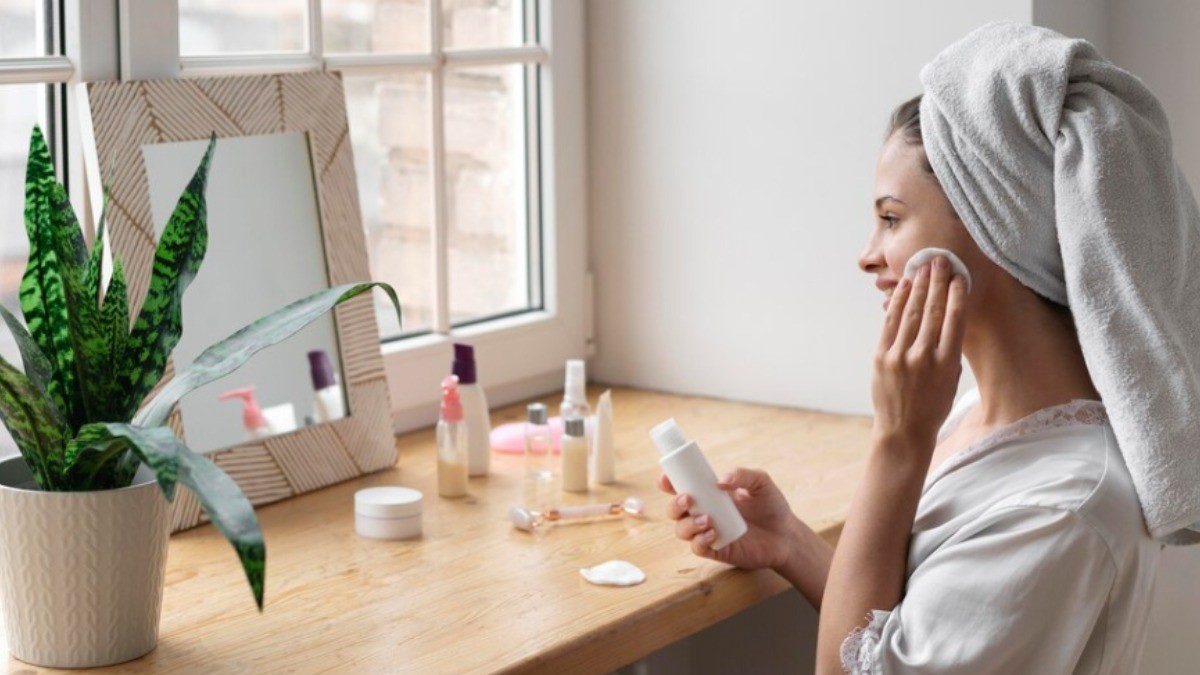
Healthy skin does not necessarily mean perfectly smooth or completely blemish-free skin.
Skincare should be about caring for your skin rather than constantly trying to eliminate every perceived imperfection. Real skin has texture, and accepting that can reduce unnecessary pressure.
Fear of Ageing
Another beauty standard worth leaving behind is the belief that looking young is the ultimate goal.
Ageing is a natural part of life, yet the beauty industry has often marketed products around the idea that wrinkles and grey hair must be hidden at all costs.
There is nothing wrong with using skincare, makeup or hair colour if they make you feel confident. The problem begins when people feel that they must look younger to remain attractive or valuable.
Beauty can exist at every age.
The Expectation of Hairlessness
Women in particular have often been expected to remove visible body hair from almost every part of their bodies. Shaving, waxing and other forms of hair removal can be personal choices, but they should not be treated as requirements for looking clean or attractive.
Body hair is normal. People should be able to decide whether they want to remove it based on comfort and personal preference rather than social pressure.
Perfectly Shaped Features
Beauty trends have also promoted specific facial features as desirable, from a particular nose shape to fuller lips, sharp jawlines or highly defined cheekbones.
Cosmetic procedures can be valid personal choices, but constantly suggesting that everyone should alter their natural features can create unnecessary dissatisfaction.
Individual facial features are part of what makes a person recognizable and unique.
The “No-Makeup Makeup” Contradiction
The beauty industry has sometimes created another confusing expectation: looking naturally beautiful while using extensive products to achieve that appearance.
There is nothing wrong with makeup. However, people should not feel pressured to spend significant time and money trying to create the illusion that they naturally look “effortless.”
Makeup should be an option for self-expression rather than a requirement for confidence.
The Pressure to Follow Every Beauty Trend
Beauty trends can be fun, but constantly following them can become exhausting and expensive. A product or look that becomes popular online may not suit everyone.
Personal style does not need to change every time social media introduces a new trend.
Choosing hairstyles, clothing, makeup and skincare based on personal preferences can be far more rewarding than trying to keep up with every viral trend.
Comparing Yourself With Edited Images
Perhaps one of the most damaging modern beauty standards comes from comparing real life with carefully edited online content.
Lighting, angles, filters, makeup, posing and digital retouching can dramatically change an image. When people compare their everyday appearance with professionally produced photographs, they may develop unrealistic expectations.
Remembering that online images are often curated can help create a healthier relationship with social media.
Beauty Must Be Inclusive
Beauty should not be restricted to one skin tone, hair texture, age group, gender expression or cultural appearance.
The growing visibility of diverse models and creators is helping challenge narrow beauty ideals. Representation matters because people deserve to see themselves reflected in fashion, advertising, entertainment and beauty campaigns.
A broader definition of beauty allows individuality rather than demanding conformity.
Choosing Self-Acceptance Over Perfection
Leaving outdated beauty standards behind does not mean giving up on personal grooming or self-care. It means changing the motivation behind those choices.
You can enjoy makeup without believing you need it. You can follow skincare routines without hating your skin. You can exercise without trying to achieve a specific body shape. You can colour your hair without believing grey hair is unattractive.
The goal is to make beauty a form of expression and care rather than a measure of worth.
Beauty standards will continue to evolve, but we do not have to accept every expectation placed on us. The idea that everyone should have the same body, flawless skin, youthful appearance, hairless body or perfectly symmetrical features is increasingly being challenged.
True beauty can include individuality, personality, confidence and authenticity. By leaving unrealistic standards behind, we can create a beauty culture that celebrates people as they are rather than constantly telling them what they should become.
Beauty does not need to be perfect to be meaningful. Sometimes, the most powerful beauty trend is simply being comfortable in your own skin.


Comments 0