
Dry hair is rough, dull and difficult to maintain. It’s more prone to frizz, tangling, split ends and breakage. Frequent heat styling, chemical treatments, sun exposure, harsh shampoos and overwashing can all cause moisture loss. Adding the right oil will help to improve softness, shine and manageability in your hair care routine.
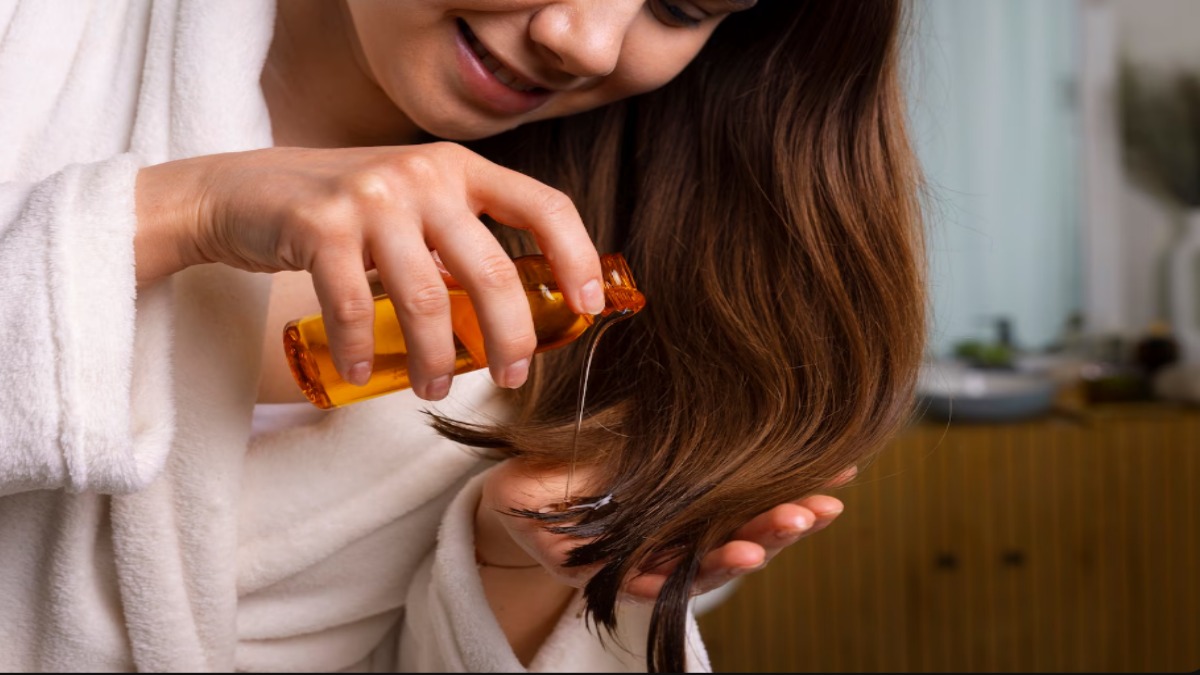
Hair oils do not permanently repair severely damaged strands, but they can help reduce friction, improve lubrication and create a smoother feel. The best choice depends on your hair texture, scalp condition and how dry or damaged your hair is.
1. Coconut Oil
Coconut oil is one of the most popular oils for dry hair. It has fatty acids that can be used to connect with the hair shaft, and so may decrease protein loss if it’s used before washing.
Related Articles


For dry or coarse hair, put a small amount of coconut oil on the mid-lengths and ends of hair before shampooing. Leave it on for a good time before washing thoroughly. People with fine or oily hair may prefer less oil as it can make hair limp or greasy if they use more.
2. Argan Oil
Often called "liquid gold", argan oil is a lightweight option that can help give dry hair a shinier look. It contains fatty acids and vitamin E and is very useful as a finishing oil.
Apply a few drops to damp or dry hair, concentrating on the lengths and ends. Don't apply too much, especially if your hair is fine.
Related Articles
3. Jojoba Oil
Jojoba oil has a lightweight texture and is used in hair care products. It can help coat the hair and reduce the feeling of dryness without being as heavy as some thicker oils.
It is quite useful for people who want softness and shine but dislike greasy oils.
4. Almond Oil
Sweet almond oil is rich in fatty acids and can help dry hair feel softer and more manageable. It can be used as a pre-shampoo treatment or as part of a hair mask.
As individual sensitivities vary, perform a patch test before using a new oil on the skin or scalp.
5. Olive Oil
Olive oil is a heavier oil that can work well for thick, coarse or very dry hair. Its emollient properties can help smooth the hair surface and improve shine.
A small amount is generally enough. If too much oil is left on the hair it can make washing difficult and may result in buildup.
6. Avocado Oil
Avocado oil is another option for dry hair and contains fatty acids and other nutrients. Its relatively rich texture can make it suitable for coarse or dehydrated strands.
It can be used sparingly as a pre-shampoo treatment or added to a homemade hair mask.
How to Oil Dry Hair Correctly
More oil does not necessarily mean more nourishment. Start with a small amount and distribute it evenly through the mid-lengths and ends. If you have a dry scalp, you may gently massage a small amount onto the scalp, but avoid aggressive rubbing, which can cause irritation or breakage.
For a pre-shampoo treatment, leave the oil on for a reasonable amount of time and then wash with a gentle shampoo. You do not need to leave oil on overnight unless it suits your hair and scalp and does not cause irritation or buildup.
Another option is using a tiny amount of lightweight oil after washing. This can help control frizz and add shine, particularly to the ends.
Which Hair Oil Should You Choose
The ideal oil depends on your hair type. Coconut or olive oil may suit thicker, coarse hair, while argan or jojoba oil may be preferable for finer strands. If your hair is extremely dry or chemically treated, combining occasional oil treatments with a good conditioner or hair mask may provide better results than relying on oil alone.
Remember that dryness can sometimes indicate an underlying scalp or hair problem. Persistent itching, flaking, sudden hair loss or significant breakage should be evaluated by a dermatologist.
Hair oiling can be a useful addition to a dry-hair routine when done correctly. Coconut, argan, jojoba, almond, olive and avocado oils each offer different textures and benefits. Rather than choosing an oil simply because it is popular, consider your hair type, scalp needs and styling habits.
For healthier-looking hair, combine occasional oil treatments with gentle cleansing, regular conditioning, limited heat exposure and careful detangling. Consistency and a balanced hair-care routine are usually more important than using large amounts of any single product.




Comments 0