
For the longest time, dry and brittle hair was one of my biggest beauty struggles. No matter how carefully I washed or styled it, my hair often looked dull, felt rough and developed frizz within hours. Frequent heat styling, environmental exposure, humidity and regular washing can all leave hair feeling less manageable, particularly when the hair shaft becomes damaged.
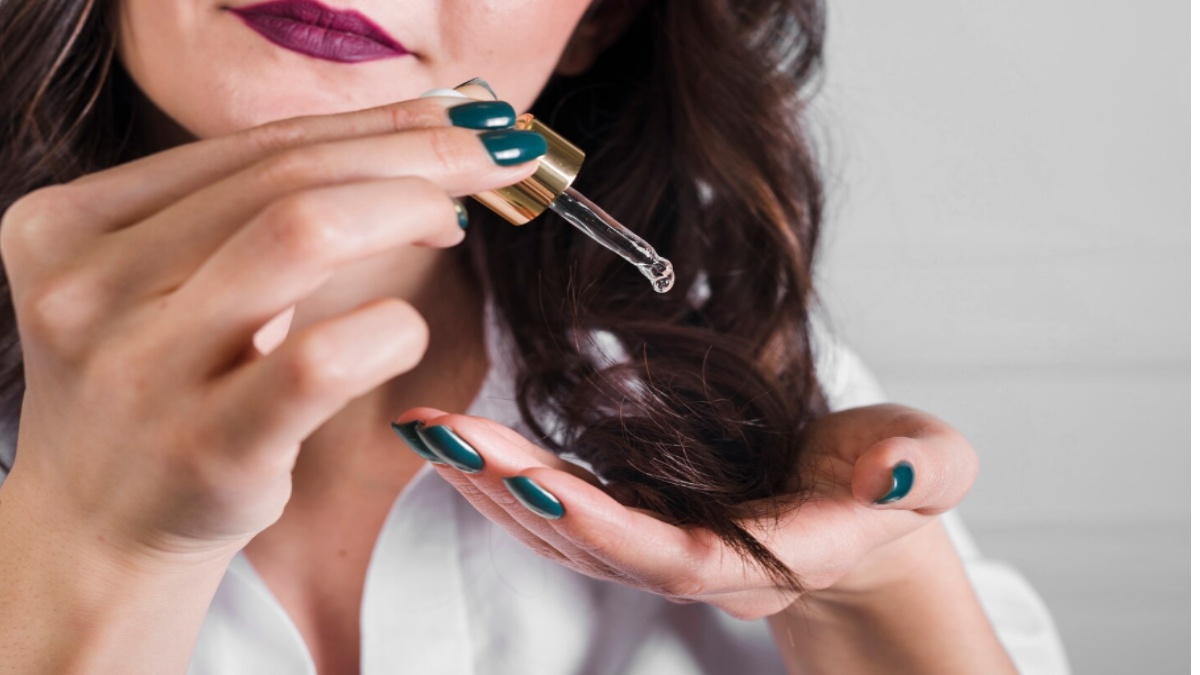
That was when I started paying more attention to hair serums. Rather than treating them as an optional finishing product, I began experimenting with different formulations designed for dryness, frizz, breakage and heat protection.
While a serum cannot permanently repair already damaged hair, the right product can coat the hair surface, improve smoothness, reduce friction and make strands look healthier. After trying several options, these six types stood out for different reasons.
Related Articles


1. Argan Oil Serum for Dryness
Argan oil-based serums are popular for a reason. They can give dry-looking hair a softer, smoother appearance without requiring a large amount of product.
I particularly like this type of serum on the mid-lengths and ends, where dryness tends to be more noticeable. A couple of drops can help tame flyaways and add shine.
However, applying too much can make fine hair look greasy, so starting with a small quantity is important.
Related Articles
2. Keratin-Based Serum for Rough, Damaged Hair
Keratin-focused formulas are often marketed toward people dealing with rough or chemically treated hair. These products can temporarily improve the feel and appearance of damaged strands by smoothing the hair surface.
They can be especially useful after colouring, frequent heat styling or other treatments that leave hair feeling coarse.
The key is to remember that cosmetic products can improve the appearance and manageability of damaged hair, but they cannot restore a strand to its original biological condition once it has been severely damaged.
3. Silicone-Based Anti-Frizz Serum
If frizz is your biggest problem, a silicone-based serum can be particularly useful. Silicones can create a smooth coating around the hair shaft, helping reduce friction and giving strands a polished appearance.
I found these formulas especially useful on humid days when my hair seemed determined to become frizzy within minutes of stepping outdoors.
They can also make detangling easier and reduce the rough feeling associated with dry hair.
4. Heat-Protecting Serum
For anyone who regularly uses a hair dryer, straightener or curling tool, a serum that offers heat protection can be a worthwhile addition to the routine.
Heat can contribute to dryness and structural damage, so protecting the hair before styling is important. A heat-protectant serum should be applied according to the product's instructions and distributed evenly rather than concentrated on one section.
It is also wise to use the lowest effective styling temperature and avoid repeatedly passing heated tools over the same section of hair.
5. Lightweight Serum for Fine Hair
People with fine hair often avoid serums because they fear their hair will become flat or oily. Lightweight formulations can be a better choice.
These products can provide some smoothing without the heavy finish associated with richer oils. I prefer applying a very small amount to the ends and avoiding the roots unless the product specifically recommends scalp application.
This type of serum is particularly useful for everyday styling when you want manageable hair without sacrificing volume.
6. Leave-In Serum for Split Ends
Split-end serums can make damaged ends look temporarily smoother and more polished. They are useful when the ends feel rough or appear noticeably dry.
However, it is important not to confuse cosmetic improvement with actual repair. Once a hair shaft has split, trimming is the only permanent way to remove the split. A serum can help reduce the appearance of damage and may minimise further friction, but it cannot permanently fuse a split end back together.
How I Apply Hair Serum
The biggest lesson I learned was that more product does not necessarily mean better results.
I usually start with a small amount, rub it between my palms and gently distribute it through the mid-lengths and ends. Depending on the product, it can be used on damp hair after washing or on dry hair as a finishing step.
I avoid applying heavy amounts directly to my scalp unless the formulation is specifically designed for scalp use. Product buildup can make hair look greasy and weighed down.
Other Habits That Help Dry Hair
A serum works best when combined with good hair-care habits. Using a suitable conditioner, avoiding excessively hot water, limiting unnecessary heat styling and handling wet hair gently can all help reduce damage.
Regular trims can also help manage split ends, while a balanced diet provides the nutrients needed for normal hair growth.
If hair suddenly becomes extremely dry, brittle or prone to shedding, it is worth speaking with a dermatologist or healthcare professional rather than relying solely on cosmetic products.
Trying different hair serums changed the way I approached my dry and brittle hair. The biggest improvement came from choosing a formula based on what my hair actually needed rather than simply buying the most popular product.
Argan oil serums worked well for softness and shine, keratin-focused formulas helped improve the feel of rough strands, anti-frizz products were useful in humid weather, heat-protecting serums supported safer styling, lightweight formulas suited finer hair and split-end products helped improve the appearance of damaged ends.
The perfect serum may be different for everyone, but using a small amount consistently and pairing it with gentle hair-care habits can make dry, brittle hair look smoother, shinier and considerably easier to manage.




Comments 0