
There is something incredibly satisfying about applying body oil after a shower and feeling your skin become instantly smoother, softer and more comfortable. While body lotions and creams have always had a place in skincare routines, switching to body oils can be a simple way to give dry, rough or dull-looking skin an extra dose of nourishment.
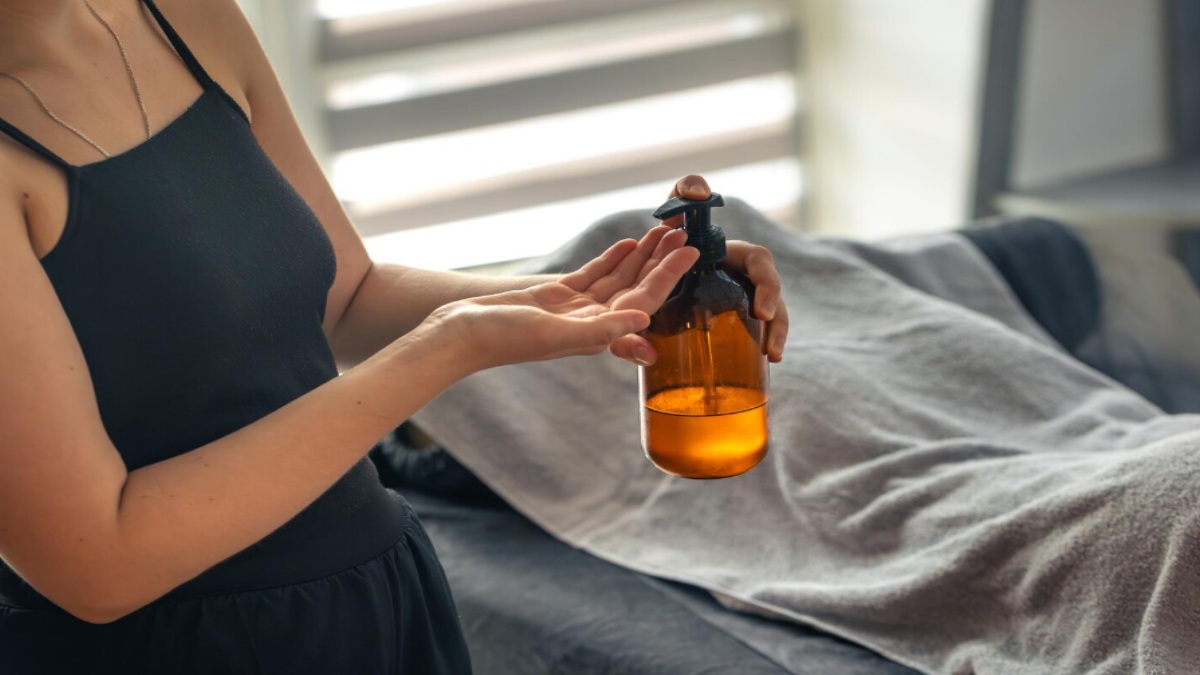
I made the switch to body oils because my skin often felt dry even after applying a traditional moisturiser. After incorporating oils into my body-care routine, I noticed that my skin felt softer and more supple. The biggest difference was the lasting feeling of hydration and the smooth finish that body oils left behind.
Why Body Oils Work So Well
Body oils are designed to help soften the skin and reduce moisture loss. Many plant-based oils contain fatty acids and other skin-conditioning components that can leave the skin feeling nourished and smooth.
Related Articles


One of the best ways to use a body oil is immediately after bathing, when the skin is still slightly damp. Rather than completely drying yourself with a towel, gently pat the skin and massage a small amount of oil over your body. This can help lock in some of the water left on the skin.
Body oils can also make a great addition to a relaxing evening routine. A few minutes of gentle massage can turn an ordinary skincare step into a calming self-care ritual.
My Favourite Body Oil Picks
Coconut oil remains a classic choice for body care. It has a rich texture and works particularly well on areas that tend to become dry, such as elbows, knees and heels. However, people with acne-prone skin may prefer to avoid using coconut oil on areas where they are prone to breakouts.
Related Articles


Sweet almond oil is another favourite because of its lightweight, silky texture. It spreads easily and can leave the skin feeling soft without requiring a large amount of product. It is especially appealing for people who dislike extremely heavy oils.
Jojoba oil has a lightweight feel and is often used in skincare because of its skin-conditioning properties. It can be a good option for those looking for a versatile oil that can be incorporated into a simple body-care routine.
Argan oil is another popular choice for people who want a luxurious-feeling body treatment. It contains fatty acids and vitamin E and can be massaged onto dry areas for a smoother, more conditioned feel.
Rosehip oil is often chosen as part of skincare routines focused on improving the appearance of dry or uneven-looking skin. Because it can feel richer and may be more expensive than everyday body oils, I prefer using it selectively rather than applying it from head to toe.
How I Use Body Oils
My preferred method is simple. After a shower, I gently pat my skin dry, leaving it slightly damp. I then take a small amount of body oil and massage it into my arms, legs and other areas that feel dry.
I avoid using too much because a little can go a surprisingly long way. Applying a thin layer also makes it less likely that clothes will feel excessively greasy afterwards.
For particularly dry areas, I sometimes use a moisturising cream first and follow it with a small amount of body oil. This combination can provide both hydration and a protective layer that helps reduce moisture loss.
Choosing the Right Body Oil
The best body oil depends on your skin type, preferences and the ingredients you tolerate well. If you have sensitive skin, look for fragrance-free formulas with a short ingredient list. If you enjoy scented products, lightly fragranced oils can make body care feel more indulgent, but fragrance may irritate sensitive skin.
It is also worth remembering that “natural” does not automatically mean irritation-free. Patch-testing a new product before applying it extensively is a sensible step, particularly if you have sensitive skin or a history of reactions.
Switching to body oils has made my skincare routine feel more enjoyable while helping my skin feel noticeably softer and smoother. Whether you choose coconut, almond, jojoba, argan, rosehip or a professionally formulated blend, the key is finding an oil that suits your skin and using it consistently.
Body oil does not have to replace every other moisturising product. Instead, it can be a simple addition to your body-care routine—especially after a shower when your skin needs extra nourishment. With the right product and application method, a few drops can turn everyday skincare into a luxurious little ritual.




Comments 0