
Choosing the right colors can make an outfit feel instantly more flattering. While personal style and confidence should always come first, understanding your skin's undertone can make it easier to select clothing, makeup, jewellery and accessories that complement your natural appearance.
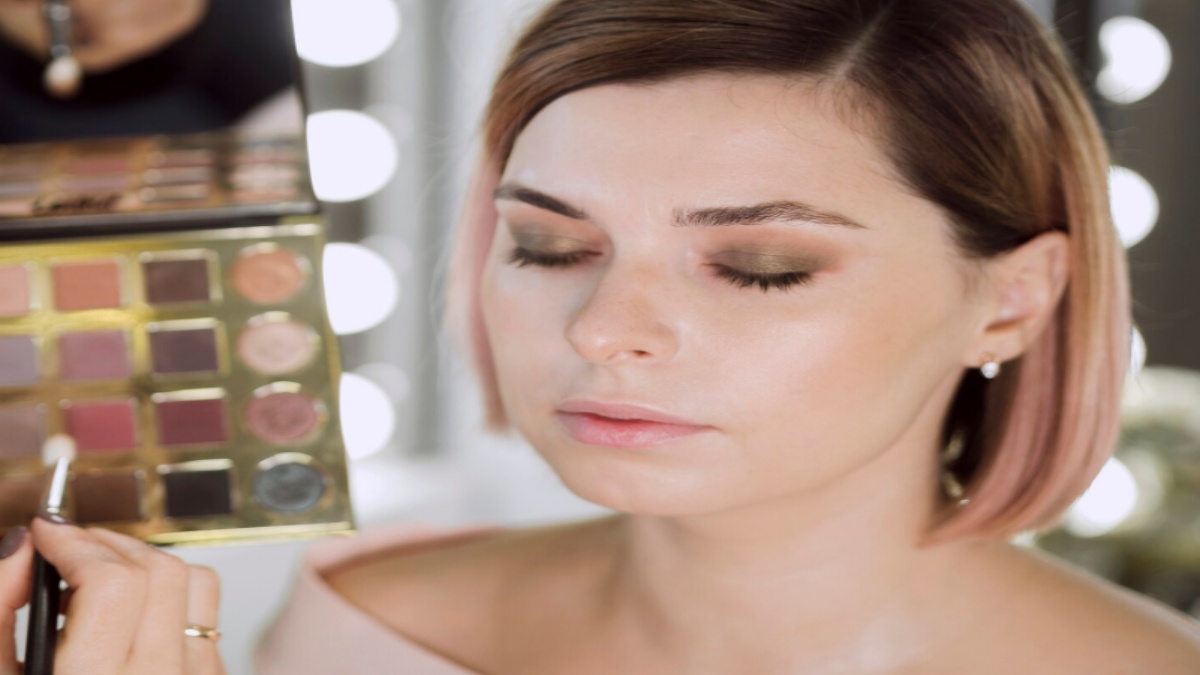
Your undertone is different from your skin tone. Skin tone refers to how light or deep your complexion appears, while undertone describes the subtle colour beneath the surface of the skin. Undertones are commonly classified as warm, cool or neutral. Some people may also notice olive characteristics, which can make colour selection more nuanced.
How to Identify Your Undertone
Before creating a colour palette, it helps to determine your undertone. One popular method is to look at the veins on the inside of your wrist in natural light. If they appear more greenish, you may have a warm undertone. If they appear blue or purple, you may lean cool. If it is difficult to tell, you may have a neutral undertone.
Related Articles


Jewellery can provide another clue. If gold jewellery appears especially harmonious against your skin, you may have a warm undertone. If silver seems more flattering, you may lean cool. People with neutral undertones can often wear both successfully.
However, these methods are only general guidelines. Lighting, skin pigmentation and individual variation can affect how colours appear.
Best Colors for Warm Undertones
Warm undertones often pair beautifully with colours that have golden, earthy or warm qualities. Shades such as cream, camel, warm beige, terracotta, rust, mustard, olive green, coral and peach can create a harmonious appearance.
Related Articles
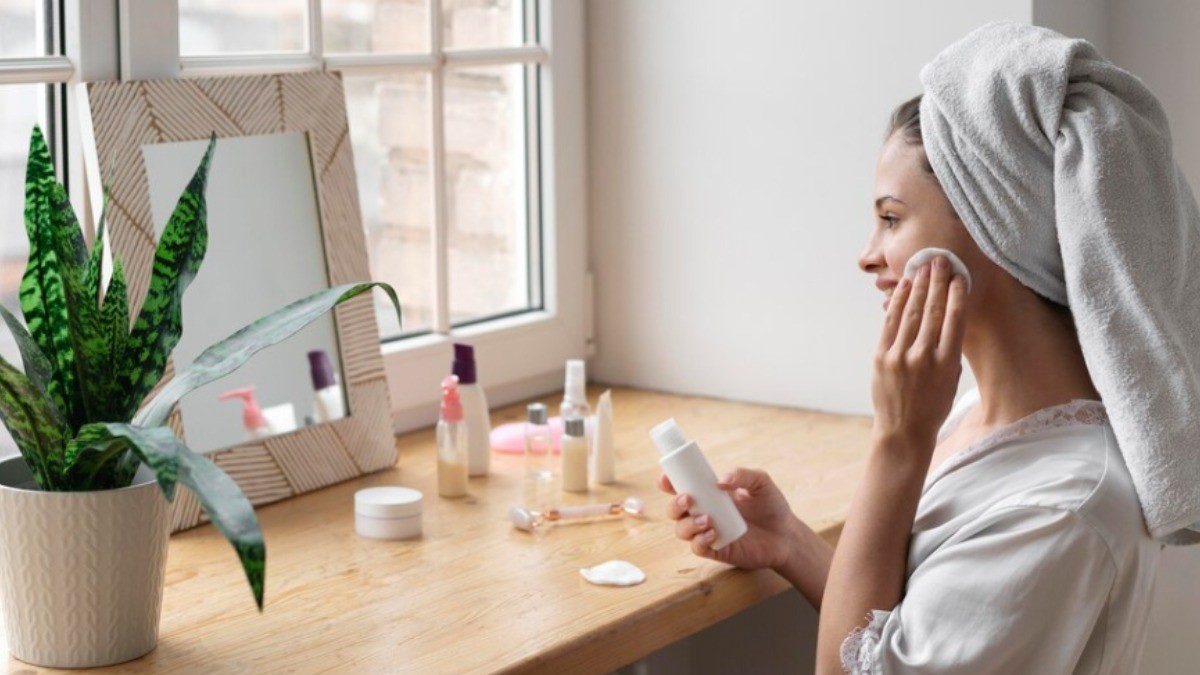

Rich warm reds and oranges may also complement warm undertones. For a more dramatic look, deeper shades such as chocolate brown or warm burgundy can work particularly well.
When selecting makeup, warm undertones may suit foundations with golden, peach or yellow undertones, although the correct shade should always be selected based on the individual's actual complexion. Warm-toned blushes and lip colours can also create a cohesive look.
Best Colors for Cool Undertones
Cool undertones tend to work well with colours that have blue, pink or purple qualities. Navy, cobalt blue, lavender, cool pink, berry, plum and blue-based red are examples of shades that may complement a cooler complexion.
Crisp white can also create a striking contrast, while cool greys can provide an elegant neutral option.
For makeup, people with cool undertones may enjoy pink, mauve, berry or blue-based red lip colours. Cool-toned blush shades can similarly complement the natural undertones of the complexion.
Best Colors for Neutral Undertones
Neutral undertones offer considerable flexibility because they can often accommodate both warm and cool colours. Shades such as soft white, dusty rose, teal, balanced greens, medium blue, taupe and classic red can work beautifully.
If you have a neutral undertone, experiment with both warm and cool versions of a colour. For example, compare a peachy pink with a blue-based pink and see which one feels more harmonious.
Neutral undertones can also make it easier to mix different colour families without creating an overly contrasting appearance.
What About Black and White
Black and white are classic colours that can work for almost everyone, but the exact shade and styling can make a difference.
Pure white can sometimes appear very stark against certain complexions, while softer ivory or cream may create a gentler effect. Similarly, black can provide a dramatic contrast, but charcoal, navy or dark brown may offer softer alternatives depending on your colouring.
You do not need to avoid a colour simply because it is not traditionally associated with your undertone. Styling, makeup, accessories and personal preference all matter.
Choosing Makeup Based on Undertone
Undertone can be especially useful when choosing foundation. A foundation that is too pink, yellow or orange for your complexion may look noticeably different from the rest of your skin.
The ideal foundation should blend seamlessly rather than creating a visible boundary. Testing shades in appropriate lighting is more reliable than choosing solely based on labels such as "warm" or "cool."
The same principle applies to concealer, blush and lipstick. Undertone can serve as a starting point, but individual colouring and desired makeup effect should also guide the decision.
Use Undertone as a Guide, Not a Rule
Colour analysis should make fashion and beauty more enjoyable, not restrictive. You can wear any colour you love. If a particular shade does not naturally complement your undertone, try wearing it farther away from the face or balancing it with accessories.
Ultimately, the best colours are those that make you feel confident. Understanding your undertone simply gives you another useful tool for experimenting with your wardrobe and beauty routine.
Whether your undertone is warm, cool or neutral, exploring different shades can help you discover a personal colour palette that feels both flattering and authentically yours.




Comments 0