
Clear, healthy-looking skin is a common skincare goal, but achieving it does not necessarily require a complicated beauty routine. Along with gentle cleansing, moisturising and daily sun protection, some people enjoy using simple DIY face masks made from commonly available ingredients.
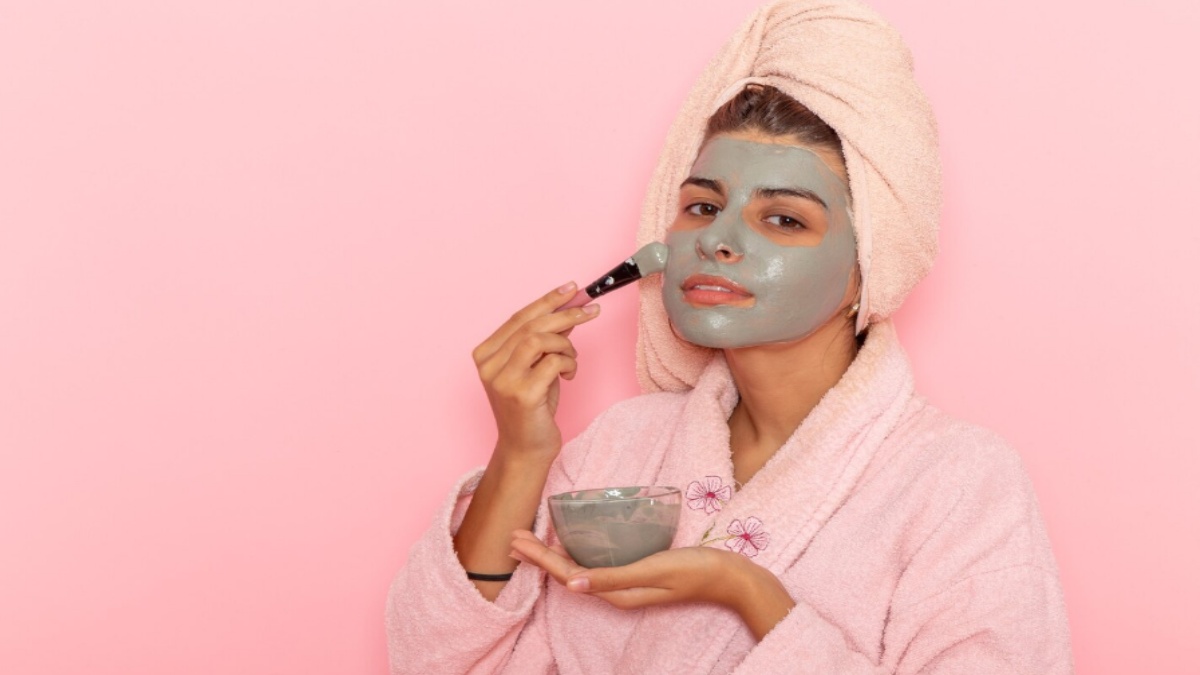
Homemade face masks can provide temporary hydration, soothing or gentle skin-softening benefits. However, they are not a guaranteed treatment for acne, pigmentation or other skin conditions. Ingredients found in the kitchen can also irritate sensitive skin, so it is important to be careful about what you apply to your face.
Before trying any DIY mask, patch-test the mixture on a small area of skin and stop using it if you experience burning, itching, redness or swelling.
Related Articles


1. Oatmeal and Yoghurt Face Mask
Oatmeal can be a soothing ingredient, while plain yoghurt contains lactic acid and may provide gentle exfoliating properties.
To make a simple mask, combine finely ground plain oats with a small amount of unsweetened yoghurt to create a smooth paste. Apply a thin layer to clean skin and leave it on for around 10–15 minutes before gently rinsing with lukewarm water.
Avoid scrubbing the mask off, particularly if your skin is sensitive.
Related Articles
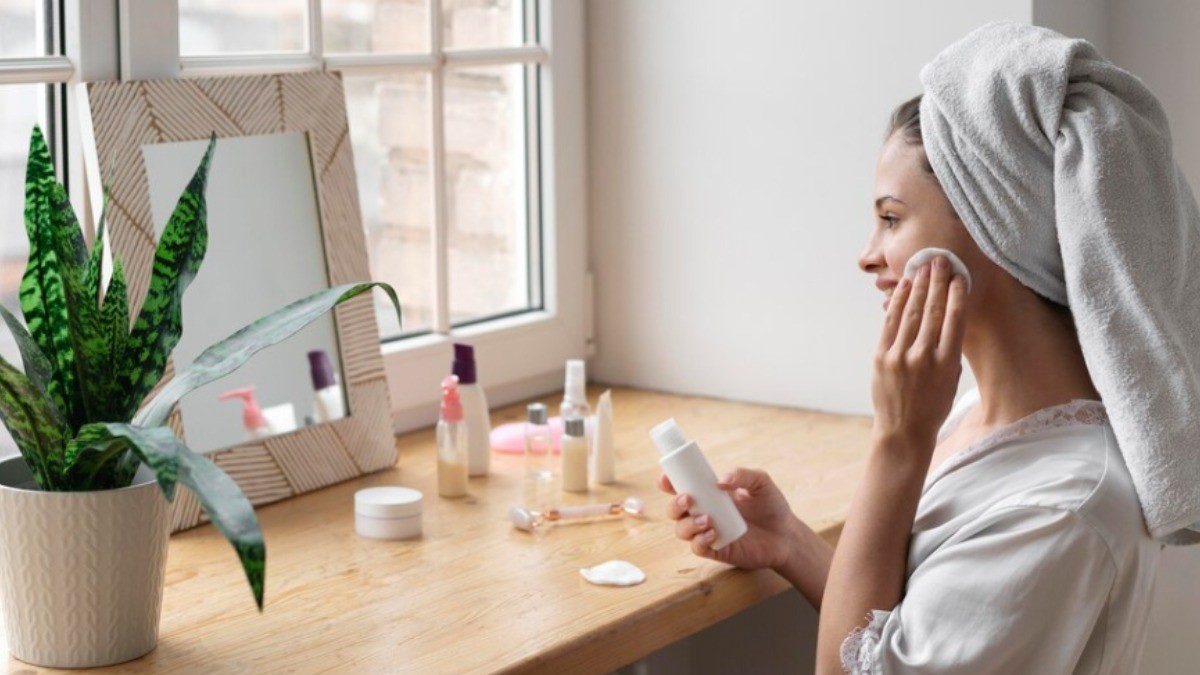

2. Honey and Oatmeal Mask
Honey is commonly used in skincare because it can help attract and retain moisture. Combining it with finely ground oatmeal creates a simple mask that may leave skin feeling softer.
Mix a small amount of plain honey with finely ground oats and apply it gently to the face. Leave it for approximately 10 minutes before rinsing.
If you have very sensitive skin or a known allergy to honey or bee products, avoid this option.
3. Aloe Vera for a Soothing Mask
Aloe vera gel is often used to soothe irritated or dry-feeling skin. If you choose aloe vera, use a commercially prepared product formulated for skin or a product known to be safe for topical use rather than applying unknown plant preparations directly to your face.
Apply a thin layer and leave it on according to the product instructions. Rinse if you experience irritation.
Aloe vera should not be considered a treatment for persistent acne or other dermatological conditions.
4. Avocado and Honey Hydrating Mask
Avocado contains fats and other nutrients, while honey can provide moisturising properties. A simple mixture of mashed ripe avocado and a small amount of honey can be used as an occasional hydrating mask.
Apply it for about 10–15 minutes and rinse thoroughly.
This type of mask may be more appropriate for people who experience dryness rather than those with very oily or acne-prone skin.
5. Cucumber-Based Cooling Mask
Cucumber has a high water content and can feel refreshing when applied to the skin. Blended cucumber can be used as a simple cooling mask, although its effects are primarily temporary and soothing rather than a treatment for acne.
Keep the application gentle and avoid getting the mixture into your eyes.
Ingredients to Avoid on Your Face
Not every popular DIY skincare ingredient is safe. Some home remedies can cause irritation, burns or increased sensitivity.
Avoid applying lemon juice, undiluted apple cider vinegar, baking soda, toothpaste or harsh scrubs to your face. These substances can disrupt the skin barrier and potentially worsen irritation or pigmentation.
Essential oils should also not be applied directly to the skin without appropriate dilution and professional guidance.
"Natural" does not automatically mean "safe."
DIY Masks Are Not a Substitute for Acne Treatment
If your goal is clear skin because you are dealing with acne, homemade masks may provide a pleasant skincare experience but are unlikely to address the underlying causes of persistent acne.
Acne can involve excess oil production, clogged pores, inflammation and hormonal factors. Evidence-based treatments such as appropriately selected cleansers, benzoyl peroxide, salicylic acid or prescription treatments may be more effective depending on the type and severity of acne.
A dermatologist can recommend treatment based on your individual skin.
Keep Your Routine Simple
A good skincare routine does not need dozens of products. For many people, the basics include:
- A gentle cleanser
- A suitable moisturiser
- Broad-spectrum sunscreen during the day
- An appropriate acne treatment if needed
A DIY face mask can be an occasional addition rather than the foundation of your skincare routine.
Be Careful With Sensitive Skin
People with eczema, rosacea, very sensitive skin or a damaged skin barrier may react to ingredients that are tolerated by others.
If your skin is already irritated, it may be better to avoid experimenting with homemade masks and focus on gentle, fragrance-free products recommended for sensitive skin.
If you experience persistent redness, painful breakouts, swelling, severe dryness or unexplained skin changes, seek advice from a dermatologist.
DIY face masks can be a simple and enjoyable addition to a skincare routine when made with gentle ingredients and used carefully. Oatmeal, plain yoghurt, honey, aloe vera and cucumber may offer temporary soothing or moisturising benefits for some people.
However, homemade masks are not a magic solution for clear skin. Avoid harsh ingredients, patch-test new mixtures and remember that consistent cleansing, moisturising and sun protection are more important for everyday skin health.




Comments 0