
Skin comes in an extraordinary range of shades, shaped largely by genetics, ancestry and adaptation to different levels of ultraviolet radiation. Yet throughout history, skin tone has sometimes been used to make assumptions about a person's beauty, social position, character or worth.
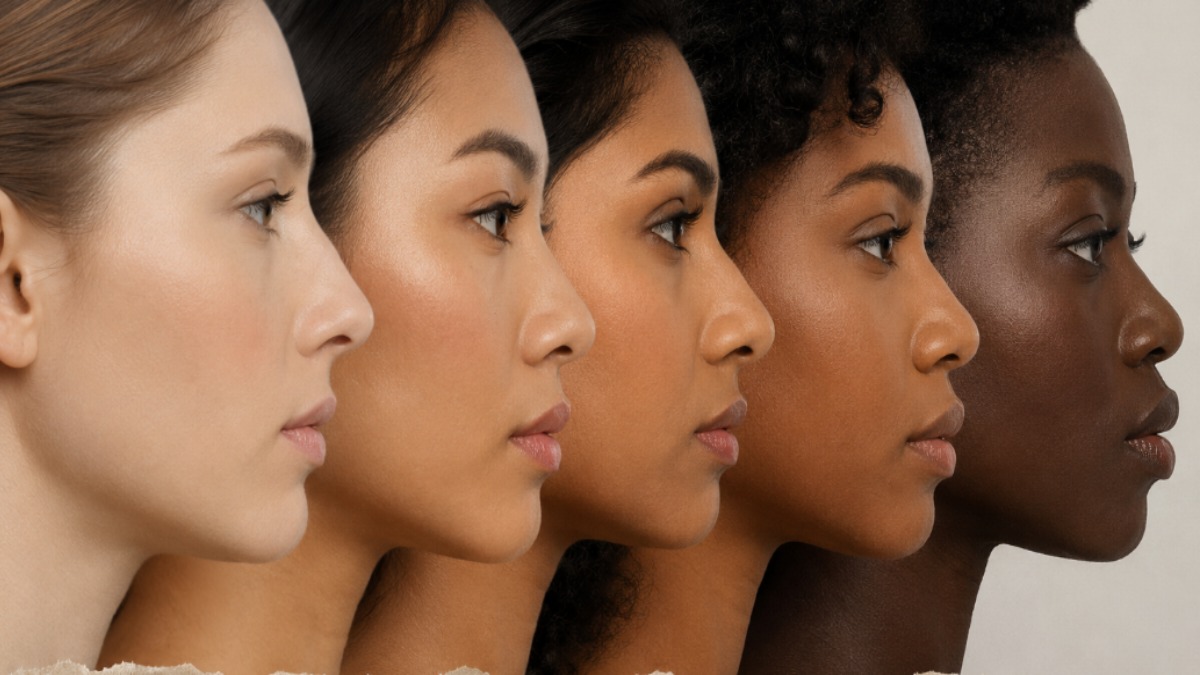
This phenomenon is commonly described as colorism, or the unequal treatment of people based on skin tone, often within the same racial or ethnic community.Understanding the history of skin tone bias is important because today's beauty standards did not develop in isolation. They are connected to centuries of social structures, economic systems, cultural traditions and ideas about status.
Skin Tone and Social Status in Ancient Societies
Associations between skin tone and social position appeared in various historical societies, although they did not always follow the same pattern seen today.
Related Articles


In some ancient agricultural societies, differences in complexion could reflect occupation and lifestyle. People who worked outdoors could develop darker, sun-exposed skin, while members of wealthier groups who spent more time indoors might have lighter complexions. Over generations, such differences could become associated with class or privilege.
However, it is important not to assume that every ancient culture had a simple preference for lighter skin. Attitudes toward complexion varied considerably across regions and historical periods.
Colonialism and the Development of Modern Colorism
Colonialism played a major role in strengthening associations between skin color, power and social hierarchy in many parts of the world.
Related Articles

European colonial societies often created racial classifications that placed Europeans above colonized populations. Lighter skin could sometimes become associated with proximity to colonial power, education, wealth or social opportunity.
These systems affected communities in Asia, Africa, the Caribbean and elsewhere. Even after colonial rule ended, some of the ideas created or reinforced during these periods continued through social customs, family expectations and cultural representations.
Slavery and Skin Tone Hierarchies
The history of colorism is also closely connected to slavery, particularly in societies shaped by the transatlantic slave trade.
Within some communities, differences in skin tone developed into social distinctions. People with lighter complexions could sometimes receive different treatment based on their perceived relationship to dominant groups.
These historical patterns were not simply personal preferences. They could influence access to education, employment, housing and social acceptance. The effects of these hierarchies could persist long after formal systems of slavery were abolished.
Colorism in South Asia
In South Asia, attitudes toward complexion have deep and complicated historical roots. Ideas about class, caste, occupation, geography and colonial influence have interacted in different ways across communities and periods.
Traditional beauty ideals have sometimes placed value on lighter complexions, and these preferences have been reinforced by popular culture, advertising and matrimonial expectations.
At the same time, South Asia has always contained enormous diversity in skin tones, and cultural attitudes have never been completely uniform. Today, increasing awareness of colorism is encouraging conversations about representation, discrimination and the need to challenge complexion-based judgments.
The Influence of Media and Advertising
Modern media has played a significant role in shaping perceptions of attractive skin.
For decades, advertisements for certain beauty products frequently presented lighter skin as desirable, successful or socially advantageous. Such messaging could subtly suggest that people needed to change their natural complexion to be considered attractive or confident.
Film, television, magazines and social media can also influence beauty standards. When people with particular skin tones are consistently portrayed as romantic leads, successful professionals or beauty icons, audiences may unconsciously associate those characteristics with desirability and achievement.
Fortunately, representation is changing. More brands, creators and media organizations are increasingly featuring people with diverse skin tones and challenging narrow definitions of beauty.
The Psychological Impact of Skin Tone Bias
Colorism can affect more than appearance. Repeated exposure to negative messages about one's complexion can influence self-esteem, body image and identity.
Children may encounter complexion-based comments at school or even within their own communities. Adults may face bias in relationships, workplaces or social situations.
Such experiences can create pressure to use skin-lightening products or constantly compare one's appearance with unrealistic beauty ideals. Some products may also contain harmful ingredients when improperly formulated or used without appropriate guidance.
Challenging Colorism Today
Addressing skin tone bias requires more than promoting a new beauty trend. It involves questioning the assumptions that connect complexion with intelligence, attractiveness, morality, wealth or social value.
Parents can help by teaching children that healthy skin comes in many natural shades. Schools and workplaces can encourage respectful, inclusive environments. Media organizations can provide broader representation, while beauty companies can market products without suggesting that one complexion is inherently superior to another.
Individuals can also challenge colorist language and recognize how seemingly harmless comments can reinforce longstanding stereotypes.
Beauty Beyond Skin Tone
The history of skin tone bias demonstrates how social attitudes can be created, reinforced and eventually challenged. Although colorism has appeared in different forms across cultures and historical periods, it is not an inevitable part of human society.
Beauty does not have a single shade. Recognizing the diversity of human skin tones is an important step toward creating a culture where people are valued for who they are rather than judged by the color of their skin.
Understanding the past allows society to question inherited beauty standards and build a future in which confidence, dignity and opportunity are not determined by complexion.




Comments 0