
Choosing a hairstyle is about much more than following the latest beauty trend. A haircut that looks amazing on one person may not create the same effect on someone else because factors such as face shape, hair texture, density and personal style all influence the final appearance. Understanding your face shape can make it easier to identify hairstyles that naturally complement your features while helping you feel more confident with your look.
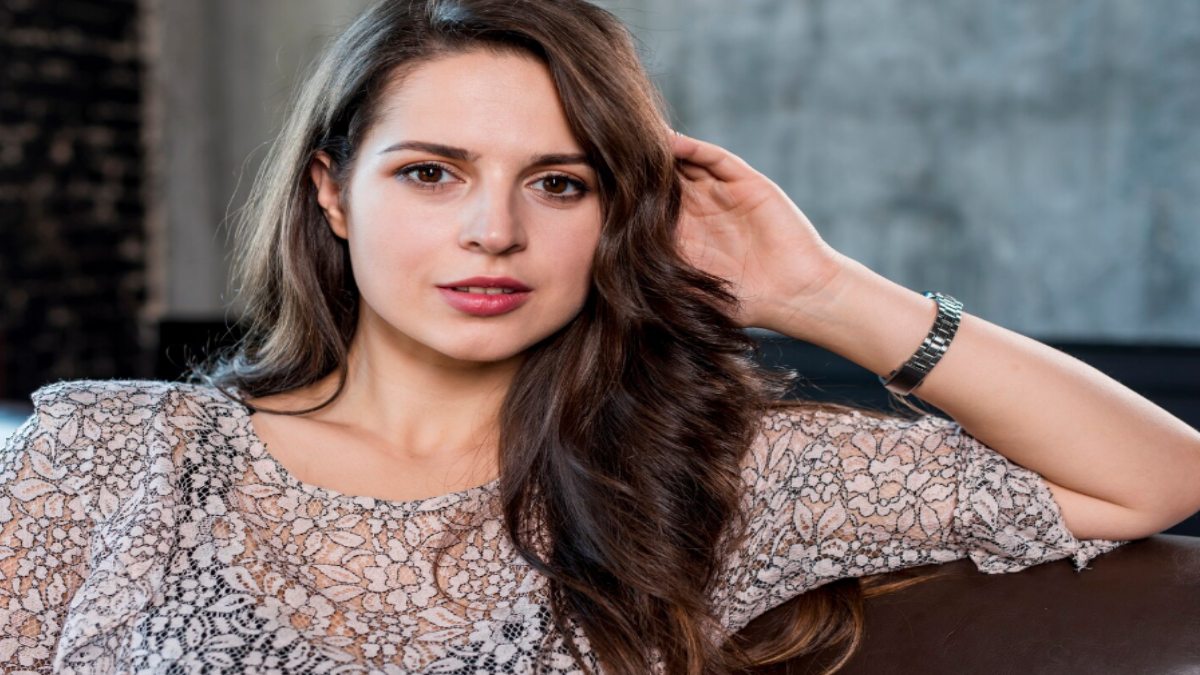
Whether you are considering a dramatic haircut, updating your everyday hairstyle or simply looking for a fresh way to style your existing hair, learning how different cuts work with different face shapes can be a useful starting point.
How to Identify Your Face Shape
Before choosing a hairstyle, determine the general shape of your face. Stand in front of a mirror with your hair pulled away from your face and observe your forehead, cheekbones, jawline and chin. You can also take a straight-on photograph and compare the proportions.
Related Articles
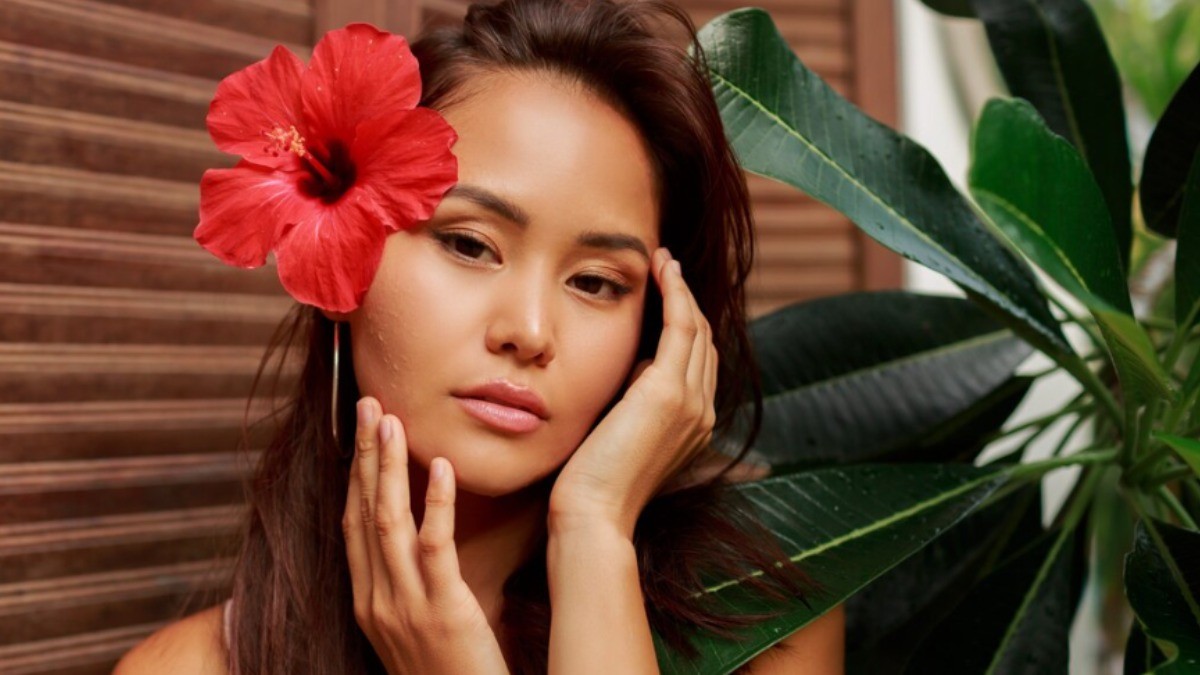

The most common face shapes include oval, round, square, heart, oblong and diamond. Some people may have a combination of characteristics rather than fitting perfectly into one category. The goal is not to follow strict rules but to understand which hairstyles can highlight your natural features.
Hairstyles for an Oval Face
An oval face is generally considered versatile because its proportions are relatively balanced. People with this face shape can experiment with many different hairstyles.
Long layers, bobs, lobs, soft waves and sleek straight styles can all work beautifully. Curtain bangs or side-swept bangs can also add a fresh dimension. Since the face is already balanced, the main consideration is choosing a style that works with your hair texture and lifestyle.
Related Articles

Hairstyles for a Round Face
Round faces tend to have softer angles and similar width and length. Hairstyles that create the appearance of additional length can complement this shape.
Long layers, side-parted styles and hairstyles with volume around the crown can help visually elongate the face. A longer bob that falls below the chin can also be flattering. If you prefer bangs, consider side-swept or curtain styles rather than very heavy, straight-across bangs.
Hairstyles for a Square Face
Square faces typically feature a prominent jawline and relatively similar forehead, cheekbone and jaw widths. Soft hairstyles can help balance stronger facial angles.
Loose waves, textured layers and side-swept bangs can create movement around the face. A shoulder-length cut with soft layers may work particularly well. If you prefer shorter hair, a textured bob can soften the overall appearance while maintaining a modern silhouette.
Hairstyles for a Heart-Shaped Face
Heart-shaped faces are generally wider around the forehead and narrower toward the chin. The ideal hairstyle can help create visual balance between the upper and lower portions of the face.
Chin-length bobs, soft waves and layered hairstyles can work well. Side-swept bangs may also help draw attention toward the eyes and cheekbones. Avoiding excessive volume directly at the crown can sometimes create a more balanced appearance.
Hairstyles for an Oblong or Long Face
An oblong face is typically longer than it is wide. Hairstyles that add some width and movement can complement this shape.
Shoulder-length cuts, waves, curls and layered styles can create the appearance of additional fullness around the sides. Bangs can also work well because they visually reduce the perceived length of the face. A blunt or softly textured bob may be another attractive option.
Hairstyles for a Diamond Face
Diamond-shaped faces often have prominent cheekbones, a narrower forehead and a defined chin. Hairstyles that add softness around the forehead and jawline can create balance.
Side-swept bangs, layered cuts and chin-length styles can be excellent choices. Soft waves can highlight the cheekbones without making the face appear overly angular. A textured pixie cut can also work beautifully if you prefer short hair.
Consider Your Hair Texture
Face shape is only one part of choosing the right hairstyle. Hair texture is equally important. Straight, wavy, curly and coily hair respond differently to particular cuts.
For example, a layered style may create beautiful movement in wavy hair but require more styling on naturally straight hair. Curly and coily hair should generally be cut with their natural pattern and shrinkage in mind. A professional stylist can recommend a shape that works with your natural texture rather than requiring extensive daily styling.
Think About Your Lifestyle
The perfect hairstyle should fit your everyday routine. A highly structured haircut may look beautiful but require regular styling and maintenance. If you prefer a low-maintenance routine, consider a cut that looks attractive with minimal effort.
Think about how much time you realistically want to spend washing, drying, straightening, curling or styling your hair. Your hairstyle should make your routine easier, not more complicated.
Don't Forget Personal Style
Face-shape guidelines are useful, but they should never limit your creativity. If you love a particular haircut, there are usually ways to adapt it to complement your features.
Bring reference photographs to your hairstylist and discuss what you like about each look. A professional can adjust the length, layers, bangs and volume to suit your face while keeping the overall style you want.
Ultimately, the best hairstyle is one that complements your facial features, works with your natural hair and fits your lifestyle. Instead of choosing a haircut simply because it is trending, consider how its shape and proportions interact with your appearance. With the right combination of face shape, hair texture, maintenance level and personal preference, you can find a hairstyle that feels both flattering and authentically yours.




Comments 0