
Strong, healthy nails are not only a part of a well-groomed appearance but can also reflect how well you care for your hands and overall nutrition. However, brittle nails that split, peel or break easily are a common concern. Frequent exposure to water, household cleaning products, nail polish removers and harsh chemicals can weaken nails over time.
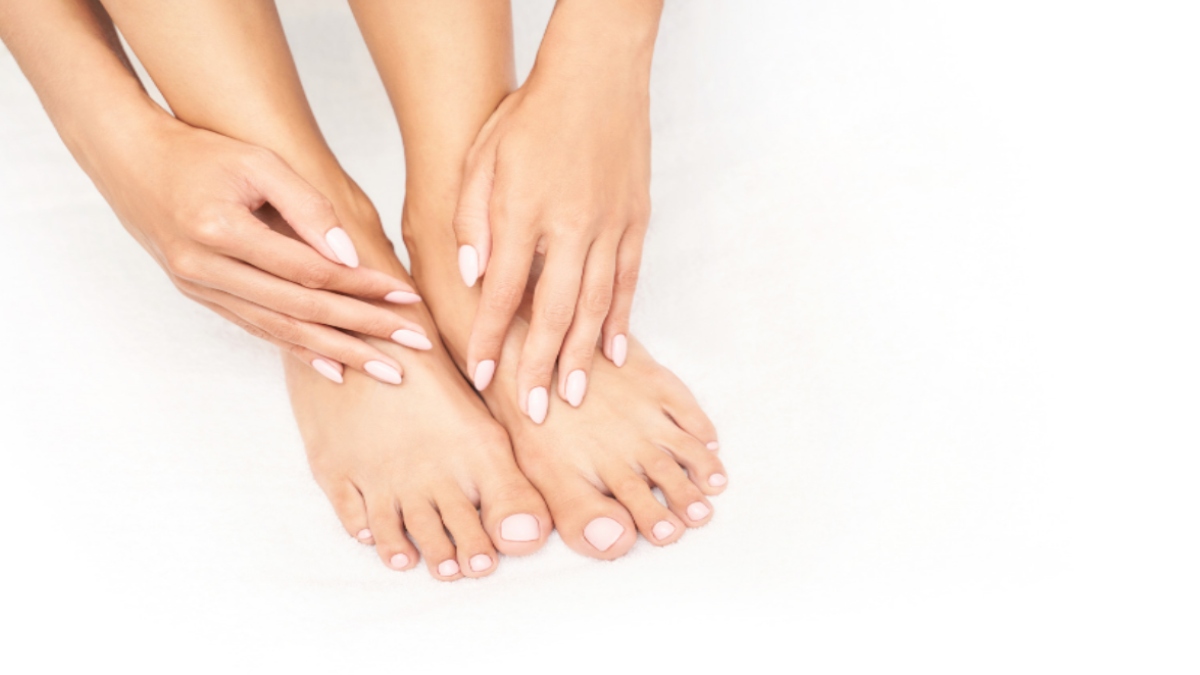
Certain health conditions and nutritional deficiencies may also contribute to nail changes.The good news is that simple changes to your daily routine can help reduce unnecessary nail breakage and keep your nails looking healthier.
1. Keep Your Nails at a Manageable Length
Long nails can be more vulnerable to catching on clothing, bags and other objects. If your nails break frequently, keeping them slightly shorter may reduce stress on the nail plate.
Related Articles


Trim your nails regularly using clean nail clippers or scissors. Rather than cutting them extremely short, leave a small amount of free edge to protect the fingertip.
2. File Nails Gently
Rough or uneven edges can catch on fabrics and increase the chance of splitting. Use a fine-grit nail file and move it gently in one direction instead of aggressively sawing back and forth.
Shape the nails according to their natural contour and avoid excessive filing of the surface, as this can make the nail thinner.
Related Articles
3. Moisturise Your Nails and Cuticles
Dry nails can become more prone to peeling and splitting. Applying hand cream regularly can help maintain moisture in the surrounding skin and cuticles.
You can massage a small amount of cuticle oil or a moisturising product into the nail and cuticle area, especially after washing your hands. Consistent hydration can be particularly helpful during dry weather.
4. Protect Your Hands From Water and Chemicals
Repeated exposure to water can contribute to brittle nails, particularly when combined with detergents and cleaning products.
Wear household gloves when washing dishes or cleaning. Avoid keeping your hands submerged in water for unnecessarily long periods. After washing, dry your hands thoroughly and apply moisturiser.
5. Be Careful With Nail Polish Remover
Frequent use of acetone-based nail polish removers may leave nails feeling dry. If your nails are already brittle, consider reducing how often you remove and reapply polish.
Do not scrape or peel nail polish off the nail surface, as this can remove layers of the nail and increase weakness.
6. Avoid Using Your Nails as Tools
One of the easiest ways to prevent breakage is to stop using your fingernails to open packages, scrape labels, pry objects apart or remove lids.
Although it may seem harmless, repeated pressure can cause cracks and splits. Use the appropriate tool instead.
7. Maintain a Balanced Diet
Nail health is also influenced by nutrition. A balanced diet containing adequate protein, vitamins and minerals supports normal nail growth.
Include foods such as eggs, dairy products, legumes, fish, lean meats, nuts, seeds, whole grains, fruits and vegetables as appropriate for your diet.
If you suspect a nutritional deficiency, speak with a healthcare professional before taking supplements. High doses of certain nutrients are not necessarily beneficial and can sometimes cause harm.
8. Avoid Picking at Cuticles
Cuticles provide a protective barrier around the nail. Cutting or aggressively pushing them back can damage the surrounding skin and potentially increase the risk of irritation or infection.
Instead, moisturise the cuticles regularly and handle them gently during manicures.
9. Give Your Nails a Break
If you regularly use gel manicures, acrylic nails or extensions, consider taking breaks if your natural nails are becoming thin or damaged.
Improper removal can be particularly damaging. Never forcibly peel or pull off artificial nail products. Professional removal may help minimise unnecessary trauma.
10. Know When to See a Doctor
Occasional nail breakage is usually not a major concern. However, persistent brittleness or sudden changes in nail colour, shape or texture may sometimes be associated with an underlying health issue.
If your nails become unusually weak, develop deep ridges, change colour, separate from the nail bed or show other persistent changes, consider consulting a dermatologist or healthcare professional.
Preventing nail breakage is largely about reducing damage and maintaining healthy habits. Keep nails at a manageable length, file them gently, moisturise regularly and protect your hands from excessive water and harsh chemicals. Avoid using your nails as tools and be cautious with aggressive manicures or artificial nail removal.
A nutritious, balanced diet also supports normal nail growth. With consistent care and patience, you can help your nails become stronger, smoother and less prone to everyday breakage.




Comments 0