
As beauty and wellness is becoming more and more commonly used, we have an abundance of advice on the internet. There are so many myths about skincare that they are repeated in the world and so frequently I am getting “sounds of facts” that I don’t get to actually believe at all. And when you start to fall into the traps of such myths you can have skin irritation and lost money and make bad habits in the name of your skin.
You know the difference between skincare myths and what’s good advice, and it’s healthy.
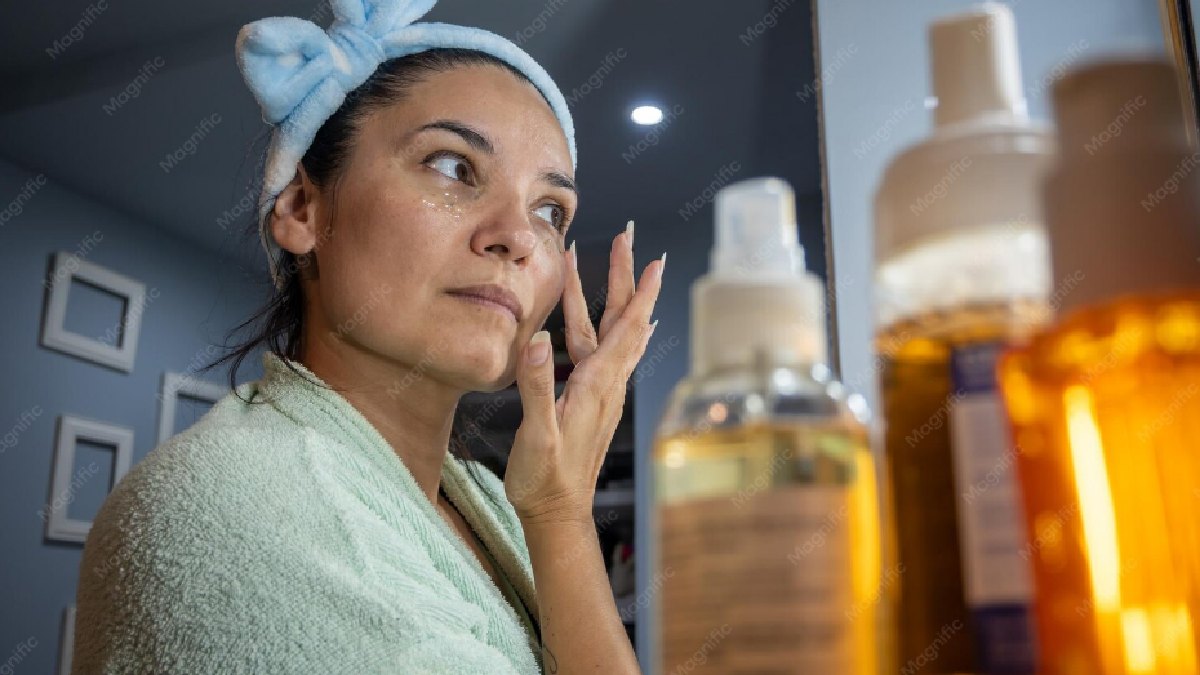
One of the most common skincare myths is that people with oily skin should avoid moisturiser. Many believe that moisturising will make the skin oilier and increase breakouts. But oily skin still needs hydration. Find a moisturizer that works for you and your skin type. No moisturiser at all can make your skin uncomfortable and it may damage the skin barrier.
A balanced skincare routine should include hydration even if the skin naturally generates excess oil.
Another popular myth is that sunscreen is needed only during summer or on very sunny days. Ultraviolet rays can affect the skin throughout the year, especially on cloudy days. Sun protection has also been proven to reduce the risk of sunburn and cumulative UV-related skin damage.
Those who spend quite a lot of time outdoors should also take protective clothing, shade, and hats into account as part of a routine of sun protection.
Related Articles


A related misconception is that darker skin doesn’t need sunscreen. Melanin provides some natural protection from UV radiation, but does not eliminate the risk of skin damage. UV-related skin changes and skin cancer can happen to people of all skin tones. When sunscreen is used properly, it is really important for skin health.
People also think that natural skincare products are always safer than synthetic products. That is not always the case. Natural ingredients can cause irritation or allergic reactions, especially if they are highly concentrated. Essential oils and botanical ingredients may not be suitable for sensitive skin. And scientifically formulated ingredients can be safe and effective if used properly.
The suitability of a skincare ingredient ultimately depends on its formulation, concentration, and how the skin responds when it’s applied.
Another popular myth is that toothpaste can be used as an effective acne treatment. Although toothpaste might give the skin a temporary drying sensation, it is not designed for facial skin. Applying toothpaste to pimples can cause redness, dryness, and irritation. Products designed specifically for acne-prone skin may help with acne. Persistent or severe acne should also be dealt with by a dermatologist.
Related Articles
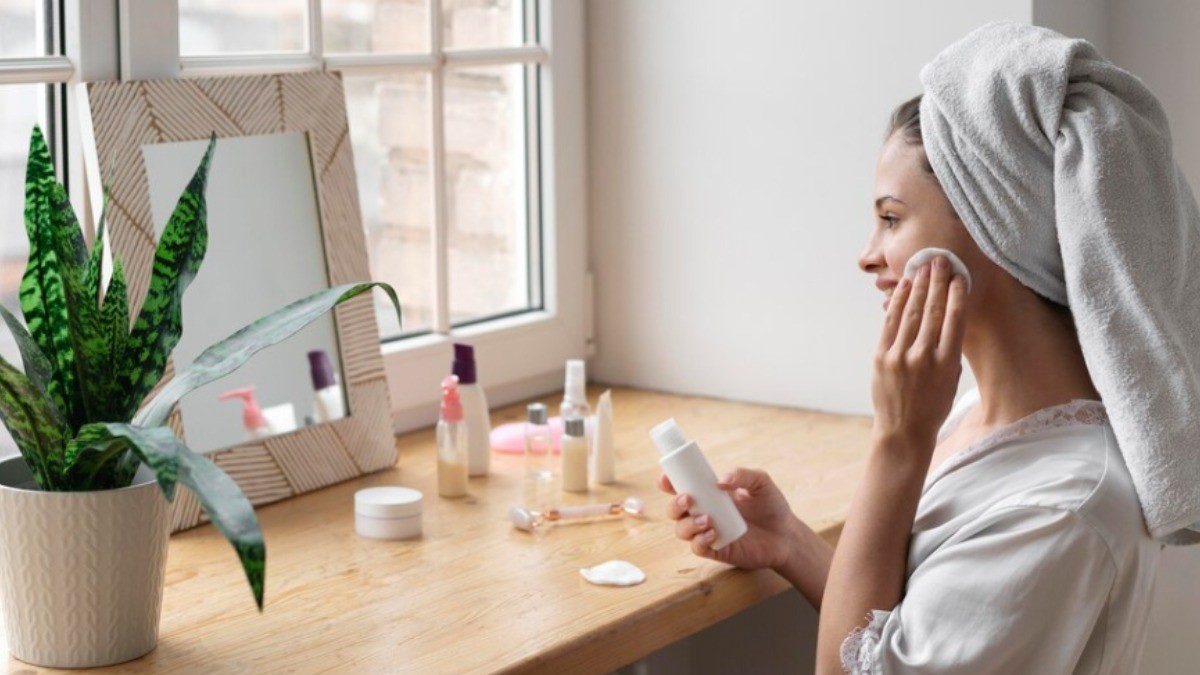

There is also this misconception that acne is only a teenage problem. Acne is particularly common during adolescence, but adults can get breakouts too. Hormonal changes, genetics, stress, medications, and other factors can contribute to adult acne. Deciding that acne will be gone with age can prevent people from seeking treatment when they need it.
Another skincare myth is that washing your face repeatedly will prevent pimples. Excessive washing can actually irritate the skin and damage its protective barrier. Aggressively cleansing can also make the face more red and uncomfortable.
A gentle cleanser that is properly applied is generally better than washing your face repeatedly throughout the day. Skincare should remove dirt, excess oil, makeup, and so on without stripping the skin completely.
Some people think that expensive skincare products are automatically better. But price is not a guarantee of effectiveness. Affordable products may contain well-established skincare ingredients that work very well for some people. But an expensive product might not be ideal for every skin type. Pay attention to the ingredients, formulation, and specific skin concerns, rather than choosing products based solely on price.
Another common misconception is that a more complicated skincare routine will lead to better results. Social media is full of such routines with many cleansers, serums, masks, exfoliators, and creams. But more products don’t necessarily mean better skin. Many people will find a simple routine with gentle cleansing, moisturisation, and sun protection to be a solid foundation. Additional products should be introduced according to individual needs and tolerance.
There is a myth that skincare products should have a burning or tingling sensation to show that they work. Most active ingredients can cause mild sensations, but burning, significant redness, or persistent irritation should not be considered evidence of effectiveness. Strong irritation means a product is inappropriate or is being used too frequently.
Listening to your skin and introducing active ingredients carefully can help reduce unnecessary damage.
Many people think that skincare products can transform their skin overnight. But skin changes take time to adapt, and results can vary significantly between individuals. Social media images can also create unrealistic expectations due to filters, lighting adjustments, or carefully controlled conditions in pictures. Consistency and patience are more important than constantly changing products in search of immediate results.
Separating skincare facts from popular myths can make your beauty routine simpler and more effective. If your skin type is different from the viral ones, take the time to understand the ingredients in your products, and make changes gradually. If you experience persistent acne, severe irritation, unusual skin changes, or other concerns, professional advice from a qualified dermatologist can be valuable. Healthy skin doesn’t have to follow every trend; it requires informed choices, consistency, and appropriate care.




Comments 0