
South Korean beauty routines have become a global phenomenon, inspiring millions of people to rethink the way they care for their skin. Often associated with the popular “glass skin” look, Korean skincare is less about achieving flawless skin overnight and more about maintaining healthy, hydrated, balanced skin through consistent habits.
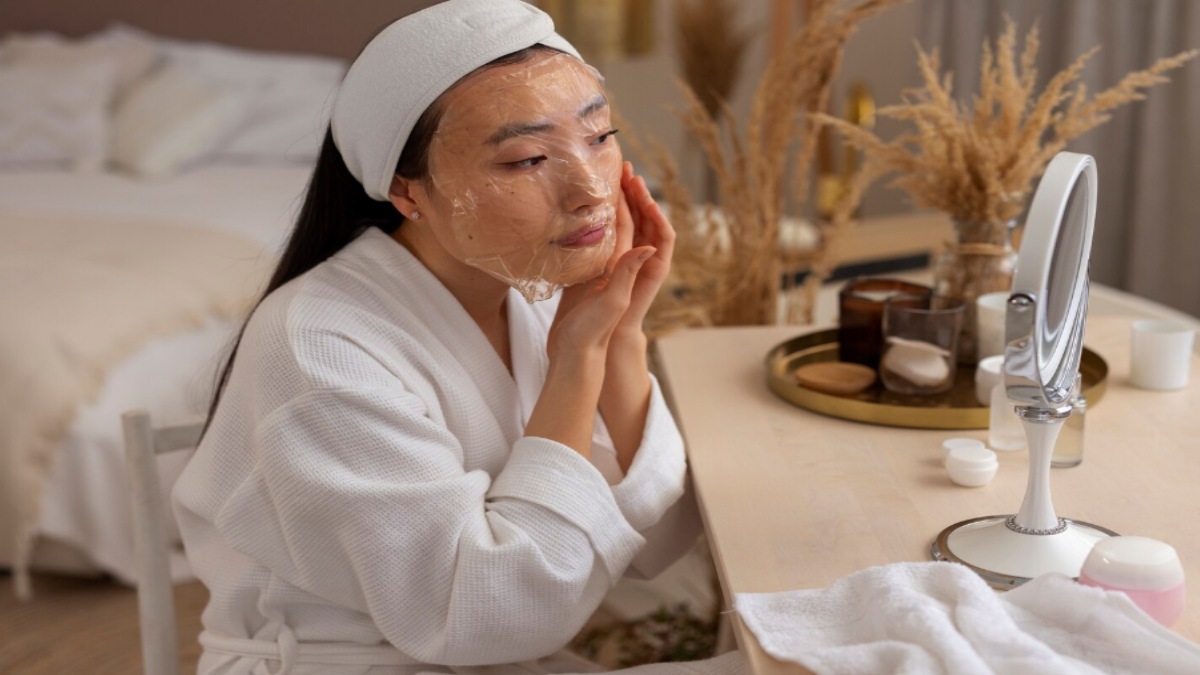
While every person's skin is different, several principles commonly associated with Korean skincare can be adapted into a simple routine. The emphasis is generally on gentle care, hydration, sun protection, and consistency rather than relying exclusively on aggressive treatments.
Start with gentle cleansing
Cleansing is one of the foundations of a good skincare routine. Korean beauty routines often place emphasis on removing makeup, sunscreen, excess oil, and impurities without leaving the skin feeling excessively dry.
Related Articles


A gentle cleanser suited to your skin type can help maintain the skin barrier. People who wear heavy makeup or water-resistant sunscreen may use an oil-based cleanser first, followed by a gentle water-based cleanser. However, double cleansing is not necessarily required for everyone, particularly if the first cleanser is already effective.
The goal is clean skin without excessive stripping.
Hydration is a major focus
One of the most recognizable features of Korean skincare is its emphasis on hydration. Well-hydrated skin can look smoother and more supple, while dryness may make fine lines and rough texture more noticeable.
Related Articles
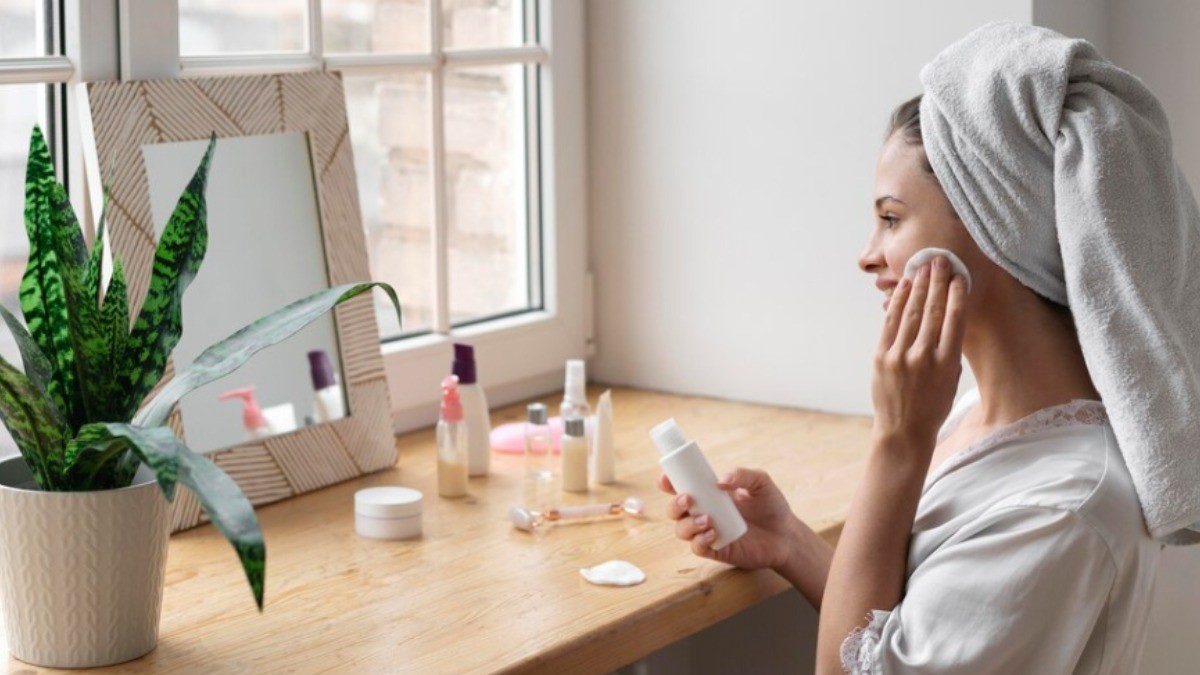

Hydrating ingredients such as glycerin, hyaluronic acid, panthenol, and certain types of ceramides can help support the skin's moisture balance. Instead of applying a large amount of one product, some routines use several lightweight hydrating layers.
However, more products do not automatically mean better results. A simple routine containing compatible products can be just as effective.
Never underestimate sunscreen
Daily sun protection is arguably one of the most important habits associated with modern skincare. Regular exposure to ultraviolet radiation can contribute to premature skin ageing, pigmentation, and skin damage.
A broad-spectrum sunscreen with an appropriate SPF should be applied during the daytime, particularly when spending time outdoors. It should also be reapplied when necessary, especially after sweating, swimming, or prolonged outdoor exposure.
Sunscreen is not only a summer product. UV exposure occurs throughout the year, making daily protection an important part of a consistent skincare routine.
Treat your skin gently
Another useful principle is to avoid unnecessarily harsh treatment. Scrubbing the face aggressively or repeatedly using strong exfoliating products can irritate the skin barrier.
Exfoliation can be helpful for some people, but it should be introduced carefully. Products containing ingredients such as alpha hydroxy acids, beta hydroxy acids, or retinoids may provide benefits for certain skin concerns, but they can also cause irritation when overused.
Introducing one active ingredient at a time makes it easier to identify what works and what causes sensitivity.
Focus on the skin barrier
A healthy skin barrier helps keep moisture in and provides protection against external irritants. Excessive cleansing, over-exfoliation, very hot water, and using too many strong active ingredients can compromise that barrier.
Moisturisers containing ingredients such as ceramides, fatty acids, and humectants can support skin hydration. People with oily or acne-prone skin can still benefit from moisturisation; they may simply prefer lighter, non-comedogenic formulations.
Healthy skin does not necessarily have to feel completely matte. A comfortable, balanced complexion is a more realistic goal than eliminating every trace of natural oil.
Keep the routine consistent
One of the biggest lessons from Korean beauty culture is the importance of consistency. Skincare is not usually a one-day transformation. Improvements in hydration, texture, pigmentation, and acne often require regular care over time.
A basic routine can be surprisingly simple: cleanse, moisturise, and use sunscreen during the day. Additional products can be introduced depending on specific concerns.
This approach may also make skincare easier to maintain because it reduces the temptation to constantly switch products.
Pay attention to your individual skin type
There is no universal Korean skincare routine that works perfectly for everyone. Skin can be dry, oily, combination, sensitive, acne-prone, or a mixture of several characteristics.
Climate also matters. Someone living in a humid environment may need a lighter moisturiser, while someone in a dry climate may prefer a richer formula. Age, hormonal changes, medications, and existing skin conditions can also influence skincare needs.
Instead of copying every step seen online, choose products based on your skin's requirements.
Don't forget lifestyle habits
Healthy-looking skin is influenced by more than topical products. Adequate sleep, a balanced diet, regular physical activity, stress management, and sufficient fluid intake all contribute to overall wellbeing.
It is also important to remember that photographs of “glass skin” may involve professional makeup, lighting, filters, and image editing. Real skin naturally has pores, texture, pigmentation, and occasional blemishes.
The most useful lesson from Korean skincare is therefore not the pursuit of unrealistic perfection. It is the idea of treating your skin patiently and consistently.
Ultimately, South Korean beauty routines offer a valuable reminder that effective skincare does not have to mean using dozens of products. Gentle cleansing, adequate hydration, thoughtful use of active ingredients, moisturisation, and daily sun protection can form a strong foundation. With consistency and products suited to individual needs, the goal can shift from chasing perfect skin to maintaining skin that feels healthy, comfortable, and well cared for.




Comments 0