
The beauty industry is highly competitive, with new skincare, makeup, haircare and personal-care products appearing every day. Simply creating a good product is not always enough to attract attention. Beauty brands need creative marketing strategies that communicate what makes their products useful, memorable and different.
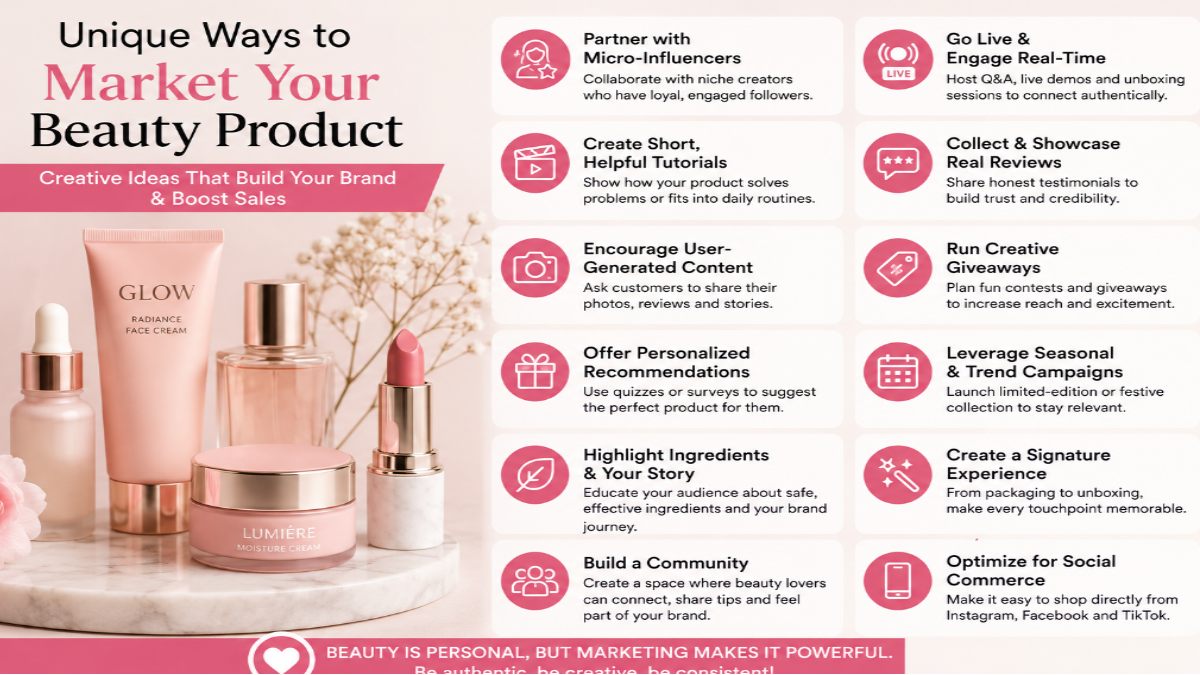
The good news is that marketing does not always require a massive advertising budget. A combination of engaging content, authentic customer experiences, creative partnerships and community-building can help a beauty product gain visibility and establish trust.
Here are some unique ways to market your beauty product and create a stronger connection with potential customers.
Related Articles
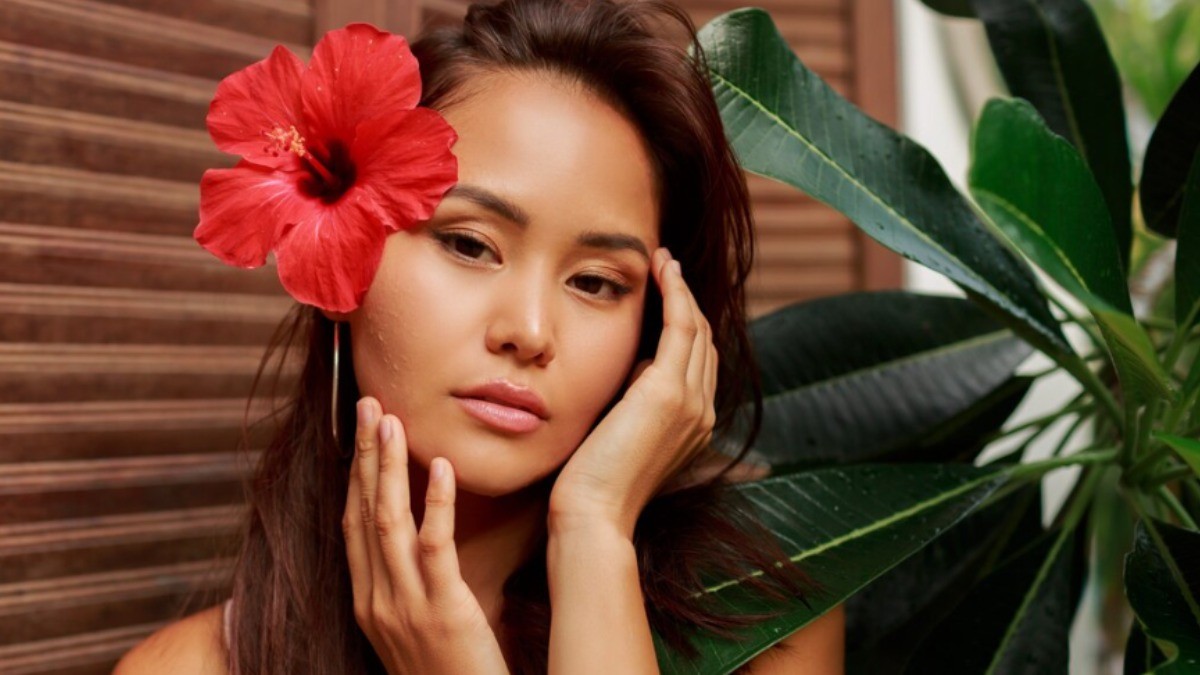

1. Create Before-and-After Content Responsibly
Before-and-after content can help customers understand how a product is intended to be used. Whether demonstrating a makeup transformation or showing how a skincare routine changes the appearance of skin, visual storytelling can be powerful.
However, avoid misleading editing or unrealistic claims. Use consistent lighting and clearly explain the timeframe and conditions of the demonstration.
2. Turn Tutorials Into Your Marketing Strategy
Beauty products naturally lend themselves to tutorials. Instead of simply posting a photograph of your product, demonstrate how to use it.
Related Articles
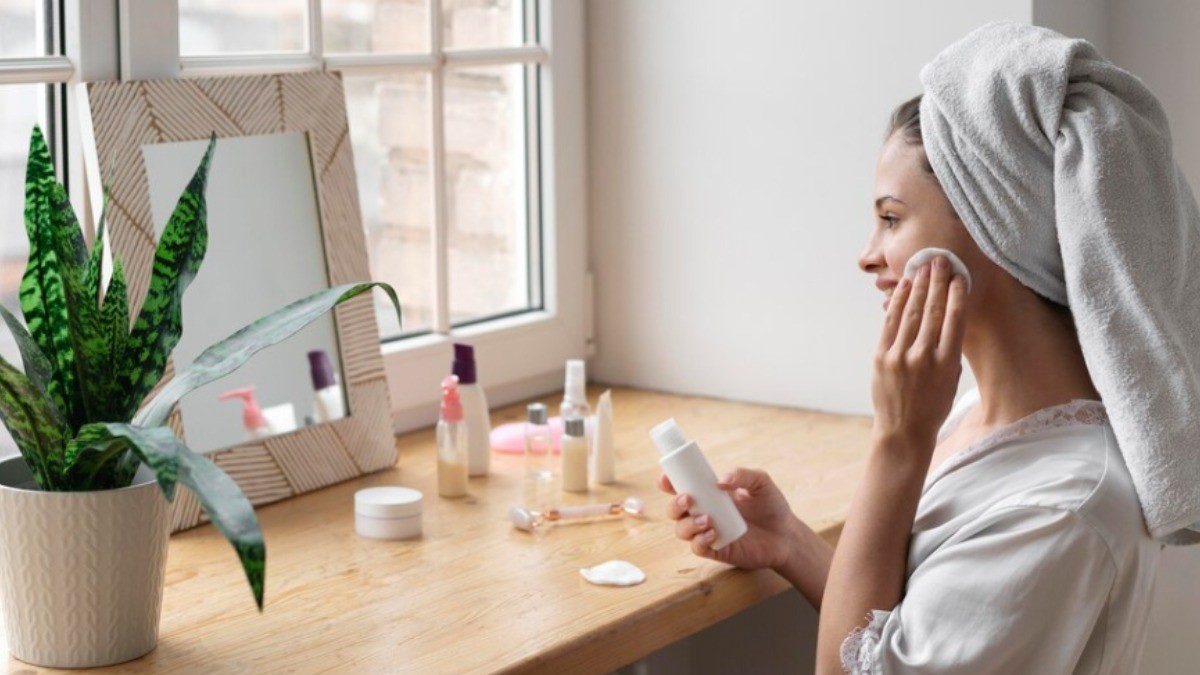
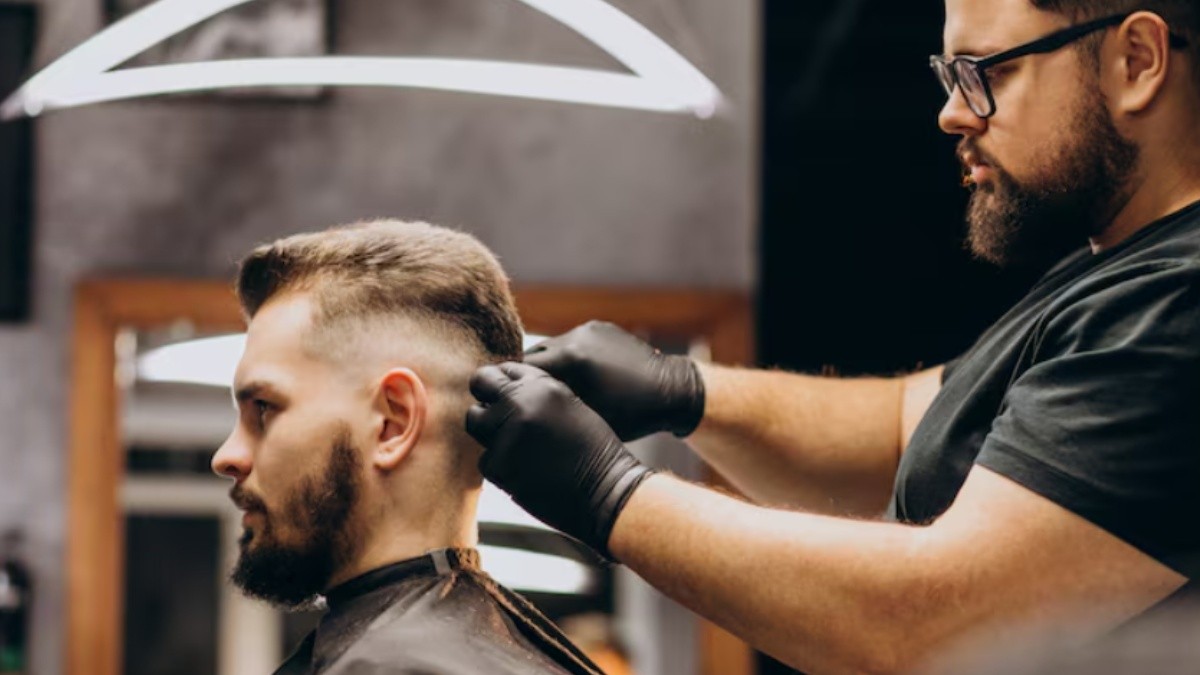
Create short videos showing different ways to apply a lipstick, style hair with a particular product or build a complete makeup look using a small collection of products.
Educational content can make your brand more useful while demonstrating the product's practical value.
3. Encourage User-Generated Content
Your customers can become some of your most effective marketers. Encourage buyers to share photographs, videos, reviews or tutorials featuring your product.
Create a simple branded hashtag and invite customers to participate. Always obtain appropriate permission before reposting their content.
Authentic customer experiences can help potential buyers understand how a product fits into everyday life.
4. Work With Micro-Influencers
Large celebrity endorsements can be expensive, but smaller creators can offer highly engaged audiences. Look for beauty creators whose content and audience genuinely match your brand.
A creator with a smaller but relevant following may generate more meaningful conversations than a much larger account with little connection to your target customer.
The partnership should also be transparent, with paid or gifted collaborations clearly disclosed.
5. Build a Beauty Challenge
Challenges can encourage people to interact with your product rather than simply look at an advertisement.
For example, a makeup brand could create a seven-day styling challenge, while a haircare company could develop a routine-based challenge. Keep the activity easy to understand and enjoyable enough for customers to share.
6. Show the Story Behind the Product
Consumers often want to know more than what a product does. They may also be interested in how it was developed, who created it and what values the brand represents.
Share behind-the-scenes content about packaging, product development, ingredient sourcing or the people working behind the brand.
A genuine brand story can make a product feel more personal.
7. Offer Interactive Quizzes
Create a simple online quiz that helps customers identify which product, shade or routine may suit their preferences.
For example, a skincare brand might ask questions about skin concerns and routine preferences. A makeup company could create a quiz around foundation shades or lipstick colours.
Interactive content can make the shopping experience more engaging while helping customers discover relevant products.
8. Use Seasonal Beauty Campaigns
Connect your marketing with occasions that naturally encourage beauty purchases. Weddings, festivals, holidays, summer travel and party seasons can provide opportunities for targeted campaigns.
Rather than simply offering a discount, create useful content around the occasion. A beauty brand could publish a festival makeup guide, bridal skincare checklist or summer haircare routine.
9. Create Educational Content
Beauty consumers often have questions about ingredients, application techniques and product selection. Answer those questions through blogs, videos, infographics and social-media posts.
Educational marketing can establish your brand as a helpful resource instead of making every piece of content feel like a sales pitch.
10. Turn Packaging Into a Marketing Tool
Beautiful, practical or memorable packaging can encourage customers to photograph and share their purchases.
Consider distinctive packaging that reflects your brand identity while remaining functional and environmentally responsible. Include a small thank-you message or QR code leading to tutorials, product information or your social channels.
11. Create a Loyalty Community
Instead of focusing exclusively on individual transactions, build a community around your brand. Offer loyal customers early access to new products, educational events, special content or opportunities to provide feedback.
Customers who feel genuinely connected to a brand are more likely to remain engaged over time.
12. Host Small Beauty Events
Consider organising workshops, product demonstrations or beauty sessions in collaboration with salons, spas, boutiques or local creators.
Physical events can give potential customers an opportunity to see and experience products before purchasing them.
13. Make Reviews Part of Your Strategy
Customer reviews can be highly influential when someone is deciding whether to try a new beauty product. Make it easy for verified customers to leave honest feedback.
Do not pressure customers to provide only positive reviews. Authenticity is more valuable than perfection, and responding professionally to criticism can demonstrate that your brand listens.
Market the Experience, Not Just the Product
Successful beauty marketing is ultimately about more than showing a bottle, lipstick tube or cream jar. It is about communicating the experience the product is designed to provide.
Creative tutorials, customer stories, educational content, micro-influencer partnerships and interactive campaigns can make a beauty brand more memorable. At the same time, transparent claims and authentic communication help build long-term trust.
The most effective strategy is often a combination of several approaches, tested consistently to discover what resonates with your particular audience. Instead of trying to be everywhere, focus on the platforms and communities where your potential customers genuinely spend their time—and give them a reason to keep coming back.




Comments 0