
Dermarolling is a skincare technique that uses a handheld device called a dermaroller, which contains numerous tiny needles on a rotating roller. When moved carefully across the skin, the needles create controlled microscopic punctures in the outer layers of the skin.
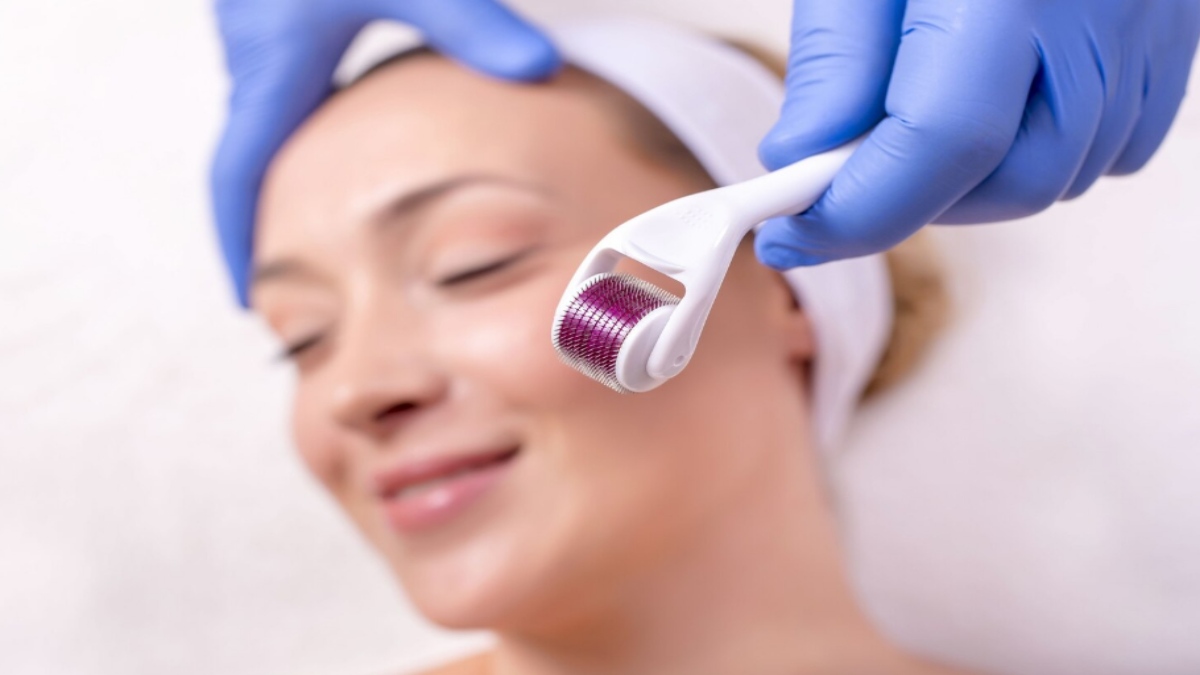
The technique is a form of microneedling, a procedure designed to stimulate the skin's natural healing response. This process may encourage the production of collagen and elastin, two proteins that help maintain skin strength, firmness and elasticity.
Dermarollers are widely available for home use, while professional microneedling treatments are performed by trained dermatologists or other qualified healthcare professionals using specialized equipment.
Related Articles


What Are the Potential Benefits of Dermarolling
One of the main reasons people try dermarolling is to improve overall skin texture. Controlled micro-injuries may stimulate the skin's repair process and, over time, potentially make the skin appear smoother.
Some people use dermarolling to address concerns such as:
- Uneven skin texture
- Fine lines and wrinkles
- The appearance of acne scars
- Enlarged-looking pores
- Certain types of superficial scars
- Reduced skin firmness
Professional microneedling has more established evidence for some of these concerns than at-home dermarolling. Results can also vary significantly depending on the needle depth, skin condition, technique and frequency of treatment.
Related Articles

Can Dermarolling Help With Acne Scars
Microneedling is sometimes used by dermatologists to improve the appearance of certain acne scars. The controlled injury can stimulate collagen production, which may gradually help remodel scarred skin.
However, not every type of acne scar responds in the same way. Deep or extensive scarring may require professional treatments or a combination of procedures.
People with active, inflamed acne should generally avoid rolling over affected areas because doing so can irritate the skin and potentially spread bacteria. A dermatologist can recommend the most appropriate treatment depending on the type of acne and scarring.
Is At-Home Dermarolling Safe
This is where caution is particularly important. At-home dermarolling is not equivalent to professional microneedling. Home devices may use shorter needles, but incorrect technique, inadequate cleaning or excessive pressure can cause irritation and skin damage.
Potential side effects include:
- Redness
- Swelling
- Skin sensitivity
- Irritation
- Minor bleeding
- Infection
- Post-inflammatory pigmentation changes
- Scarring
Using a dermaroller too frequently can also interfere with the skin's ability to recover.
Who Should Avoid Dermarolling
Dermarolling may not be appropriate for everyone. People with active skin infections, open wounds, significant inflammation or certain skin conditions should consult a healthcare professional before attempting microneedling.
It is also important to discuss the procedure with a dermatologist if you have a history of abnormal or raised scarring, significant pigmentation concerns or are using medications that could affect healing or bleeding.
Never use a dermaroller over broken, infected or irritated skin.
Important Dermarolling Safety Tips
If you are considering an at-home device, hygiene is extremely important. A dermaroller should be kept clean according to the manufacturer's instructions and should not be shared with another person.
Avoid applying harsh or irritating skincare products immediately after treatment unless specifically recommended by a healthcare professional. Newly treated skin can be more sensitive, so gentle skincare and sun protection are particularly important.
Do not assume that using a longer needle will produce better results. Deeper microneedling carries greater risks and is better left to trained professionals.
Dermarolling vs Professional Microneedling
Although the terms are sometimes used interchangeably, there are important differences. Professional microneedling is performed in a controlled clinical setting, where a trained practitioner can select an appropriate needle depth and technique for the individual's skin concerns.
At-home dermarollers are generally intended for less intensive use. They may provide limited benefits compared with professional treatment, while improper use can increase the risk of complications.
If your primary concern is significant acne scarring, wrinkles or uneven texture, speaking with a dermatologist is usually a safer way to determine whether microneedling is appropriate.
Does Dermarolling Really Improve Skin
Dermarolling can potentially contribute to smoother-looking skin, but it should not be viewed as a quick fix. Professional microneedling has stronger clinical support for certain cosmetic concerns than many home-use dermarolling techniques.
Results, when they occur, generally develop gradually because collagen remodeling takes time. Skin health also depends on basic habits such as daily sun protection, adequate moisturisation, gentle cleansing and avoiding unnecessary irritation.
Ultimately, whether dermarolling is "good" for your skin depends on your skin type, the problem you are trying to address, the device being used and how safely it is performed.


Comments 0