
How fit is your heart? You may not need sophisticated equipment to get a basic idea of how your body responds to physical activity. Simple observations such as how you tolerate a brisk activity, how quickly your heart rate settles afterward and whether you can speak comfortably during exercise can provide useful clues about your cardiovascular fitness.

One popular fitness challenge asks whether a person can climb around 60 stairs in 60 seconds. While stair climbing can be a convenient way to challenge the heart and lungs, it should not be treated as a medical test or a guarantee that your heart is healthy. Fitness depends on age, training, body composition, medications, underlying conditions and many other factors.
Here are three simple ways to think about cardiovascular fitness safely.
Related Articles
1. The Stair-Climbing Test
Climbing stairs is a form of aerobic activity that requires the heart, lungs and muscles to work together. A person who regularly exercises may be able to climb several flights at a steady pace without becoming excessively breathless.
The "60 stairs in 60 seconds" benchmark has gained attention because it provides a simple challenge that can be performed in an everyday setting. However, there is no universal stair-climbing score that can diagnose heart health.
Instead of focusing solely on completing a particular number of stairs, pay attention to how your body responds. Can you climb at a comfortable pace without unusual chest discomfort, dizziness or severe breathlessness.
Related Articles

If you are not accustomed to vigorous exercise, do not suddenly attempt a fast stair challenge. Start with a manageable pace and increase activity gradually.
2. Check How Quickly You Recover
Another useful observation is what happens after exercise. When you stop climbing stairs or performing another cardiovascular activity, your heart rate should generally begin to decline as your body recovers.
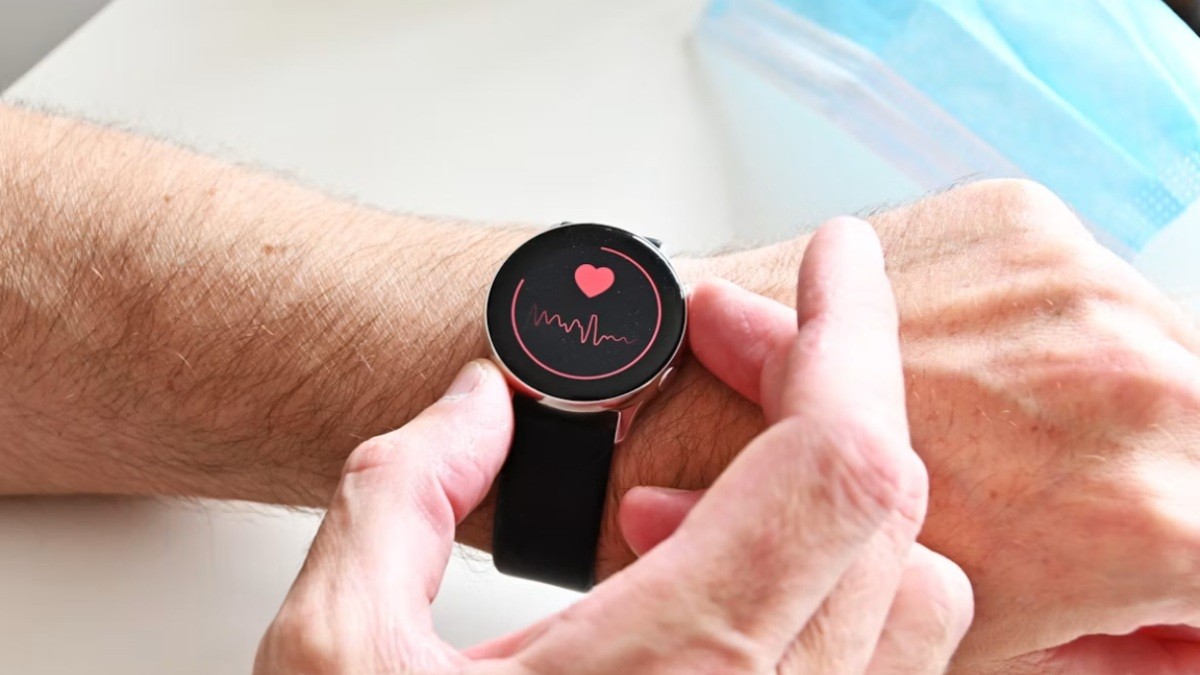
Heart-rate recovery can provide information about cardiovascular fitness, but interpreting it accurately requires standardised testing conditions and knowledge of your individual health situation. Fitness trackers and smartwatches can estimate heart rate, but these consumer devices are not substitutes for clinical assessment.
Rather than becoming overly focused on a single number, look at patterns over time. If an activity that previously felt easy suddenly causes significantly more breathlessness or fatigue, it may be worth discussing the change with a healthcare professional.
3. Try the Talk Test
The talk test is one of the simplest ways to estimate exercise intensity. During moderate-intensity activity, many people can talk but may find it difficult to sing comfortably.
If you can speak in complete sentences while walking briskly or exercising, the intensity may be moderate for you. If you are struggling to say more than a few words because you are extremely breathless, the activity is likely much more intense.
The talk test is particularly useful because it requires no equipment. However, it is not a diagnostic tool and individual responses vary.
What Do These Tests Actually Tell You
These simple activities primarily provide clues about exercise tolerance and fitness, rather than proving that your heart is healthy.
Someone may perform well on a stair challenge and still have a cardiovascular condition that requires medical evaluation. Conversely, someone who struggles with stairs may have reduced fitness, joint problems, lung disease, anaemia or another condition rather than a heart problem.
For this reason, fitness challenges should not replace routine medical check-ups, blood pressure measurements, cholesterol assessments or other investigations recommended by a healthcare professional.
Know the Warning Signs
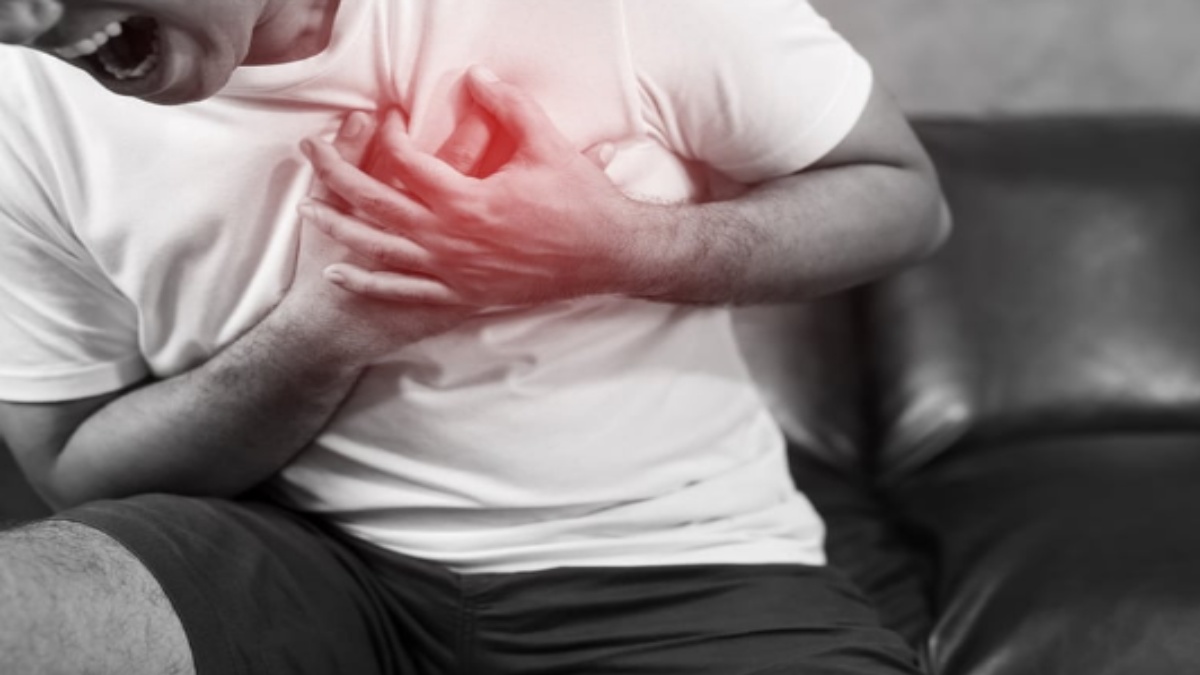
Exercise should be stopped and medical attention sought if you develop concerning symptoms such as chest pressure or pain, severe or unusual shortness of breath, fainting, significant dizziness or a racing or irregular heartbeat accompanied by concerning symptoms.
Anyone with known heart disease, significant cardiovascular risk factors or other medical conditions should speak with their healthcare professional before beginning vigorous exercise.
How to Improve Cardiovascular Fitness
You do not need to chase a viral fitness benchmark to strengthen your cardiovascular system. Regular physical activity is more important than completing a particular challenge.
Walking, cycling, swimming, dancing, jogging and other aerobic activities can contribute to cardiovascular fitness. Combining aerobic exercise with strength training can provide additional health benefits.
Start at a level appropriate for your current fitness and gradually increase the duration or intensity. Consistency is usually more valuable than occasional extreme workouts.
A heart-healthy lifestyle also includes a balanced diet, adequate sleep, stress management, avoiding tobacco and maintaining healthy blood pressure and cholesterol levels.
The 60-stairs-in-60-seconds challenge may be an interesting way to think about exercise capacity, but it is not a standalone test of heart health. Simple measures such as stair-climbing tolerance, recovery after activity and the talk test can offer general clues about fitness.
However, your ability to complete a fitness challenge does not rule out heart disease. If you experience unusual symptoms during exercise or have concerns about your cardiovascular health, seek professional medical advice rather than relying on an online fitness test.




Comments 0