
Heart disease is most common in older people, but cardiovascular problems can also affect younger adults. Doctors are now stressing the importance of identifying risk factors early, particularly as unhealthy diets, physical inactivity, smoking, stress, obesity and metabolic conditions become more common.
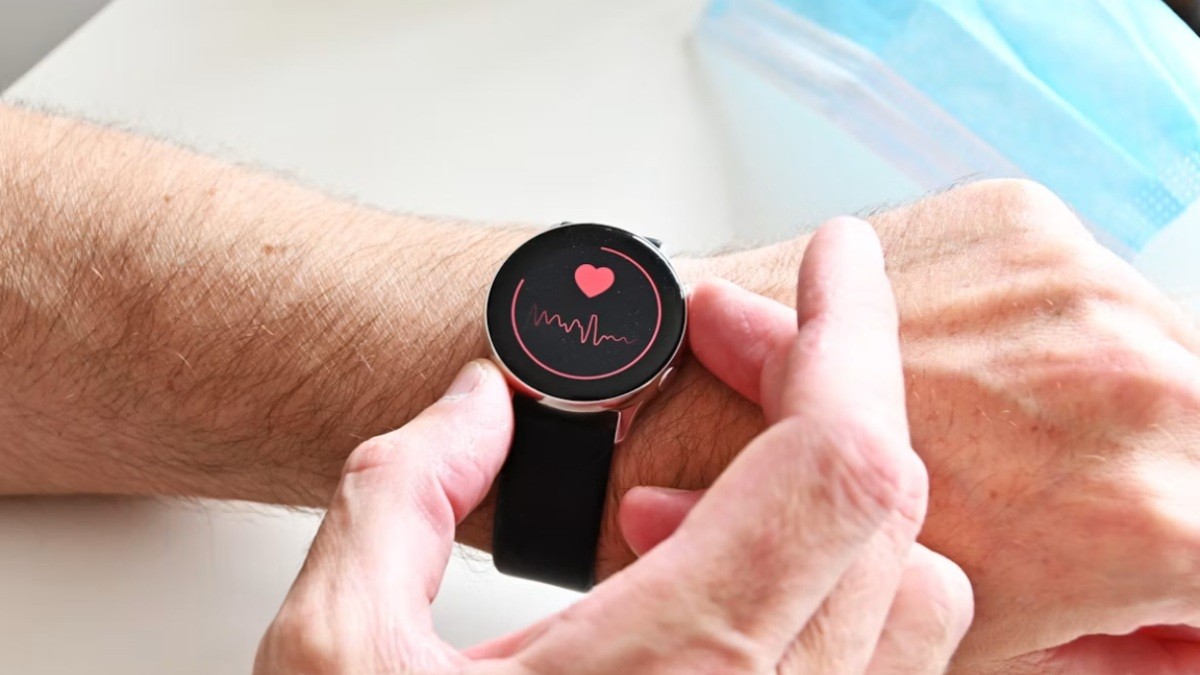
A recent report in The New Indian Express featured a man in his 40s who was running about five kilometres every morning but then found he was not able to do even one or two kilometres. He was also tired, breathless and heavy in the chest. “I think the loss of exercise capacity is an early sign of heart disease,” he said to his doctor.
The case is a great point: a sudden change in the amount of physical activity a person can comfortably do should not be dismissed as tiredness or ageing.
Related Articles


Sudden Drop In Exercise Capacity Can Be A Warning
Dr. Vijo George, consultant interventional cardiologist at Ernakulam General Hospital, warned that those who regularly exercise, run, or go to the gym should be concerned if their exercise capacity suddenly goes down. Early diagnosis of heart disease can allow doctors to assess the condition and begin appropriate treatment.
A person who has already covered a running distance comfortably but suddenly becomes breathless, unusually tired, or unable to keep up the same activity may need medical evaluation.
This isn’t to say that each episode of tiredness or breathlessness is a sign of heart disease. But a persistent or unexplained change, particularly if it is accompanied by chest discomfort or other signs or symptoms that are not well defined or unexplained, shouldn’t be ignored.
Related Articles

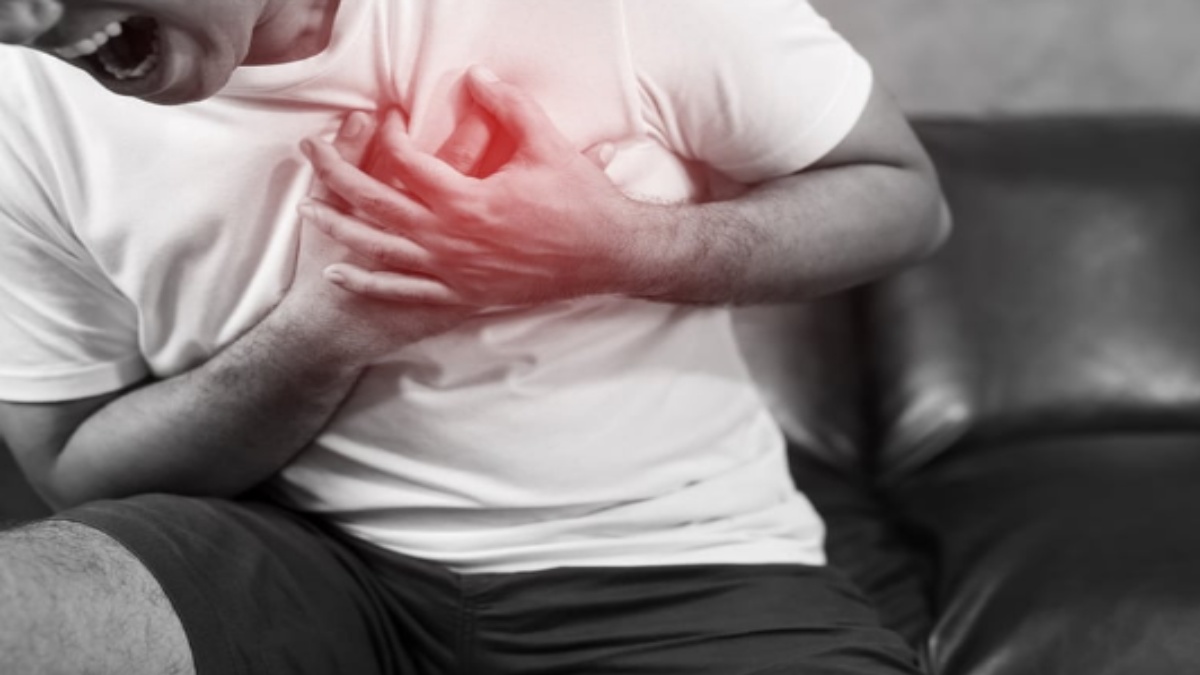
The World Health Organization says a heart attack occurs when blood flow to part of the heart muscle is suddenly blocked, most often because a blood clot forms around a ruptured fatty deposit in a coronary artery. It is a medical emergency that needs urgent treatment.
The Major Heart Attack Risk Factors
Several of the major risk factors can increase the risk of cardiovascular disease and heart attacks.
According to the WHO, these are tobacco use, unhealthy diet, physical inactivity, harmful alcohol use, overweight and obesity, high blood pressure, elevated blood glucose, and raised blood lipids.
High cholesterol, hypertension, increased blood sugar and smoking were also listed in a recent medical report by doctors as major conventional risk factors.
But not only is inactivity associated with cardiovascular risk but lack of regular movement can also contribute to obesity and metabolic problems. Stress and substance use may also add to the problem, especially in younger adults.
Some risk factors cannot be changed. Age, family history, and inherited susceptibility all affect cardiovascular risk even in a healthy life. Heart screenings have also pointed out that conditions like high blood pressure, high cholesterol, and elevated blood sugar can remain silent for years.
Do Not Ignore Unusual Symptoms
Chest pain or pressure is a well-known warning sign of a heart attack, but it is not the only symptom.
According to doctors reported by The New Indian Express, symptoms can also include shortness of breath, extreme fatigue, stomach or abdominal discomfort, and pain or discomfort in the jaw, neck or back.
In general, symptoms can differ in people. Women may also experience unusual tiredness, breathlessness, dizziness, shoulder pain, nausea or back and abdominal discomfort that can be mistaken for stress, indigestion or exhaustion, as reported in a separate report in The New Indian Express.
A further possible warning sign is chest discomfort that arises during exercise and gets better after resting. Doctors say that could be a sign of underlying coronary artery disease and needs to be treated.
A person should not wait for severe chest pain to seek help. Early identification and emergency medical care can greatly improve the chances of survival and recovery, WHO says.
Healthy Habits Can Lower The Risk
Lifestyle changes are crucial for reducing cardiovascular risk.
Regular physical activity, a healthy diet, quitting tobacco, weight loss, stress relief, and quality sleep are all good things people may need to do to ensure cardiovascular health is good for you.
Diet is really important. If unhealthy fats, salt, and sugar are removed from a person’s diet and more vegetables, fruits, and whole grains are added to the diet, cardiovascular health is likely to be better.
Another major preventable risk factor is smoking. Quitting tobacco can reduce cardiovascular risk, and avoiding exposure to tobacco smoke is important.
Physical activity does not necessarily mean doing gym exercises. Walking, cycling, swimming, recreational sports, and other regular activities will keep people active.
Control Blood Pressure, Sugar, And Cholesterol
Healthy lifestyle habits are very important but cannot substitute for medical treatment when a person has a diagnosed condition requiring medication.
High blood pressure, diabetes, and abnormal cholesterol levels can damage blood vessels and increase cardiovascular risk over time. WHO identifies raised blood pressure, blood glucose, and blood lipids as the major modifiable risk factors for heart attacks.
Doctors who have been quoted in the recent report also warned against stopping prescribed medicines and relying only on lifestyle changes when medication has been recommended to control blood pressure, cholesterol, or blood sugar.
Regular health checks may help find such largely silent conditions before they get worse. A doctor may recommend checking blood pressure, blood sugar, cholesterol, and other cardiovascular markers based on a person’s age, family history, and other risk factors.
Prevention Starts Before Symptoms Appear
One of the greatest challenges with cardiovascular disease is that significant risk can exist without obvious symptoms.
And so prevention shouldn’t start only after the first episode of chest pain. Healthy living habits, smoking less tobacco, staying physically active, and keeping hypertension, diabetes, and high cholesterol under control can help decrease cardiovascular risk.
Family history can also be discussed with a health professional, particularly if close relatives developed heart disease or heart attacks at a relatively young age.
More than anything else, a sudden change in exercise tolerance, unexplained breathlessness, persistent fatigue, or chest discomfort should not be attributed to stress or lack of sleep.
When a heart attack is suspected, emergency medical help should be sought immediately. Time is important because continuous interruption of blood flow can lead to irreversible damage to heart muscle.




Comments 0