
The heart is one of the most vital organs of the human body and pumps oxygen-rich blood at an hourly rate to our body. Good heart health is not only important for the long term but for our health as well. Cardiovascular diseases are still the most common causes of death worldwide, but many heart diseases can be prevented by healthy living and regular medical care.
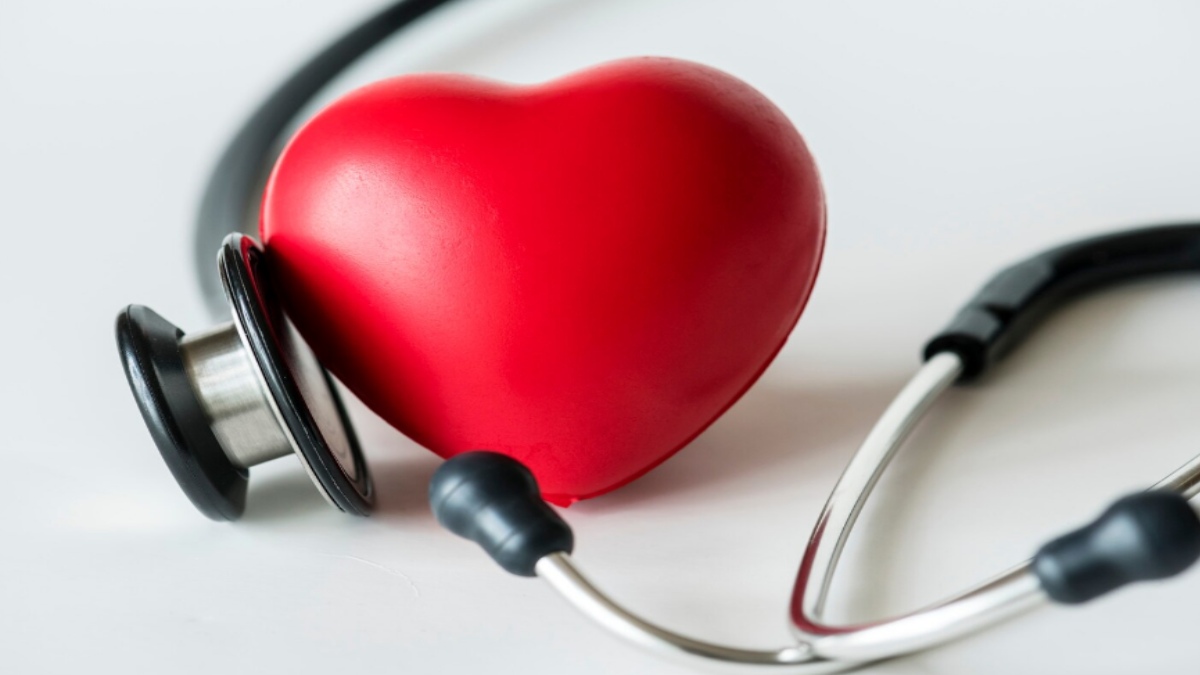
Whether you are in your twenties or your sixties, taking care of your heart now could drastically decrease your risk of heart disease, stroke, and other cardiovascular problems in the future.
Why Heart Health Matters
Your heart provides the oxygen and nutrients to every organ and tissue in the body. If unhealthy habits or underlying medical problems damage the heart or blood vessels, blood flow is cut low, and so is the risk of serious complications.
Related Articles
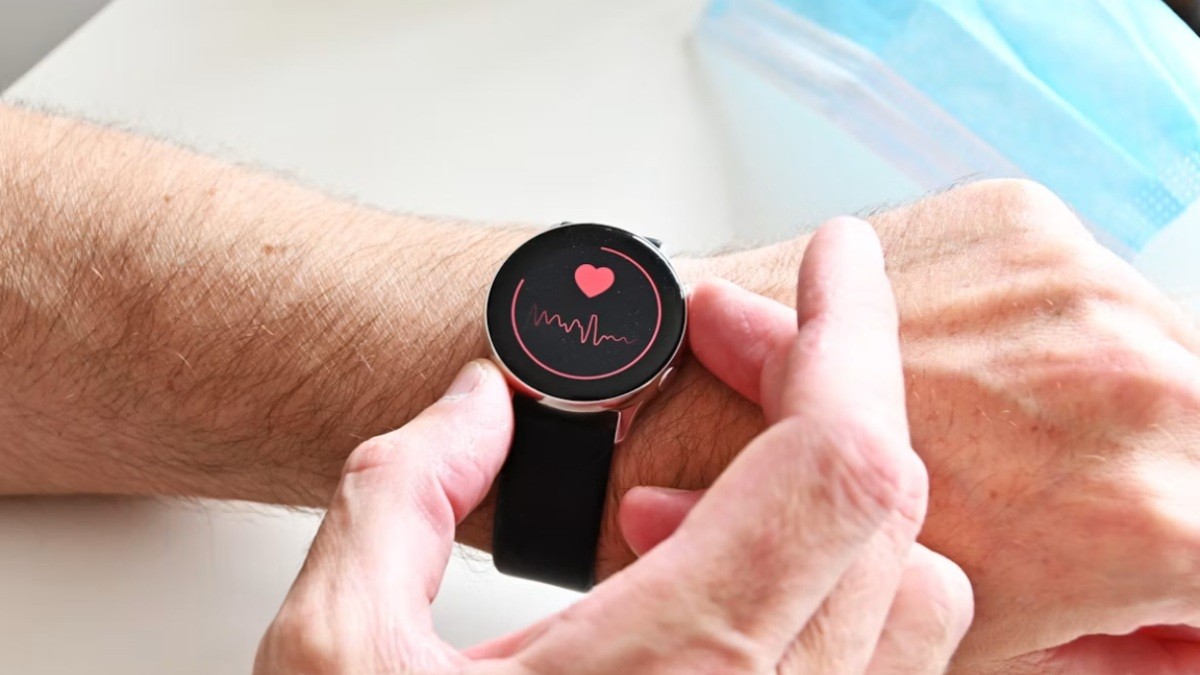

Common cardiovascular conditions include:
- Coronary artery disease
- Heart attack
- Stroke
- High blood pressure (hypertension)
- Heart failure
- Irregular heart rhythms (arrhythmias)
Much of these conditions develop slowly, and prevention and early detection are therefore very important.
Eat a Heart-Healthy Diet
Nutrition is very important for the heart. Healthy cholesterol, blood pressure, blood sugar, and body weight are all maintained if a healthy diet is taken.
Related Articles


Include more of these foods you eat in your meals:
- Fresh fruits and vegetables
- Whole grains such as oats, brown rice, and whole wheat
- Lean proteins such as fish, skinless poultry, beans, and lentils
- Healthy fats from nuts, seeds, avocados, and olive oil
- Low-fat dairy products
- Fiber-rich foods
Limit your intake of:
- Processed foods
- Sugary drinks
- Excess salt
- Saturated fats
- Trans fats
- Processed meats
Replacing unhealthy snacks with fruits or unsalted nuts is a simple step toward better heart health.
Stay Physically Active
So exercise is good for your heart and circulation and weight management.
Health experts recommend at least 150 minutes of moderate-intensity aerobic activity per week, such as:
- Brisk walking
- Cycling
- Swimming
- Dancing
- Jogging
Strength training at least twice a week can be of interest for cardiovascular health as well as the muscles’ strength and metabolism.
Even small changes taking the stairs, walking during breaks, or stretching regularly can make a positive difference.
Maintain a Healthy Weight
The risk of being overweight or obese increases high blood pressure, diabetes, and high cholesterol a risk factor for heart disease. A balanced diet, exercise, and healthy eating habits lead to weight loss over time.
Monitor Blood Pressure and Cholesterol
High blood pressure and high cholesterol are often not noticeable symptoms; hence, they are often referred to as “silent” health risks.
Regular health checks may catch problems early. If your healthcare provider says you have too high levels to be treated, you are recommended lifestyle changes, medication, or both, and the situation will get better.
Knowing your numbers allows you to take quick action.
Manage Blood Sugar
Diabetes greatly increases the risk of cardiovascular disease. You can keep blood sugar within your target range through good eating, exercise, and appropriate medical treatment for both your heart and blood vessels.
People with diabetes should have their healthcare team monitor their condition regularly.
Quit Smoking and Avoid Tobacco
Smoking damages blood vessels, reduces oxygen levels in the blood, and increases the risk of heart attack and stroke.
The most beneficial thing you'll be able to do for your cardiovascular health is to quit smoking. The benefits start in the immediate days of quitting and continue over time.
As a result, prevent exposure to secondhand smoke whenever possible.
Manage Stress Effectively
Chronic stress is bad for heart health, too, as it can contribute to unhealthy behaviors including overeating, smoking, sleeping poorly, or physical inactivity.
Healthy stress-management techniques include:
- Meditation
- Deep breathing exercises
- Yoga
- Time in nature
- Listening to music
- A chat with supportive friends or family
- Pursuing enjoyable hobbies
If stress becomes overwhelming, you should seek support from a mental health professional.
Heart health is sustained through daily habits, not quick fixes. Eating a healthy diet, being physically active, maintaining a healthy weight, managing stress, avoiding tobacco, and getting regular medical checkups help to build a healthy heart.
Even small lifestyle changes can have a lasting impact on your cardiovascular health. Making heart-healthy choices today will decrease your risk of heart disease and give you a life that is more active, energetic, and fulfilling.




Comments 0