
The heart disease remains one of the leading causes of illness and death worldwide. Although heart problems are commonly associated with sudden chest pain, not all heart conditions are immediate and it is not always the case that they are very obvious. In some cases, the early warning signs are too subtle and easy to ignore, leading to missed diagnosis and treatment.
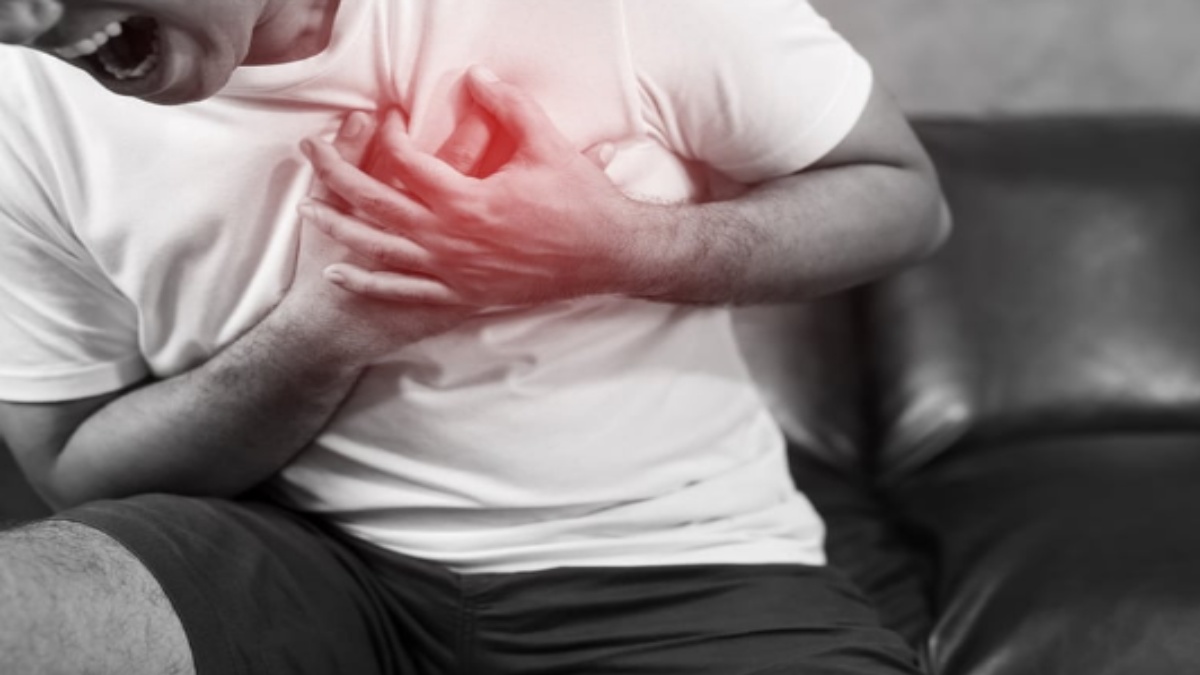
One symptom that is seldom noticed is persistent fatigue. Despite getting enough sleep when tired, the feeling very typically isn’t that of a busy life or lack of sleep. There are a million possible causes for fatigue, but sometimes it means that the heart is not pumping blood fast enough.
Health care providers see early signs of heart disease and are more likely to see patients and give them care when they begin to show symptoms of heart disease or respond to it. There are five symptoms that indicate heart disease which may be prevalent and require medical attention if they are new, persistent, or worsening.
Related Articles


1. Persistent or Unusual Fatigue
Fatigue is one of the most commonly overlooked symptoms of heart disease. Unlike normal tiredness after physical activity, heart-related fatigue may occur even after adequate rest or with minimal exertion.
When the heart cannot pump blood efficiently, muscles and organs may receive less oxygen-rich blood. This can leave you feeling drained during everyday activities such as climbing stairs, grocery shopping, or walking short distances.
Related Articles


Persistent fatigue can also be caused by anemia, thyroid disorders, sleep apnea, infections, mental health conditions, or certain medications. Because the causes are varied, ongoing or unexplained fatigue should be discussed with a healthcare professional.
2. Shortness of Breath
Difficulty breathing during routine activities or even while resting may be another warning sign of a heart condition.
If the heart is unable to circulate blood effectively, fluid may build up in the lungs, making breathing more difficult. Some people notice breathlessness while exercising, while others may experience it when lying flat or during the night.
Shortness of breath can also occur with asthma, chronic lung disease, allergies, or respiratory infections, making proper medical evaluation important.
3. Chest Discomfort or Pressure
Chest pain is one of the best-known symptoms of heart disease, but it doesn't always feel like a sharp pain. Many people describe it as:
- Pressure
- Tightness
- Heaviness
- Squeezing
- Burning
- Fullness
The discomfort may spread to the shoulders, arms, neck, jaw, or back.
Not all chest discomfort is related to the heart it may also result from acid reflux, muscle strain, or digestive issues. However, any new, severe, or persistent chest pain should be treated as a medical emergency.
4. Swelling in the Legs, Ankles, or Feet
Swelling, also known as edema, may occur when the heart cannot pump blood effectively. This can cause fluid to accumulate in the lower extremities.
You might notice:
- Tight shoes that suddenly feel uncomfortable
- Swollen ankles after minimal activity
- Puffiness around the feet
- Rapid weight gain due to fluid retention
While swelling has many possible causes, including kidney disease, liver disease, prolonged standing, or certain medications, persistent swelling should be evaluated by a healthcare provider.
5. Irregular Heartbeat or Heart Palpitations
Occasional awareness of your heartbeat after exercise or emotional stress is usually normal. However, frequent palpitations, a racing heartbeat, skipped beats, or fluttering sensations may indicate an abnormal heart rhythm (arrhythmia).
Some arrhythmias are harmless, while others require treatment to reduce the risk of complications such as stroke or heart failure.
If irregular heartbeats are accompanied by dizziness, fainting, chest pain, or shortness of breath, seek immediate medical attention.
Who Is at Higher Risk
Several factors increase the likelihood of developing heart disease, including:
- High blood pressure
- High cholesterol
- Diabetes
- Smoking
- Obesity
- Physical inactivity
- Family history of heart disease
- Older age
- Chronic stress
- Excessive alcohol consumption
Managing these risk factors through healthy lifestyle habits and regular medical check-ups can significantly improve heart health.
How to Protect Your Heart
Maintaining cardiovascular health involves a combination of healthy daily habits:
- Eat a balanced diet rich in fruits, vegetables, whole grains, lean proteins, and healthy fats
- Exercise regularly, aiming for at least 150 minutes of moderate-intensity physical activity per week, or as recommended by your healthcare provider
- Maintain a healthy body weight
- Avoid smoking and limit alcohol consumption
- Manage stress through relaxation techniques, meditation, or yoga
- Get adequate sleep each night
Monitor blood pressure, cholesterol, and blood sugar levels regularly
Persistent fatigue may seem like a minor complaint, but in some cases it can be an early indicator of an underlying heart condition. Along with shortness of breath, chest discomfort, swelling, and irregular heartbeats, it deserves attention particularly if symptoms are new, worsening, or occur together.




Comments 0