
Bhaum Pradosh Vrat holds a special place among the Pradosh fasting days dedicated to Lord Shiva. In 2026, this significant observance falls on Tuesday, August 25, during the auspicious month of Sawan. The combination of Pradosh Vrat, the sacred Sawan month and Tuesday makes the occasion particularly important for devotees seeking the blessings of Lord Shiva and, traditionally, Lord Hanuman and Mangal-related energies associated with Tuesday.

Pradosh Vrat is observed on Trayodashi Tithi, the 13th day of the lunar fortnight. The most important period for worship is Pradosh Kaal, the evening period around sunset. Devotees believe that worshipping Shiva during this time is especially auspicious and offers an opportunity to pray for peace, prosperity, family wellbeing and spiritual growth.
When Is Bhaum Pradosh Vrat 2026
Bhaum Pradosh Vrat will be observed on August 25, 2026 (Tuesday). It falls during the Krishna Paksha Trayodashi of the Sawan month in calendars that follow the North Indian Purnimanta lunar system.
Related Articles

The exact beginning and ending time of Trayodashi Tithi and the precise Pradosh Kaal depend on the location because Hindu lunar timings are calculated according to local sunrise and sunset. Therefore, devotees should check a reliable local Panchang for city-specific puja timings.
The most important period for the vrat is the Pradosh Kaal in the evening, when devotees traditionally perform Shiva puja.
Why Is It Called Bhaum Pradosh
Pradosh Vrat is named according to the weekday on which it occurs. When Pradosh falls on a Tuesday, it is known as Bhaum Pradosh. The word “Bhaum” is associated with Mars, or Mangal, and Tuesday is traditionally connected with this planetary energy.
Related Articles

As a result, Bhaum Pradosh is considered particularly significant for prayers concerning courage, strength, obstacles and determination. Devotees may also worship Lord Hanuman on Tuesday alongside their Shiva prayers.
The observance becomes even more meaningful when it falls during Sawan, a month traditionally considered highly sacred for Lord Shiva. Sawan is associated with devotion, fasting, Abhishekam and visits to Shiva temples.
Spiritual Significance of Sawan Pradosh
Sawan is one of the most important months for Shiva devotees. Throughout the month, devotees offer water, milk, Bilva leaves and flowers to Shiva Lingas while reciting mantras and prayers.
Pradosh Vrat adds another layer of devotion because the evening worship is specifically associated with Lord Shiva's grace. Devotees believe that sincere prayers and disciplined fasting can help remove negativity, encourage inner peace and strengthen their spiritual connection.
Bhaum Pradosh is therefore viewed as an opportunity to combine the devotional significance of Sawan with the traditional importance of Tuesday and Pradosh worship.
Bhaum Pradosh Vrat Rituals
Devotees generally begin the day by waking early, bathing and wearing clean clothes. Those observing the fast may take a vow to follow the vrat according to their health and family tradition.
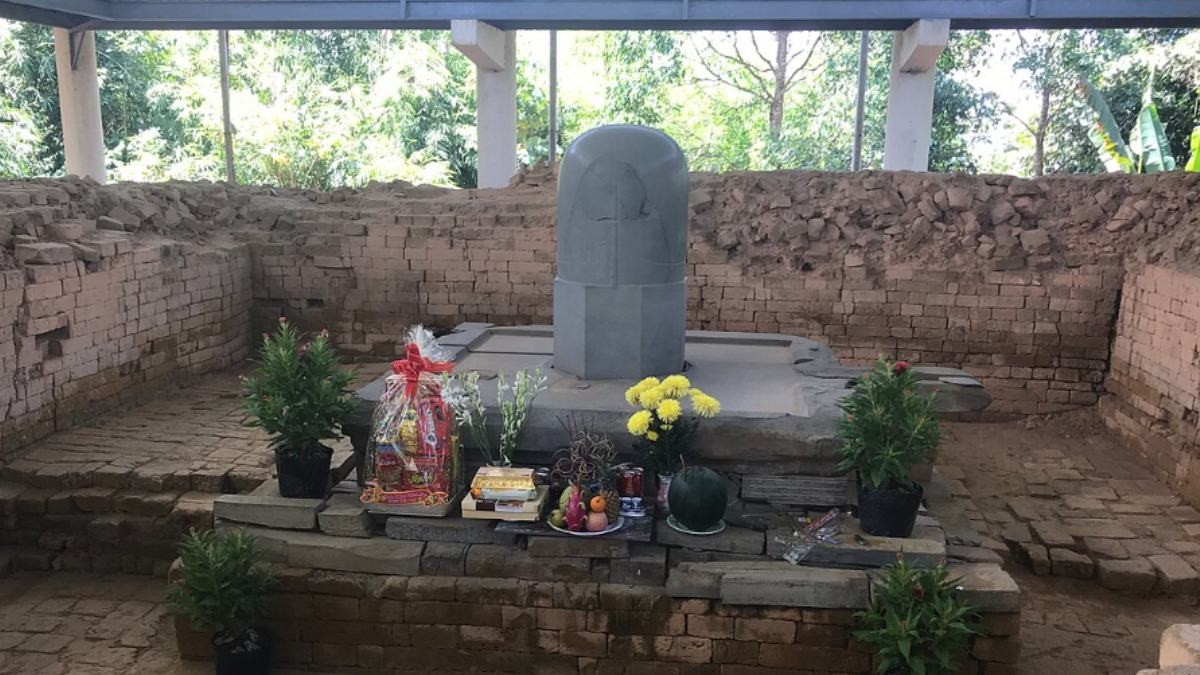
A Shiva puja can be performed at home or in a temple, particularly during Pradosh Kaal. The Shiva Lingam may be respectfully offered water and other traditional items. Common offerings include Bilva leaves, flowers, sandalwood, fruits and incense.
Devotees may chant “Om Namah Shivaya” and recite Shiva-related prayers. Some also listen to or recite the Shiva Purana, Rudrashtakam, Shiva Chalisa or other devotional texts according to their tradition.
After completing the evening puja, devotees may conclude the fast according to their family customs and the guidance of their chosen Panchang.
What Do Devotees Eat During the Fast
Fasting practices vary considerably between families and regions. Some devotees observe a complete fast, while others consume fruits, milk, water or specially prepared vrat foods.
Common fasting foods can include fruits, nuts, milk, yoghurt and preparations made with ingredients traditionally permitted during Hindu fasting. Devotees should choose a fasting method appropriate for their health and circumstances rather than undertaking an extreme fast without professional advice.
Pregnant women, older adults, children and people with medical conditions should consult an appropriate healthcare professional before making significant changes to their diet or fasting routine.
Simple Shiva Puja at Home
A simple home puja can begin by cleaning the prayer area and placing an image or Shiva Lingam respectfully. Devotees can light a diya and incense before offering water and traditional puja materials.
Bilva leaves are especially associated with Shiva worship. Devotees may offer them while chanting “Om Namah Shivaya.” The evening prayer can conclude with an aarti and a moment of quiet reflection.
The emphasis of the observance is traditionally placed on devotion, sincerity and self-discipline rather than the number or cost of offerings.
The Importance of Devotion and Self-Discipline
Bhaum Pradosh Vrat is more than simply a fasting day. For many devotees, it is an opportunity to slow down, reflect and dedicate time to prayer. The observance encourages discipline while creating space for spiritual reflection.
As Bhaum Pradosh 2026 falls during Sawan, devotees may consider the day an especially meaningful opportunity to seek Lord Shiva's blessings, cultivate patience and focus on positive intentions.
The exact Trayodashi Tithi and Pradosh Kaal timings vary by location, so devotees should verify the local Panchang before beginning their puja. Regardless of regional differences in customs, the central spirit of Bhaum Pradosh remains devotion to Lord Shiva, sincere prayer and mindful observance.



Comments 0