
Lord Shiva (or Mahadev) is a holy figure in Hindu religion. Shiva is worshipped through prayer, meditation, Abhishekam and other ways. Monday, which is Somvar, is a holy day for Shiva worship.
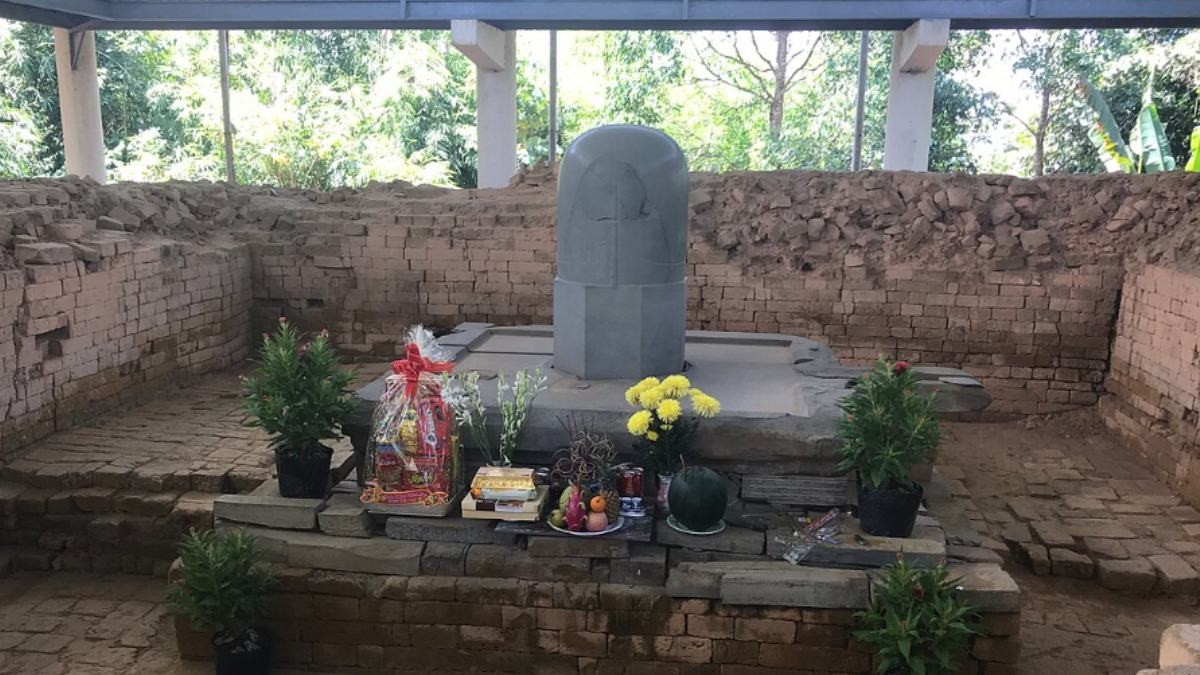
Devotees frequently offer water, milk, Bilva leaves and flowers to the Shivling. But ghee is also made as an offering in some traditions. In a traditional religion, ghee with devotion is considered auspicious and is associated with peace, happiness and prosperity.
It is important to remember that these benefits are based on religious faith and traditional beliefs rather than scientifically proven effects.
Related Articles


Why Do Devotees Offer Ghee to Shivling?
Ghee or clarified butter has a place in many Hindu religious rituals. It is also a part of Panchamrit, which is often made up of milk, curd, ghee, honey and sugar.
Ghee is considered sacred in many Hindu traditions and in Shiva worship some of the devotees have made ghee. To them ghee is a symbol of purity, love, and prayer for Lord Shiva.
For many devotees, the ritual is more than a physical offering. Praying, chanting mantras and maintaining a focused mind are very much part of worship.
Related Articles

Religious Beliefs with Ghee Offering
Traditional beliefs link Shiva worship to peace, meditation and spiritual strength. People that give ghee to the Shivling on Monday will be doing so as a way to pray for happiness, prosperity and peace in their lives.
These religious and astrology-based traditions also associate such offerings with removing negative influences and encouraging positive energy.
But these interpretations can differ from region to region, family tradition to spiritual practice. They should be seen as matters of faith, not guaranteed outcomes.
Which Mantras Can Be Chanted?
Mantra chanting is a crucial part of Shiva worship. One of the most commonly recited mantras is “Om Namah Shivaya.” Devotees can chant it while offering ghee, performing Abhishekam or meditating on Lord Shiva.
Another key prayer in Shiva worship is the Mahamrityunjaya Mantra.
Mahamrityunjaya Mantra
“Om Tryambakam Yajamahe
Sugandhim Pushtivardhanam |
Urvarukamiva Bandhanan
Mrityor Mukshiya Maamritat ||”
According to the spiritual tradition of the devotees, the mantra is recited during Shiva Puja, meditation or Abhishekam. The mantra is associated with Lord Shiva and is considered to be a great prayer in the Hindu tradition.
The number of repetitions and method of chanting can vary. Devotees may follow the practices taught by their family, temple or spiritual teacher.
Why is Monday special for Shiva worship?
Traditionally, Monday is considered a special day for Lord Shiva. Many devotees go to Shiva temples on Somvar and perform Abhishekam, offer Bilva leaves and flowers, and chant Shiva mantras.
Some of the devotees also have a Monday fast as part of their religious practice. That is often the day of prayer, meditation and reflection.
For those who follow the ghee-offering tradition, Monday can be one of the best days to perform a simple Shiva Puja and be peaceful.
What are the believed benefits?
In Hinduism, giving ghee to Shivling is associated with several spiritual and symbolic benefits.
- Peace of mind
- Happiness and spiritual contentment
- Prosperity and abundance
- Positive thoughts and energy
- Greater devotion toward Lord Shiva
- Emotional and spiritual strength
- A stronger sense of discipline through regular prayer
These are traditional beliefs and are not scientifically proven effects. The spiritual value of the practice is dependent on the devotee’s faith and personal religious tradition.
How should devotees approach the Ritual?
Shiva Puja does not necessarily have to be elaborate. Devotees can start with a clean and peaceful mind, offer prayers and chant a Shiva mantra as their tradition.
As devotees perform the ritual, they may chant Om Namah Shivaya or recite the Mahamrityunjaya Mantra. In many Hindu traditions, the focus is on sincere devotion rather than the material value of the offering.
The exact method of Abhishekam and offerings can differ between temples and communities. So devotees should follow the customs of their particular tradition.
Devotion is at the Heart of Shiva Worship
Ghee offering to the Shivling on Monday is a practice of some devotees as a part of Shiva worship. Besides ghee, water, milk, Bilva leaves and other traditional offerings can also be used.
Shiva Puja is ultimately based on faith, devotion, discipline and inner peace. Somvar is an opportunity to remember Mahadev, chant sacred mantras, and pray.
Whether the ritual is simple or elaborate, many devotees believe that the most important part of seeking Lord Shiva’s blessings is genuine worship and a calm heart.



Comments 0