
Onam is one of Kerala's most celebrated festivals, bringing together traditions, family gatherings, colourful decorations, delicious food and cultural performances. Although deeply associated with Kerala, Onam is celebrated by Malayali communities across India and around the world. The festival is known for its joyful atmosphere and its message of prosperity, togetherness and equality.
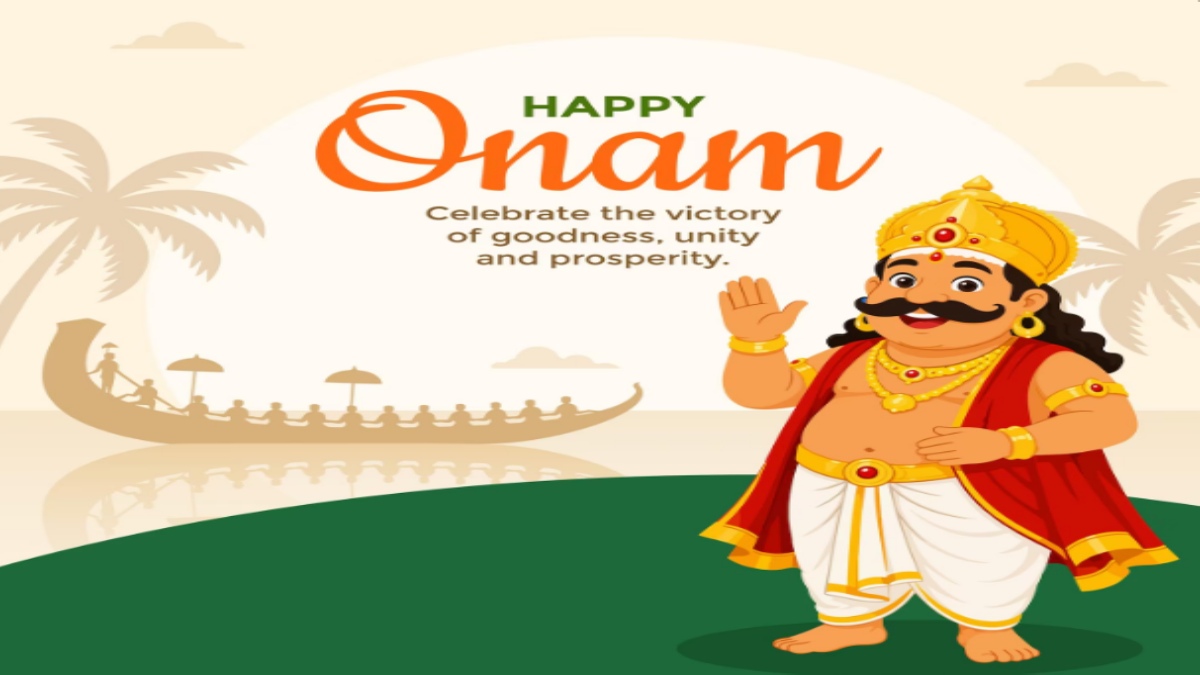
Whether you are celebrating Onam for the first time or want to understand its traditions better, this guide covers the festival's history, significance, customs, food and popular celebrations.
What Is Onam
Onam is a harvest festival traditionally celebrated in Kerala during the Malayalam month of Chingam, which generally falls between August and September. The festival lasts for several days, with Thiruvonam considered the most important day.
Related Articles


Onam is closely associated with the legendary King Mahabali, who is remembered in Kerala folklore as a generous and beloved ruler. The festival is traditionally connected with his annual return to visit his people.
The Legend of King Mahabali
According to popular tradition, Mahabali was a powerful and generous king whose reign was considered a golden period of prosperity and equality. His popularity is said to have made the gods concerned about his growing influence.
Lord Vishnu is believed to have appeared before Mahabali in the form of Vamana, a dwarf Brahmin. Vamana requested as much land as he could cover in three steps. Mahabali agreed to the request.
Related Articles
Vamana then assumed a gigantic form and covered the earth and heavens with two steps. When there was nowhere left for the third step, Mahabali offered his own head. Pleased by his devotion and generosity, Vishnu granted him permission to visit his people once every year.
Onam is traditionally associated with this homecoming.
Why Is Onam Important
Onam represents more than a religious or mythological story. For many people, it is a celebration of Kerala's cultural identity, agricultural traditions, family relationships and community spirit.
The festival encourages people to come together, prepare traditional food, decorate their homes and participate in cultural activities. The idea of welcoming Mahabali is often reflected in the effort to make homes beautiful and festive.
Pookalam: The Floral Carpet
One of the most recognisable Onam traditions is the pookalam, a decorative arrangement made using flower petals. Families create colourful circular patterns at the entrance of their homes throughout the festival.
Pookalams can range from simple designs created with a few flowers to elaborate patterns featuring multiple layers and intricate motifs. Making a pookalam can also become a family activity, with children and adults working together to design the arrangement.
The Traditional Onam Sadya
No Onam celebration is complete without the famous Onam Sadya. Traditionally served on a banana leaf, Sadya is a large vegetarian feast featuring numerous dishes.
Depending on the region and household, the meal may include rice, sambar, avial, thoran, olan, pachadi, kichadi, pickles, banana chips, papad and several varieties of payasam.
The meal is not simply about food. Preparing and sharing Sadya is an important part of the communal spirit of Onam.
Vallam Kali and Cultural Celebrations
Vallam Kali, or traditional snake boat racing, is another spectacular part of Kerala's festive culture. Long boats filled with rowers compete in energetic races accompanied by traditional songs and enthusiastic crowds.
Other Onam celebrations can include traditional music, dance performances, games and cultural programmes. Pulikali, a colourful folk performance in which participants paint themselves like tigers, is particularly associated with Onam festivities in parts of Kerala.
Traditional Clothing During Onam
Onam is also an opportunity to wear traditional Kerala clothing. Women often choose kasavu sarees or traditional Kerala-style outfits featuring cream or white fabric with golden borders. Men may wear traditional mundu and shirts or other festive attire.
The classic white-and-gold combination has become strongly associated with Onam and is often seen during family gatherings and cultural events.
How People Decorate Their Homes
Homes are commonly decorated with fresh flowers, pookalams, traditional lamps and other festive elements. A nilavilakku, or traditional oil lamp, may be placed in an important area of the home.
Simple decorations can create a beautiful festive atmosphere without requiring significant spending. Flowers, diyas, banana leaves, brass vessels and handmade decorations can all be incorporated into Onam décor.
Celebrating Onam Today
Modern Onam celebrations combine traditional customs with contemporary lifestyles. Families living away from Kerala may celebrate through virtual gatherings, community events or smaller home-based Sadya meals.
Schools, workplaces and cultural organisations also organise Onam programmes, allowing people from different backgrounds to experience Kerala's traditions.
The Spirit of Onam
At its heart, Onam is about welcoming, sharing and togetherness. The festival brings people closer through food, family traditions, cultural performances and community celebrations.
From the beauty of a pookalam and the glow of a traditional lamp to the elaborate Onam Sadya and the excitement of Vallam Kali, every element contributes to the festival's unique character.
For those celebrating, Onam offers an opportunity to reconnect with cultural roots and family traditions. For those discovering the festival for the first time, it provides a fascinating glimpse into Kerala's rich heritage and enduring sense of community.




Comments 0