
The fourth and final Shravan Somwar of 2026 falls on August 24, bringing devotees to the concluding Monday of the Sawan month in traditions that observe four Sawan Mondays. Shravan, also known as Sawan, is one of the most spiritually significant months for devotees of Lord Shiva. Mondays during this period are especially important, as devotees observe fasting, visit Shiva temples and offer prayers seeking blessings, peace and prosperity.
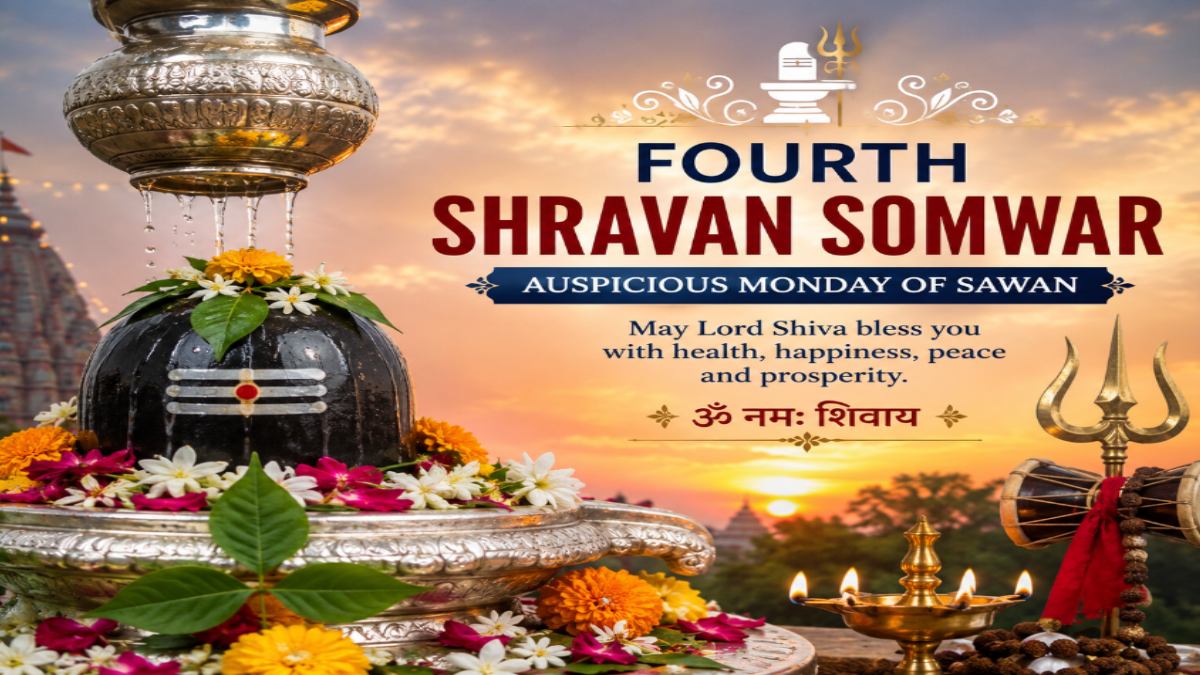
The final Sawan Monday holds a special emotional and spiritual significance because it marks the culmination of a month dedicated to devotion and worship of Lord Shiva. For devotees who observed the previous Mondays with fasting and prayers, the fourth Somwar becomes an opportunity to complete their religious observances with faith and gratitude.
Why Is Shravan Somwar Important
Monday is traditionally associated with Lord Shiva, and Mondays during Shravan are considered especially auspicious by many Shiva devotees. The month of Shravan is closely connected with several important stories and traditions associated with Shiva worship.
Related Articles


Devotees believe that sincere prayers offered to Lord Shiva during this sacred period can bring spiritual strength and blessings. Many people observe a Somwar vrat, or Monday fast, as an expression of devotion. The nature of fasting varies from person to person and according to family and regional traditions.
For some devotees, the day is also a time for introspection, self-discipline and maintaining a peaceful state of mind rather than focusing only on material wishes.
What Makes the Fourth Sawan Monday Special
The fourth Shravan Somwar is particularly significant because it represents the final Monday of the month for devotees following a four-Somwar observance. It can be seen as the completion of a devotional journey that began with the first Monday of Sawan.
Related Articles
The concluding Somwar offers devotees an opportunity to express gratitude for the month-long period of prayer. Those who have been observing fasts may perform their final puja with special devotion, while others may simply visit a temple or offer prayers at home.
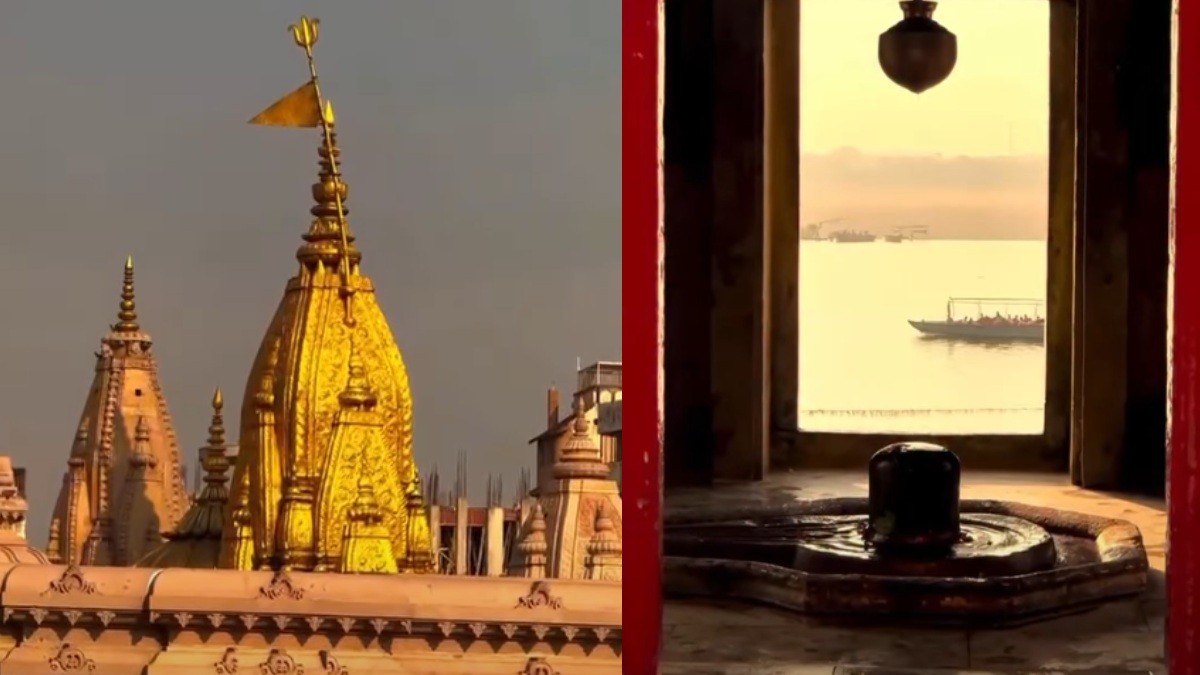
For many families, the final Monday is also a time to come together and participate in traditional rituals. The atmosphere at Shiva temples can become especially devotional, with devotees chanting prayers and offering flowers, fruits and water to the Shivling.
Common Rituals on Shravan Somwar
Devotees may begin the day by taking a bath and wearing clean clothes before starting their prayers. Some observe a complete fast, while others follow a fruit-based or single-meal fast depending on their tradition and health requirements.
A central part of Shiva worship is abhishekam, the ritual bathing of the Shivling. Water is commonly offered, while some traditions also use milk and other permitted offerings. Devotees may offer bilva leaves, flowers, fruits and other items associated with Shiva puja.
Chanting the “Om Namah Shivaya” mantra is another important practice. The five-syllable mantra is widely associated with Shiva devotion and may be repeated during meditation or throughout the day's prayers.
Devotees may also read or listen to Shiva-related scriptures and devotional stories. Visiting a Shiva temple is considered especially meaningful, although sincere worship at home is also practised by many families.
The Spiritual Meaning of Fasting
Fasting during Shravan Somwar is not simply about avoiding food. For many devotees, it represents discipline, devotion and self-control. The practice can provide an opportunity to reduce distractions and dedicate more time to prayer and reflection.
However, fasting should be approached responsibly. People with medical conditions, pregnant women, older adults, children and individuals taking certain medications may need different dietary arrangements. Religious observances should not come at the expense of health, and those with health concerns can follow guidance from their doctor while maintaining their spiritual practices in an appropriate way.
Shiva Worship and the Monsoon Season
Shravan occurs during the monsoon season in much of India, creating a distinctive cultural and spiritual atmosphere. Many temples are decorated during the month, and devotees undertake pilgrimages to important Shiva shrines.
One of the most famous traditions is the Kanwar Yatra, in which devotees known as Kanwariyas collect sacred water and offer it at Shiva temples. While practices vary across regions, the month as a whole is marked by heightened devotion, temple visits and religious gatherings.
The connection between Shravan and Shiva is deeply rooted in Hindu tradition, and the month has become an important period for spiritual practices across different communities.
A Day for Prayer and Reflection
The last Sawan Monday can also be viewed as a reminder of the values associated with Shiva worship—devotion, patience, inner strength and detachment from unnecessary negativity. For devotees, the significance of the day goes beyond rituals and offerings.
The concluding Somwar can be a time to reflect on the month that has passed, express gratitude and seek strength for the future. Many devotees believe that sincere devotion matters more than elaborate rituals and that prayers offered with a pure heart hold special value.
As the fourth Shravan Somwar of 2026 arrives on August 24, Shiva devotees across India and elsewhere will mark the sacred occasion through fasting, temple visits, abhishekam, mantra chanting and prayers. For those observing the entire Sawan period, the final Monday carries the special meaning of completion.
Ultimately, the last Sawan Monday is considered special not merely because it concludes the series of Somwars, but because it gives devotees a chance to bring together a month of faith, discipline and spiritual reflection. With prayers of “Har Har Mahadev” and “Om Namah Shivaya”, devotees seek Lord Shiva's blessings for peace, strength, wellbeing and a purposeful life.




Comments 0