
Krishna Janmashtami 2026 is one of the most important Hindu festivals dedicated to Lord Krishna, the eighth incarnation of Lord Vishnu. Devotees observe the festival with fasting, prayers, devotional singing, Bhagavad Gita recitations and midnight worship to celebrate the divine birth of Krishna.
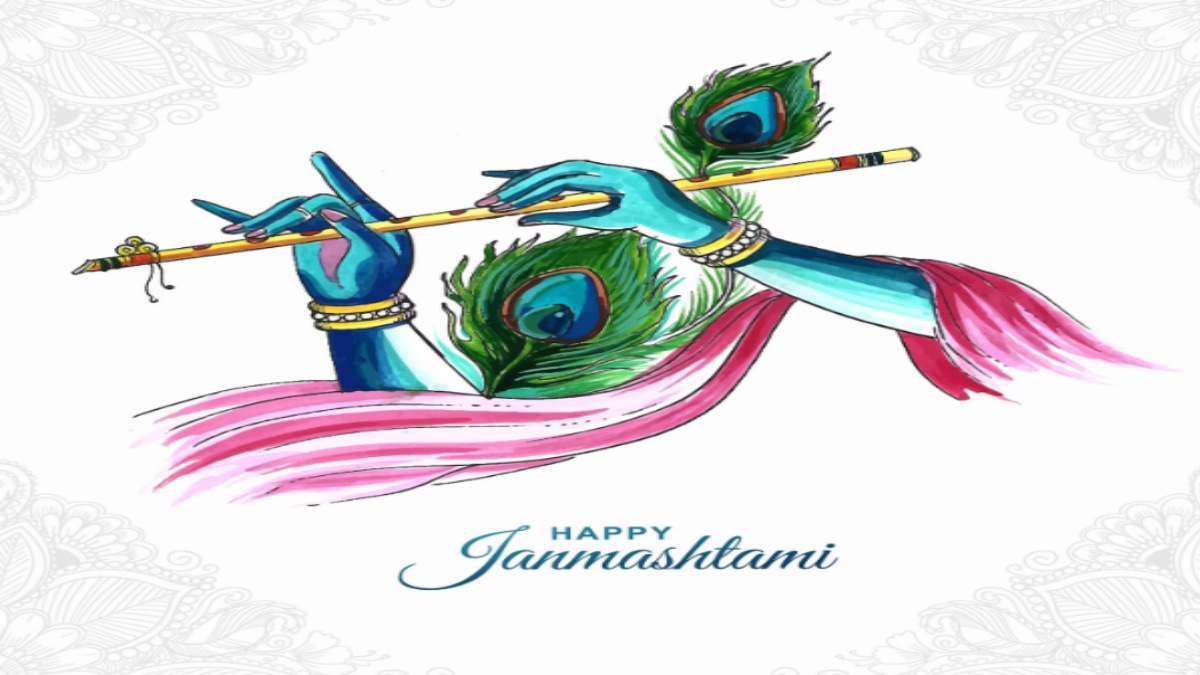
In 2026, Janmashtami will be observed on Friday, September 4, 2026, across much of India. Since Hindu festivals are determined according to lunar tithis, the exact puja and fasting timings can differ slightly depending on the city and local sunrise and sunset calculations.
Janmashtami 2026 Date
Festival: Krishna Janmashtami
Date: Friday, September 4, 2026
Main celebration: Midnight of September 4-5
Parana: Saturday, September 5, 2026, after the prescribed fasting period
Related Articles


Devotees traditionally wait until midnight to perform the main puja because Lord Krishna is believed to have been born at midnight in Mathura.
Janmashtami 2026 Nishita Kaal
The Nishita Kaal is considered the most significant period for Janmashtami worship because it represents the midnight period associated with Lord Krishna's birth.
For New Delhi, the Nishita Kaal is approximately 11:57 PM on September 4 to 12:43 AM on September 5. The exact window may vary according to location.
Related Articles
Devotees who are observing a traditional Janmashtami fast generally perform the birth celebration during this period. The idol or image of baby Krishna may be bathed, dressed in new clothes and decorated with jewellery and flowers.
Janmashtami Puja Muhurat
The main Janmashtami puja is traditionally performed during Nishita Kaal. Devotees prepare a small altar for Lord Krishna and decorate it with flowers, peacock feathers, lamps and colourful fabrics.
The midnight worship may include:
- Bathing the Krishna idol with Panchamrit
- Offering new clothes and ornaments
- Applying sandalwood paste
- Offering flowers and Tulsi leaves
- Lighting diyas and incense
- Offering fruits and sweets
- Singing Krishna bhajans
- Performing aarti
- Offering homemade prasad
Devotees may also place a cradle or jhula for the infant Krishna and gently swing the idol after the midnight birth ceremony.
Janmashtami Fasting Rules
Fasting is an important part of Janmashtami observance. However, fasting practices differ between families, regions and Hindu traditions.
Some devotees observe a strict fast without grains and cereals, while others follow a phalahar diet consisting of fruits, milk, nuts and permitted fasting foods.
Common fasting foods can include fruits, milk, yoghurt, makhana, potatoes, sabudana and foods prepared with fasting-approved flours or ingredients.
Foods containing regular grains, cereals and certain pulses are generally avoided during traditional vrat observance. Many devotees also avoid onion and garlic during the fast.
Those observing a strict fast should consider their health before doing so. Pregnant women, children, older adults and people with medical conditions should not undertake prolonged or restrictive fasting without appropriate medical advice.
What Time Can You Eat on Janmashtami
The time for breaking the Janmashtami fast, known as Parana, depends on the tradition being followed.
For many devotees, the fast is broken after midnight worship and after the appropriate tithi has ended. In some traditions, however, devotees continue the fast until sunrise or until the next day's prescribed Parana time.
This distinction is important because Parana is not necessarily the same for every devotee. Different Vaishnava traditions can follow different rules based on the lunar tithi, sunrise and local religious calculations.
Janmashtami 2026 Parana Time
For devotees following the traditional Smarta calculation, Parana is generally performed on Saturday, September 5, 2026, after the prescribed fasting conditions are fulfilled.
The precise Parana window depends on the location and the tradition being followed. Devotees should therefore check a local Hindu calendar or Panchang for their city before breaking the fast.
Those following a specific Vaishnava tradition should follow the fasting and Parana rules prescribed by their sampradaya or temple.
Why Is Janmashtami Celebrated at Midnight
According to Hindu tradition, Lord Krishna was born at midnight in Mathura to Devaki and Vasudeva. His birth took place during a difficult period when his maternal uncle, King Kansa, had imprisoned his parents.
The traditional story describes how Vasudeva carried the newborn Krishna across the Yamuna River and took him to Gokul, where he was raised by Nanda and Yashoda.
The midnight celebration symbolically marks the moment of Krishna's divine appearance. Temples and homes often come alive with bells, conch shells, devotional songs and chants such as “Hare Krishna” and “Jai Shri Krishna.”
Janmashtami Rituals at Home
Families celebrating Janmashtami at home can create a simple devotional setup. Clean the prayer area, decorate it with flowers and place a Krishna idol or image on a decorated platform.
A small cradle decorated with flowers can be prepared for Bal Gopal. Devotees may offer butter, mishri, fruits, sweets and Tulsi leaves.
At midnight, families can perform the Krishna abhishekam, dress the deity, offer bhog and perform aarti. Reading or listening to stories from Krishna's life is another meaningful way to observe the festival.
Significance of Janmashtami
Janmashtami represents the triumph of divine consciousness, righteousness and hope over evil and injustice. Krishna's teachings, particularly those found in the Bhagavad Gita, emphasize performing one's duty, maintaining faith and remaining detached from the fruits of action.
The festival is therefore not only a celebration of Krishna's birth but also an opportunity for devotees to reflect on his teachings and incorporate compassion, devotion and righteousness into everyday life.
Krishna Janmashtami 2026 will be celebrated on Friday, September 4. The main worship takes place around midnight during the Nishita Kaal, marking the traditional birth time of Lord Krishna. Devotees may observe a vrat, prepare special bhog, decorate Krishna's cradle and participate in midnight prayers.
Because Janmashtami timings are based on the lunar calendar, Nishita Kaal, tithi and Parana timings can vary by city and religious tradition. Devotees should check their local Panchang for the most accurate timings before beginning or ending their fast.
Whether celebrated through an elaborate temple ceremony or a simple prayer at home, Janmashtami is a time for devotion, joy and remembering Lord Krishna's timeless message of faith, duty and righteousness.




Comments 0