
Navratri is one of the most sacred Hindu festivals, dedicated to goddess Durga and divine feminine energy known as Shakti. Sharad Navratri 2026 begins on October 11 and nine days of worship will be held through October 19 and Vijayadashami on October 20. Devotees pray, fast, sing devotional songs and perform traditional rituals for this festival.
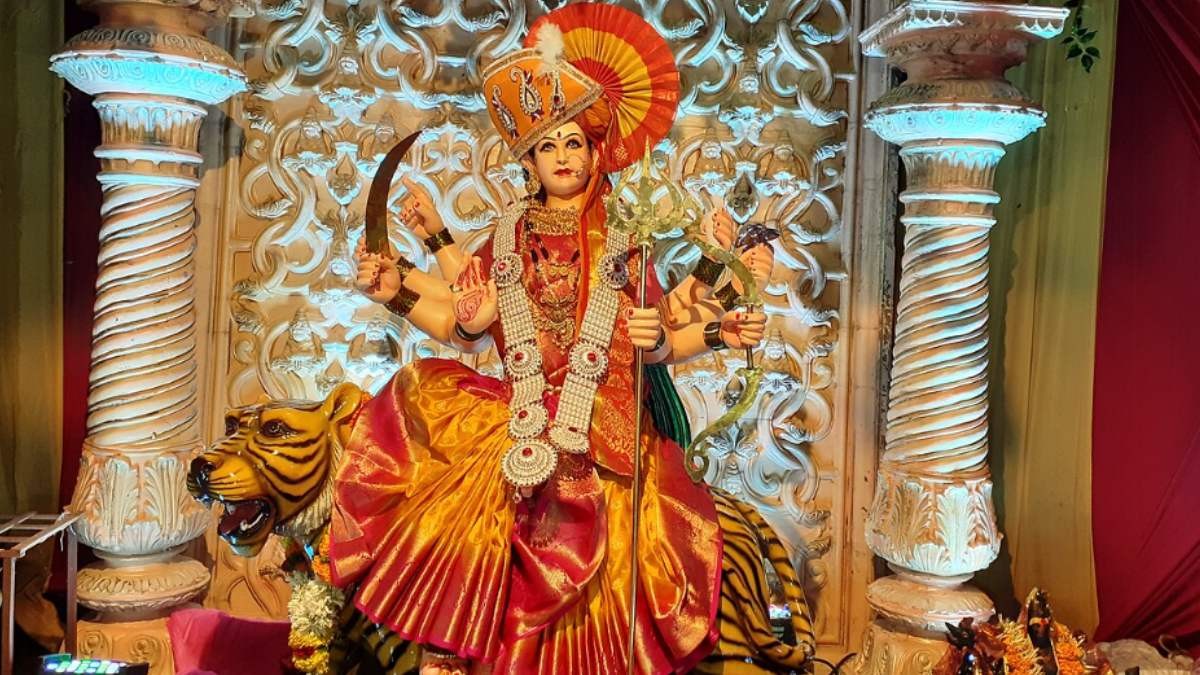
In these nine days, the devotees worship the nine forms of Maa Durga, collectively known as Navadurga. Each form is the manifestation of a different spiritual quality (courage, devotion, wisdom, compassion and inner strength). They help people to know that their gods have given us goodness, and they all say that we can do it.
1. Maa Shailaputri: The Goddess of Strength.
Maa Shailaputri, the daughter of mountains, is worshipped on the first day. She is the epitome of strength, stability and close relationships with nature. Her worship encourages devotees to remain rooted in their beliefs and begin their spiritual journey with faith.
Related Articles
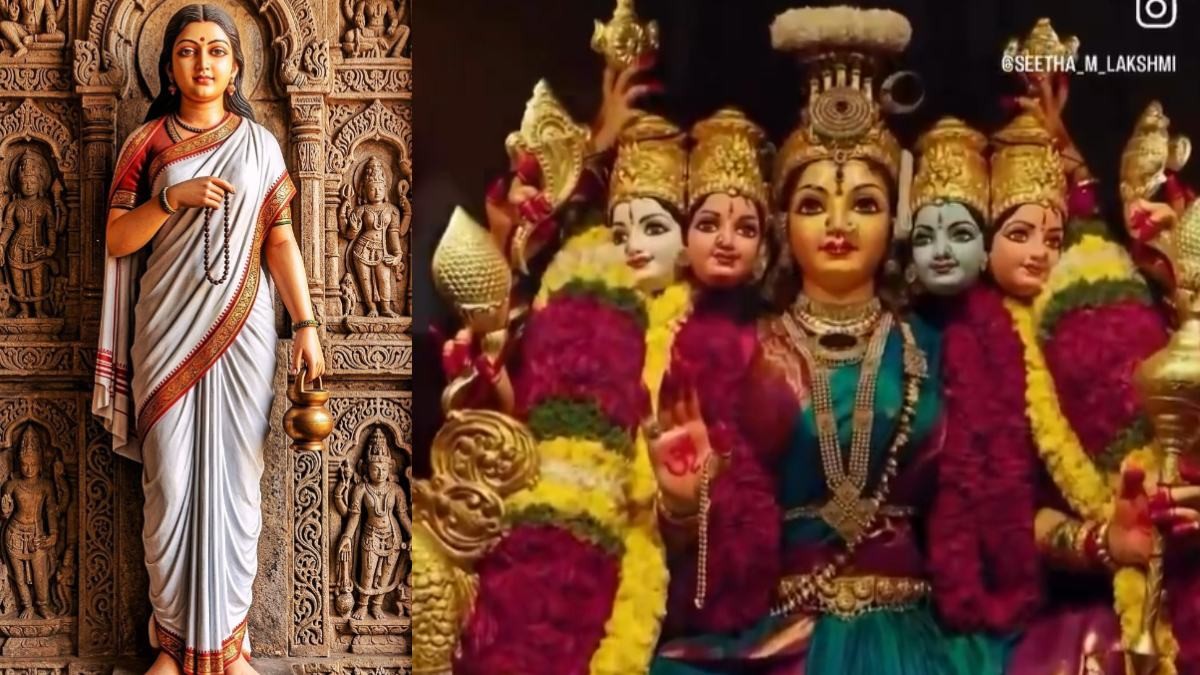
2. Maa Brahmacharini: The Goddess of Devotion
Maa Brahmacharini represents dedication, discipline and penance. She teaches devotees patience and genuine spiritual practice. Her form reminds people that their faith grows through perseverance, self-control and commitment to a higher purpose.
3. Maa Chandraghanta: The Goddess of Courage
Maa Chandraghanta is associated with bravery, protection and readiness to confront evil. Her name comes from the crescent-shaped bell on her forehead. Devotees take her blessing for courage, peace of mind and the strength to overcome fear.
4. Maa Kushmanda: The Goddess of Creation.
Maa Kushmanda represents creative energy and the power that sustains the universe. Her name is associated with the cosmic creation of the universe. Spiritually, she reminds us to welcome positivity, nurture creativity and recognize the divine energy present in life.
Related Articles

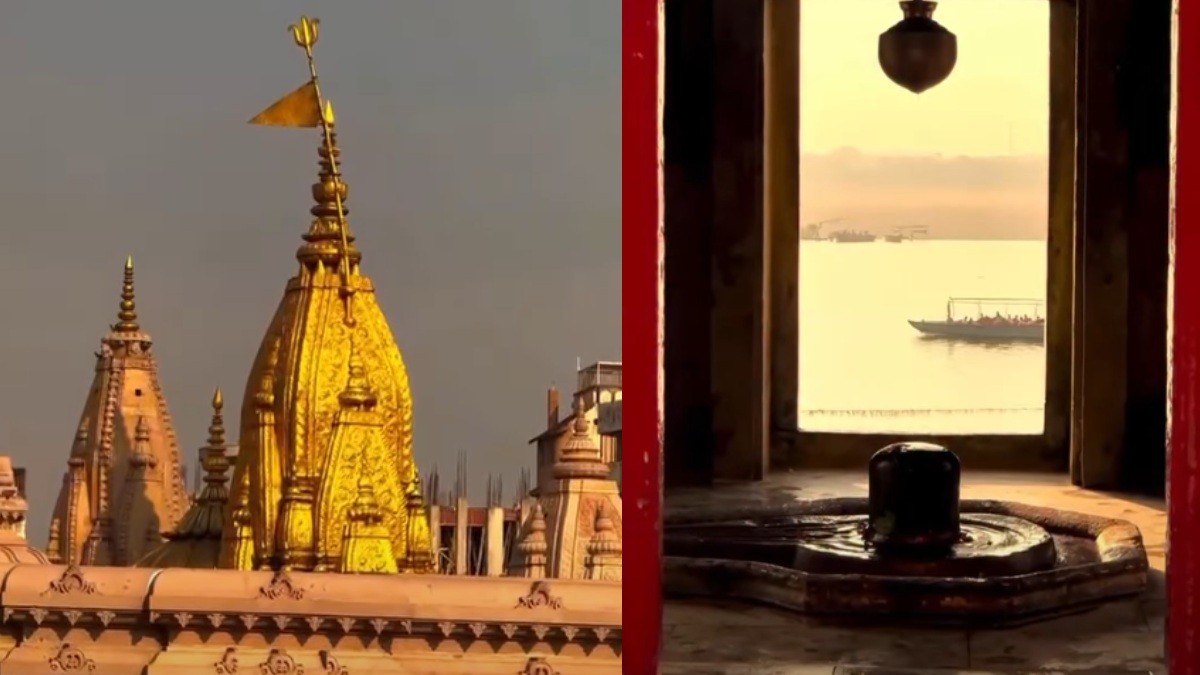
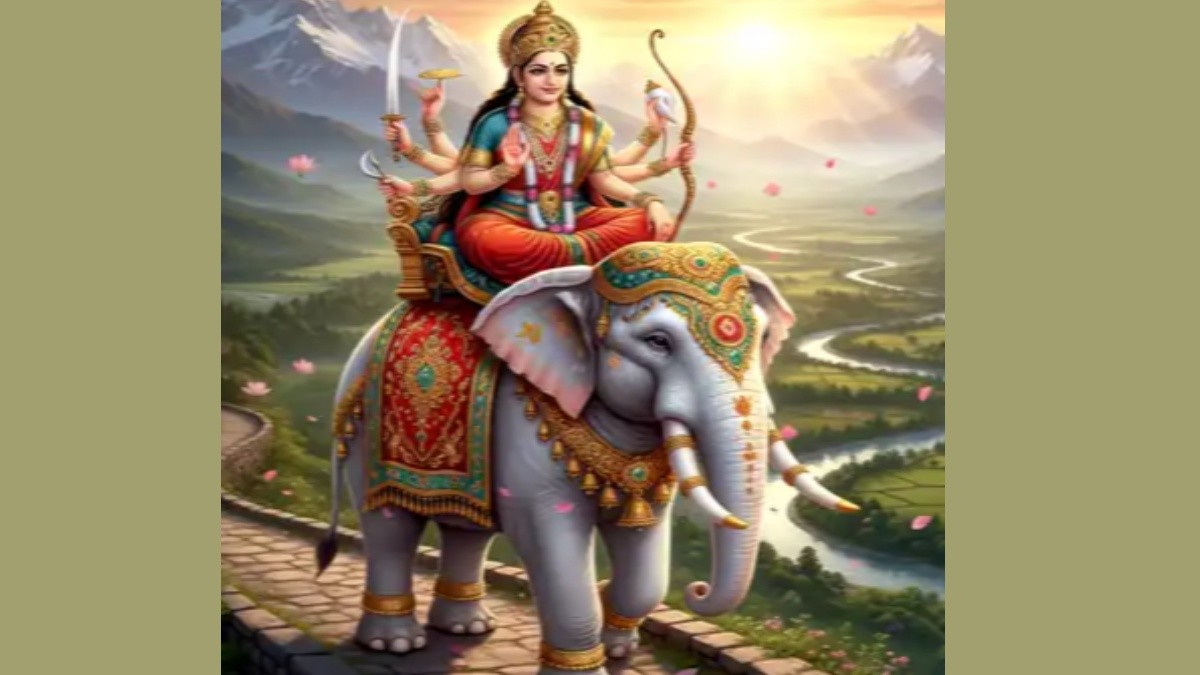
5. Maa Skandamata: The Goddess of Motherhood.
Maa Skandamata, the mother of Lord Skanda, represents maternal love, compassion and protection. She highlights the sacred nature of motherhood and selfless care. She inspires devotees to show kindness and offer support to those who need it.
6. Maa Katyayani: The Warrior Goddess.
Maa Katyayani symbolizes courage, justice, and the power to overcome negative influences. She stands for the determination needed to stand against injustice and protect righteousness. Devotees pray to her for strength, confidence and the ability to face life's challenges.
7. Maa Kalaratri: The Goddess Who Removes Fear.
Maa Kalaratri is the fierce form of the Divine Mother that is associated with the destruction of darkness and the removal of fear. With an intimidating appearance, she is worshipped as a loving protector. She inspires devotees to confront ignorance and develop courage during difficult times.
8. Maa Mahagauri: The Goddess of Purity.
Maa Mahagauri represents purity, serenity and spiritual renewal. Her peaceful form denotes the cleansing of negative thoughts and the desire for compassion. Devotees look to her for inner peace, forgiveness and a renewed sense of faith.
9. Maa Siddhidatri: The Goddess of Spiritual Fulfilment.
Maa Siddhidatri is worshipped on the ninth day of Navratri. She is associated with spiritual accomplishments, wisdom and divine blessings. Her form represents the culmination of the nine-day spiritual journey that inspires devotees to seek humility, understanding and a deeper connection with the divine.
The spiritual significance of Navratri
The nine forms of Maa Durga offer more than a sequence of religious observances. They represent qualities that devotees can cultivate in everyday life: stability, discipline, courage, creativity, compassion, justice, fearlessness, purity and wisdom.
Navratri also celebrates the victory of good over evil. Through prayer, meditation, fasting according to personal capacity and acts of kindness, devotees spend this sacred period to reflect on their thoughts and actions.
Conclusion: Nine Forms, One Divine Mother
The nine forms of Maa Durga all express the same divine feminine power. Each form carries spiritual messages that can guide devotees towards a more peaceful, courageous and compassionate life.
As Navratri 2026 approaches, devotees can honour Maa Durga not only through rituals but also through sincere intentions, respect for others and efforts to overcome negativity within themselves. The festival is ultimately a celebration of faith, inner transformation, and the eternal triumph of light over darkness.



Comments 0