
The second day of Navratri is dedicated to Goddess Brahmacharini, the second form of Goddess Durga. She symbolizes devotion, patience, wisdom and the strength to remain committed to one's spiritual path. Devotees worship her so that we can pursue inner peace, courage and the determination to overcome difficulties in life.
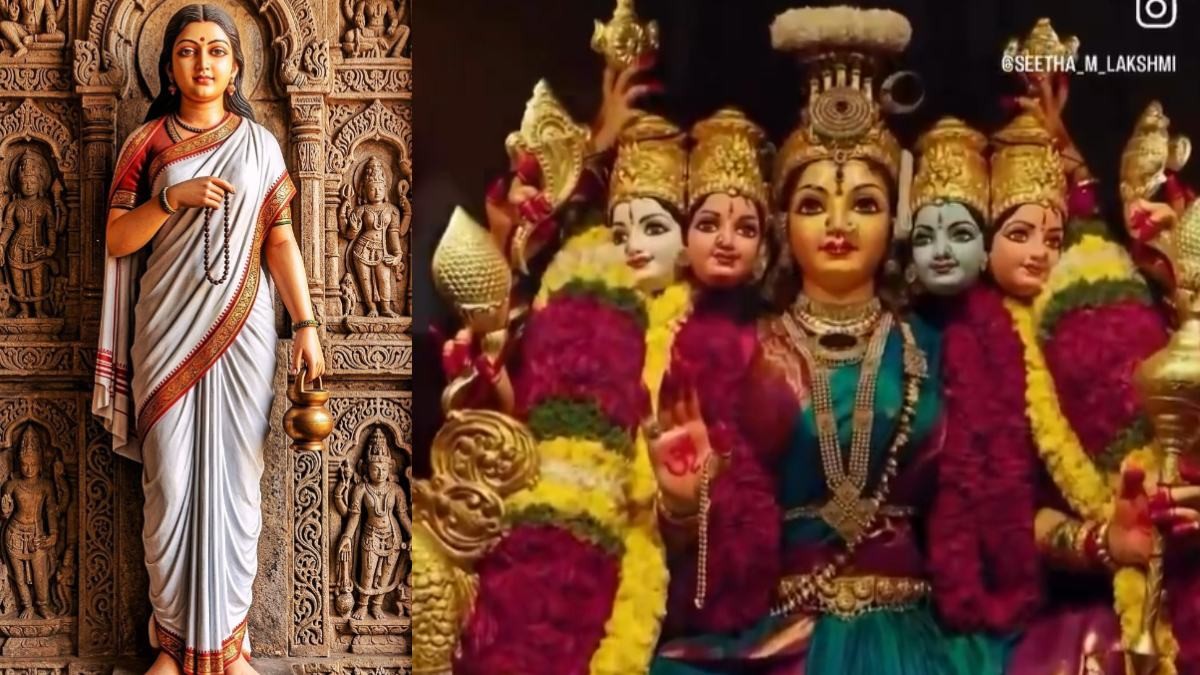
Sharad Navratri 2026 began on October 11 and the second day is on October 12. In these nine sacred days, devotees honour the nine forms of Goddess Durga with prayers, fasting, meditation and traditional rituals.
Who is Goddess Brahmacharini?
Goddess Brahmacharini is associated with penance, discipline and unwavering devotion. She, in Hindu theory, undertook a great amount of penance to win Lord Shiva as her husband. Her dedication is a symbol of patience and the commitment to being faithful to one’s purpose.
Related Articles
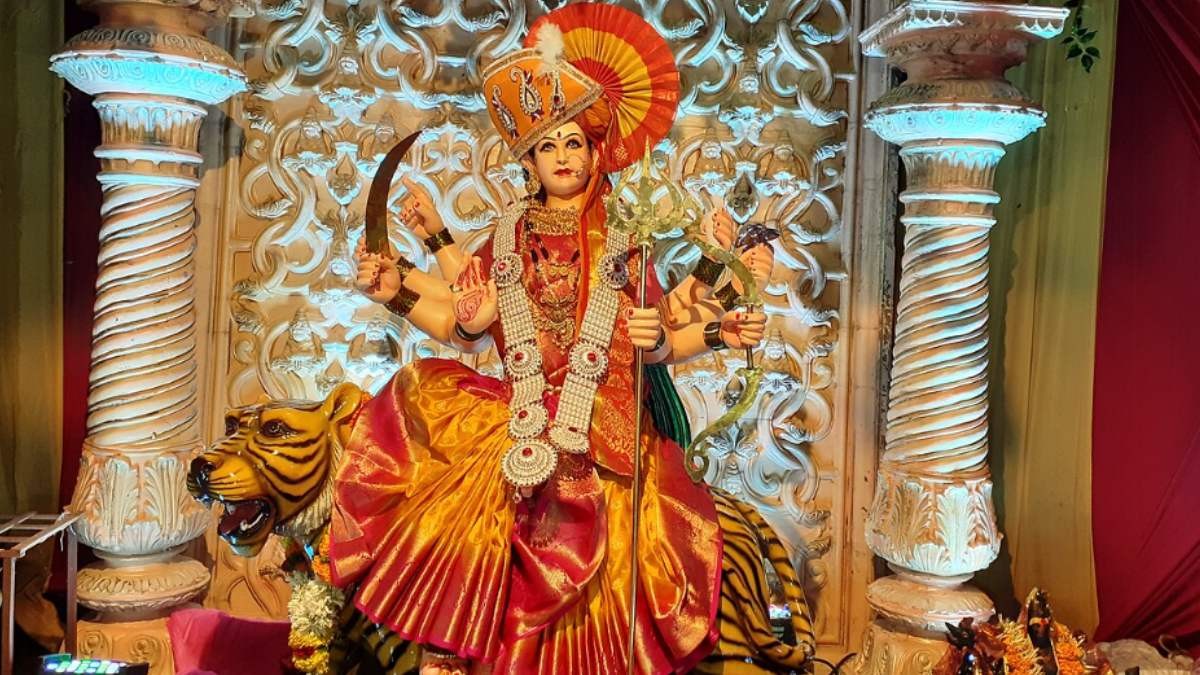
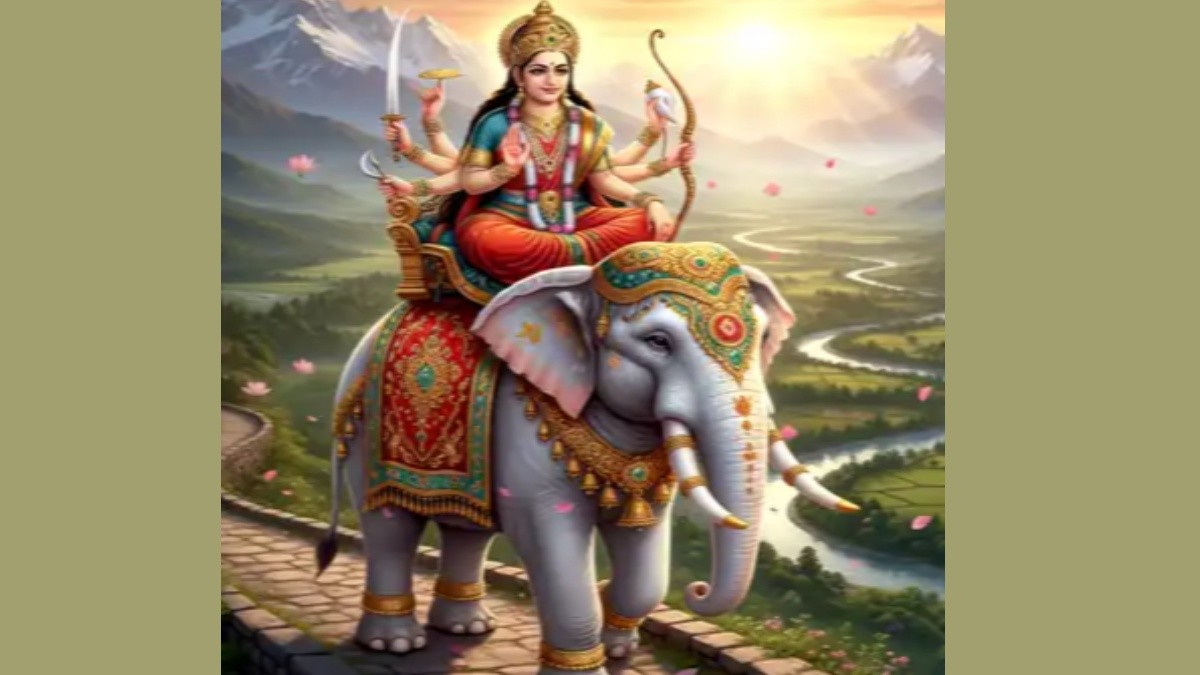
She is often seen in white clothes and holding a rosary in one hand and a kamandalu, or water pot, in the other. The symbols here are spiritual knowledge, simplicity, meditation and self-control.
The goddess shows devotees that real accomplishments call for commitment and that inner strength is what enables us to survive at the worst times.
What is the significance of the second day of Navratri?
Religion is more durable when kept up with discipline and persistence and the second day reminds the faithful that faith is growing. Goddess Brahmacharini is believed to bring mental peace and confidence in one’s mind and spiritual growth.
Related Articles

Her story also has a message for the average person in everyday life. To move on from school, work in a career or face personal challenges, patience and constant effort are the way forward.
For devotees, this is a day for reflection about what they want, gratitude and the divine.
Puja Vidhi: How to Worship Goddess Brahmacharini
Devotees can follow the traditional steps to perform puja at home:
-
Clean the puja area: Begin the day by bathing and preparing a clean space for worship.
-
Offer prayers: Place an image or idol of Goddess Brahmacharini in the prayer area.
-
Light a diya: Light an oil or ghee lamp, following household customs.
-
Offer flowers and fruits: Present fresh flowers, fruits and other traditional offerings.
-
Chant the mantra: Recite the Goddess's mantra with devotion and concentration.
- Perform aarti: Conclude the worship with aarti and prayers for peace and well-being.
Rituals and offerings might vary in the region and families. Devotees may continue with their traditional practices.
Goddess Brahmacharini Mantra
Devotees commonly chant the following mantra while worshipping Goddess Brahmacharini:
Om Devi Brahmacharinyai Namah.
Chanting the mantra is a meditation of devotion. Devotees can repeat it three times while focusing on the Goddess and reflecting on the values of patience, discipline and faith.
What is the colour of the second day of Navratri?
Navratri colours are associated with each day of the festival, but the sequence of colors can vary according to the regional customs and calendar. Devotees can wear a colour recommended by their family tradition or local Panchang.
The deeper purpose of the day is devotion to Goddess Brahmacharini rather than the colour of one's clothing.
The second day of Navratri is dedicated to Goddess Brahmacharini and the spiritual strength brought to you by patience, discipline and commitment of faith. Through prayer, mantra chanting and reflection, devotees can find inner peace and renew their commitment to their goals.
Her message is timeless: true strength is not only overcoming challenges but also having the patience and faith to continue the journey.



Comments 0