
Shardiya Navratri 2026 will begin on Sunday, October 11 and will be held on 9 days of daily worship for Maa Durga and her various forms.
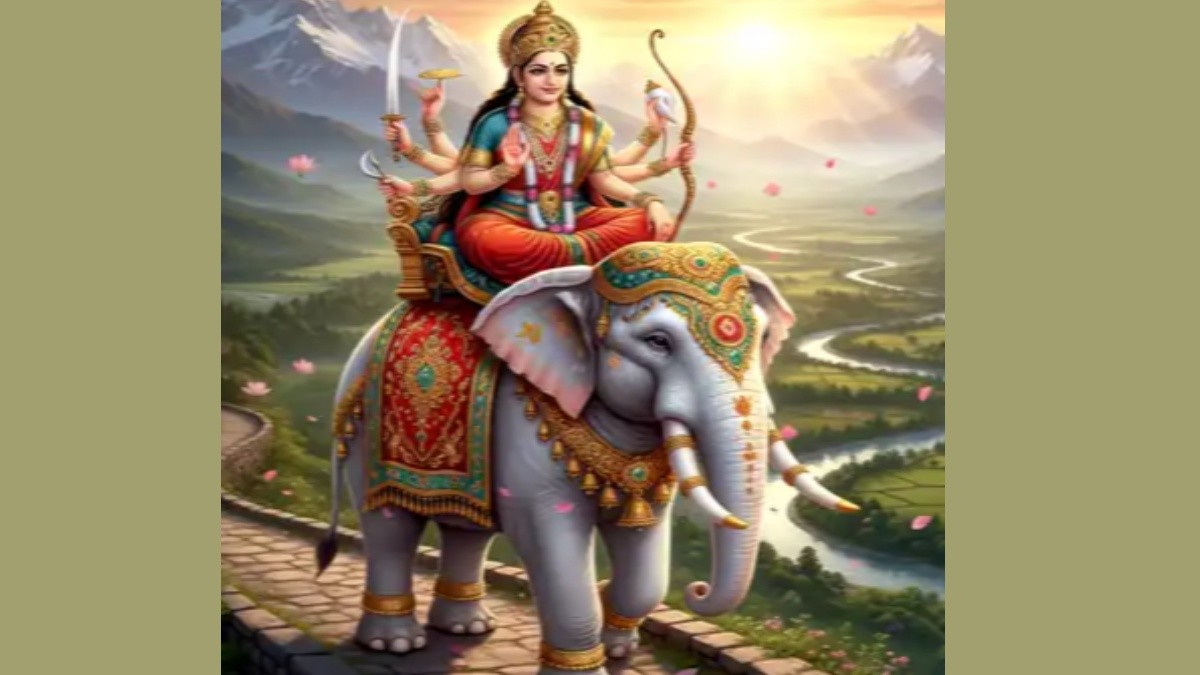
One of the traditional beliefs associated with Navratri is that the goddess’s vahana or sawari, when she arrives and leaves the earth, is the vehicle of the goddess. Navratri is predicted to be a vehicle for Maa Durga on the day when Navratri starts and ends. Each vahana is believed to carry a sign of the time to come.
Maa Durga is traditionally believed to arrive on an elephant, or Gaj, as Shardiya Navratri begins on a Sunday. She then leaves on a rooster, Charanayudh, when Navratri ends on Tuesday, October 20. These beliefs are part of religious and astrological interpretations and are understood symbolically by devotees and not as predictions with scientific certainty.
Related Articles
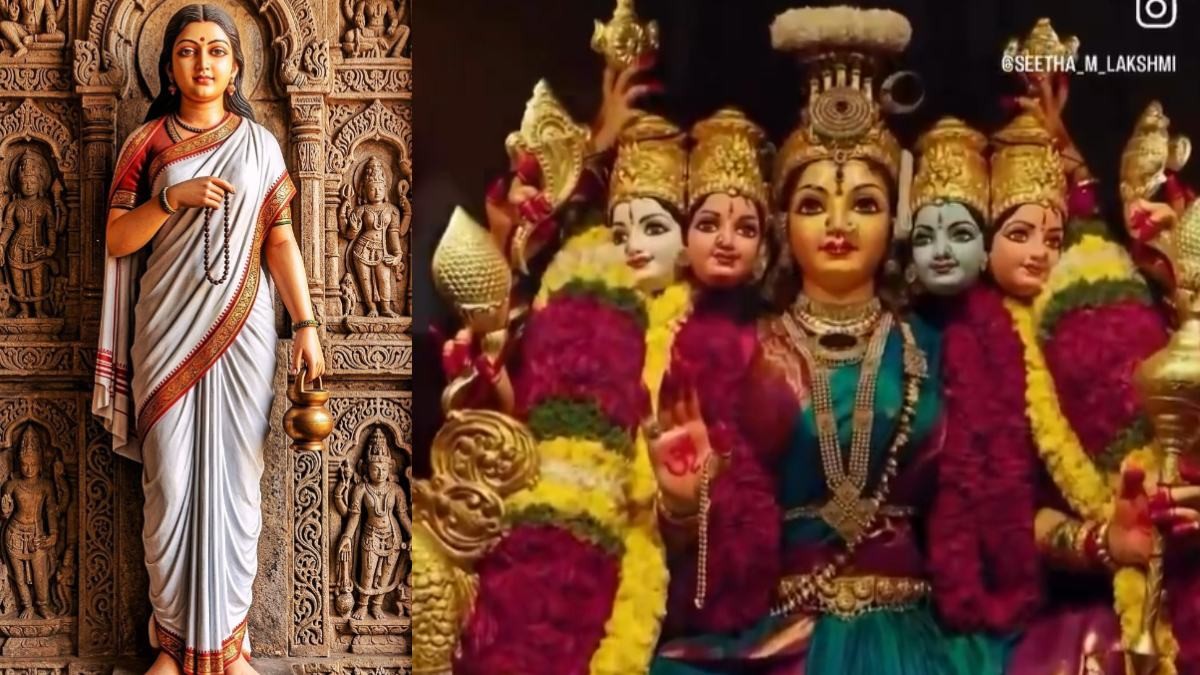
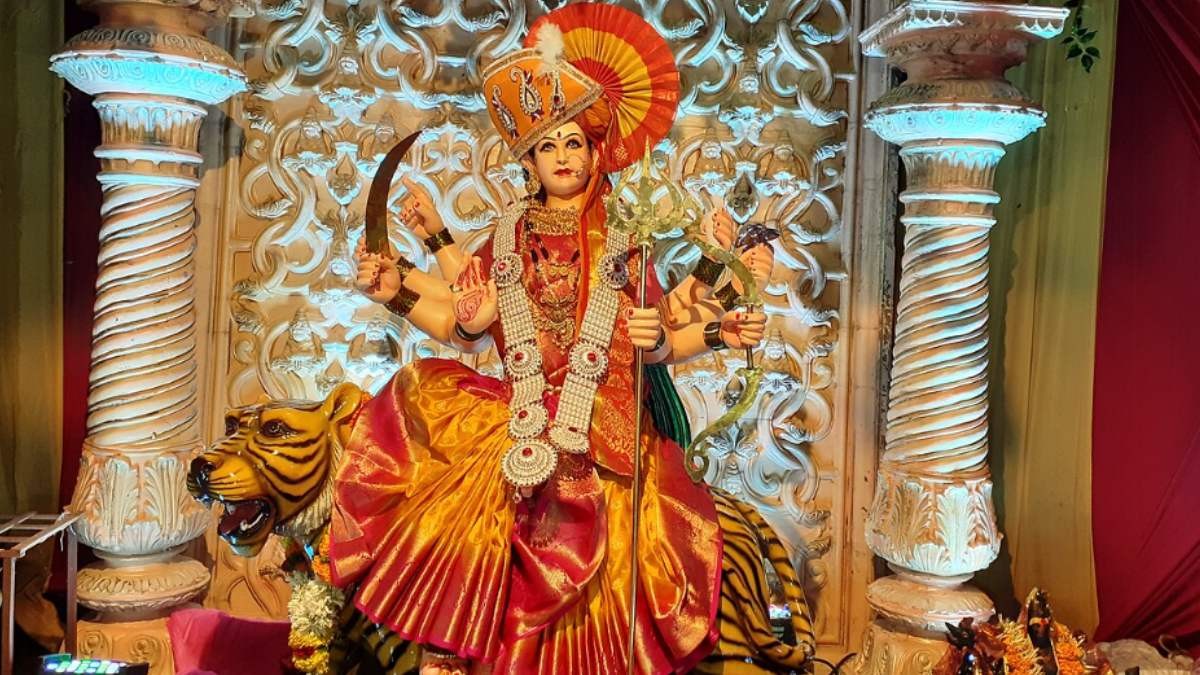
When does Shardiya Navratri 2026 start and end?
According to the details from the Panchang, Shardiya Navratri will begin on Sunday, October 11, 2026. The festival will start with Ghatasthapana, also called Kalash Sthapana, the ritual that initiates the Navratri worship.
The nine-day observance will continue with different forms of Maa Durga and Mahanavami is on October 19. The festival will conclude with Dussehra or Vijayadashami on Tuesday, October 20, 2026.
Devotees in India and the world celebrate Navratri with prayers, fasting, devotional music, rituals and visits to temples and other rites. Different regions also have their own customs like Garba and Dandiya celebrations, Durga Puja traditions, and other community activities.
Related Articles

Why will Maa Durga arrive on an elephant?
Traditional beliefs associate Maa Durga's arrival vehicle with the weekday on which Navratri starts. When Navratri starts on a Sunday or Monday, Maa Durga is traditionally believed to arrive on an elephant. Since Navratri 2026 begins on Sunday, the elephant is the festival's arrival vahana.
The elephant or Gaj has a symbolic role in Indian religious traditions in which it is associated with strength, wisdom, stability, prosperity and abundance. On this basis, Maa Durga arriving on an elephant is an auspicious sign.
It is also linked to good agricultural conditions and rain. An elephant's arrival may indicate greater prosperity, better agricultural output and relief from financial pressures in traditional culture, and symbolically to peace, positive energy and emotional stability.
For devotees, the elephant's symbolism can also add an auspicious element to the beginning of Navratri. But those interpretations belong to the religious and astrological tradition and should be interpreted with a certain degree of context within that context.
What does Maa Durga’s Rooster Departure mean?
The departure vahana for Navratri 2026 has a different traditional interpretation. Since Vijayadashami falls on Tuesday, October 20, Maa Durga is believed to leave on Charanayudh, traditionally associated with a rooster.
In traditional interpretation, the rooster departure is less auspicious than that of the elephant. It is associated with conflict, unrest, grief and natural disturbances. Traditional readings therefore advise people to be cautious and maintain peace during that time.
This is religious and astrological beliefs rather than scientifically proven predictions. The vahana tradition has cultural and symbolic significance and is different in different communities and regional Panchang traditions.
Navratri 2026 Ghatasthapana Muhurat
Ghatasthapana is one of the most important rituals performed at the beginning of Navratri. It is about setting up the sacred Kalash and formally beginning the period of Maa Durga worship.
For Sunday, October 11, 2026, the Panchang details on the Ghatasthapana Muhurat are 6:19 am to 10:12 am. Those who follow this tradition can perform the ritual during the prescribed auspicious period according to their local customs and Panchang.
As Navratri dawns, Maa Durga’s elephant arrival and Charanayudh’s departure will make believers and followers of traditional astrology excited. For them, the elephant is a sign of prosperity, wisdom and peace, and the rooster departure is a reminder that we should be on the lookout and be peaceful.
Ultimately, Shardiya Navratri is a major spiritual event where one focuses on Maa Durga. In addition to the vahanas, we also observe the festival as a time of prayer, fasting, reflection and celebration. Devotees seek the goddess's blessings for strength, prosperity, good health and the triumph of good over evil.



Comments 0