
Pitru Paksha (Shradh or Shraddha Paksha) is a period in the Hindu lunar calendar to recall our departed ancestors. In this period, families perform rituals like Shraddha, Tarpan, and Pind Daan.

In 2026, the main Pitru Paksha observance begins with Pratipada Shraddha on September 27 and ends with Sarva Pitru Amavasya, also known as Mahalaya Amavasya on October 10.
There is some confusion about whether Pitru Paksha starts on September 26 or September 27. The reason is that Purnima Shraddha falls on September 26 and is included in some calendars as part of the wider Shraddha observance. The main sequence of Pitru Paksha, beginning with Pratipada, starts on September 27.
Related Articles
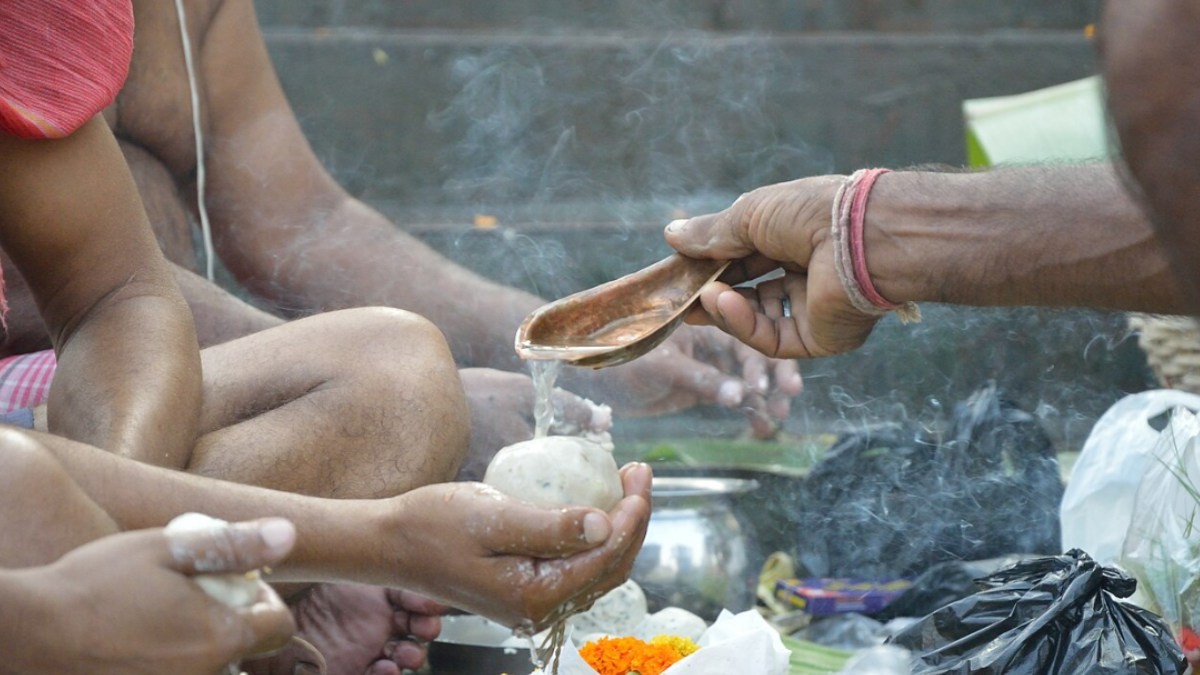

The period is traditionally associated with offerings and prayers for ancestors. Most families perform the Shraddha ritual according to the lunar tithi corresponding to the death anniversary of the deceased.
Pitru Paksha 2026 Full Shraddha Calendar
For the 2026 calendar, there are the following important dates:
September 26: Purnima Shraddha
September 27: Pratipada Shraddha
September 28: Dwitiya Shraddha
September 29: Tritiya Shraddha and Maha Bharani
September 30: Chaturthi and Panchami Shraddha
October 1: Shashthi Shraddha
October 2: Saptami Shraddha
October 3: Ashtami Shraddha
October 4: Navami Shraddha
October 5: Dashami Shraddha
October 6: Ekadashi Shraddha
October 7: Dwadashi Shraddha and Magha Shraddha
October 8: Trayodashi Shraddha
October 9: Chaturdashi Shraddha
October 10: Sarva Pitru Amavasya or Mahalaya Amavasya
Related Articles
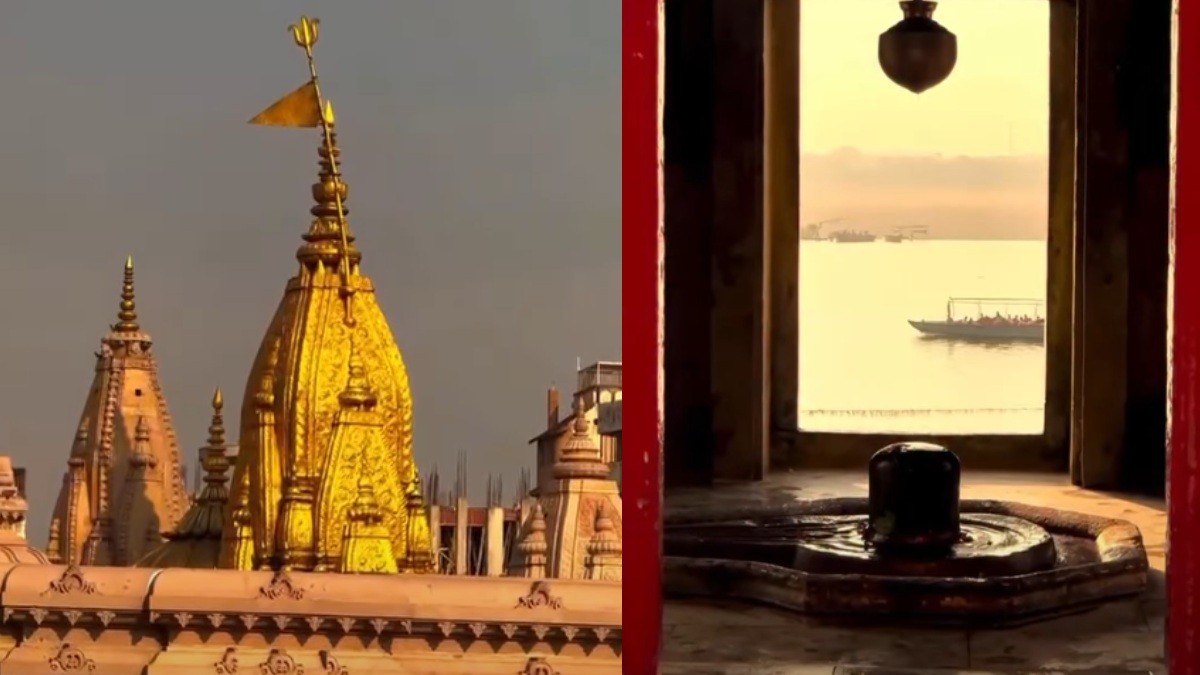
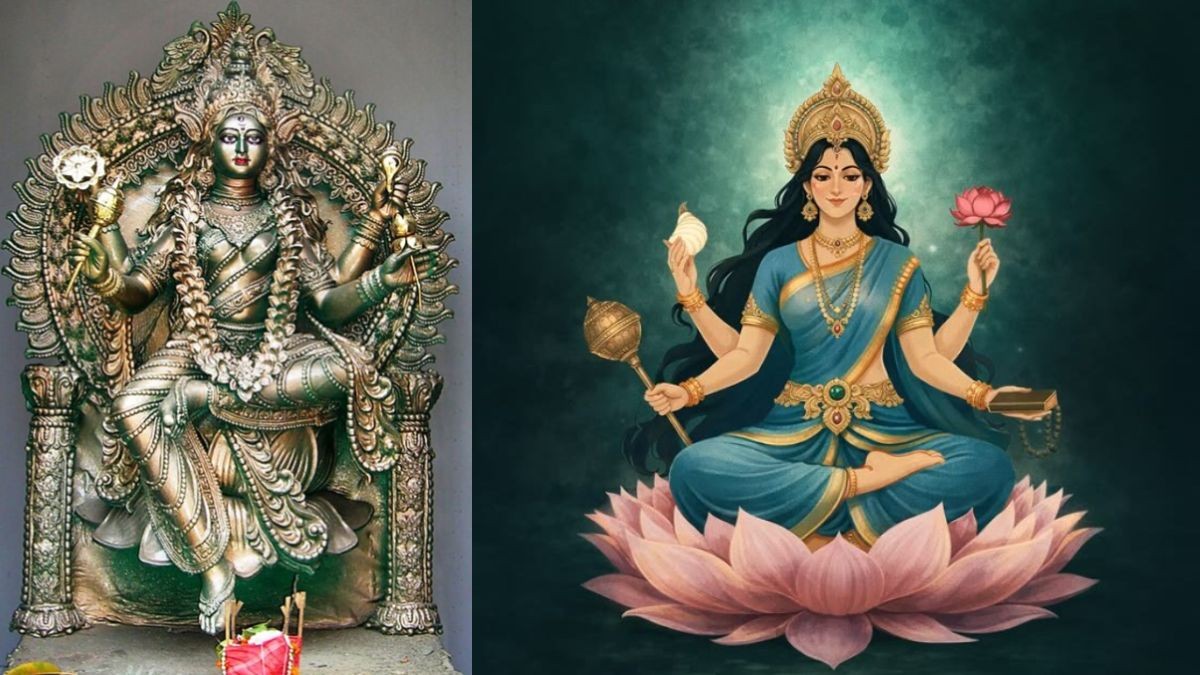
The exact time of a tithi can also vary depending on the location. Thus, families planning a Shraddha ceremony should check a local Panchang or consult their family priest before finalising the ritual date and time.
What is the traditional Dos during Pitru Paksha?
Pitru Paksha is observed as a time of remembrance, gratitude, and ancestors’ offerings. The specific customs of families and regional customs differ.
Perform Shraddha According To The Tithi
The Shraddha ceremony is usually performed on the lunar tithi corresponding to the day on which an ancestor passed away. If the death tithi is not known or cannot be known, Sarva Pitru Amavasya is considered an important day for remembering ancestors.
Offer Tarpan And Pind Daan
Tarpan involves ritual offerings (water and other prescribed materials), whereas Pind Daan involves offerings made as part of ancestral rites. The exact procedure varies according to regional and family traditions.
Offer Food And Charity
Many families prepare food as part of the Shraddha ritual and give it to ancestors as a memory. Feeding people, animals or those in need and making charitable contributions are also associated with Pitru Paksha observances in some traditions.
Maintain A Respectful And Simple Routine
Pitru Paksha devotees can choose to live a simple and prayerful life and devote time to prayer, remembrance, and family rituals. It is of course possible that community-specific restrictions in this period can vary greatly.
What should be avoided during Pitru Paksha?
Several of these are traditionally avoided by families who practice Pitru Paksha. However, these customs are based on religious and regional traditions and are not universal among all Hindu communities.
People may not celebrate, do elaborate ceremonies, or celebrate things that are auspicious during the period. Some families will avoid certain foods or follow dietary restrictions.
It’s common to avoid using alcohol and non-vegetarian food in ancestral rituals, too, in some traditions. But the practice is not the same for every family.
Pitru Paksha’s broader focus is on remembrance, prayers, offerings, charity, and respect for ancestors and not on a single list of restrictions that can be applied to all people.
Why is Sarva Pitru Amavasya important?
The last day of Pitru Paksha is Sarva Pitru Amavasya, which falls on October 10, 2026. It is also known as Mahalaya Amavasya or Sarvapitri Amavasya.
The day is associated with paying respect to our ancestors. It is particularly relevant to families when the death tithi of an ancestor is not known or cannot be observed separately.
Pitru Paksha will conclude with this Amavasya, and then the next phase of the Hindu festive calendar begins. Sharad Navratri will start on October 11 in 2026.
As the dates are determined by lunar tithis, those who are planning Shraddha rituals should confirm the appropriate date and auspicious period for their location. The date of civil calendar may vary in some cases depending on when a particular tithi begins and ends.



Comments 0