
Religion in all forms has always been linked to the search for meaning, peace, purpose and a better understanding of life. Earlier generations of people had always thought of spirituality as being about places of worship, meditation centres, religious groups, books and their own reflection. The digital revolution has brought a whole new dimension to this journey.

Social media is where people come to know about spiritual ideas, meditate, and connect online with people from all over the world. So spirituality is more accessible, visible and diverse in social media today.
Social media allows people to learn spiritual teachings without geographic isolation from home without spatial borders. A person on the web can access videos and podcasts, articles, talks and online communities that they can access to meditation, yoga, mindfulness, philosophy or personal growth courses within minutes.
Related Articles


Spiritual teachers and practitioners can share their practice with people from different countries and cultures. And this accessibility can get people to go beyond questions about purpose, happiness, compassion and self-awareness that they haven’t thought about before.
The prevalence of mindfulness and meditation content on social media is significant. Guided meditation videos, breathing exercises, affirmations and inspiring messages are available in large numbers. These are tools and resources to use at home, during breaks at work or before going to sleep.
For people who can’t go to a meditation class, digital resources can be a useful tool. Technology, when used purposefully, can be a good way for developing healthy reflective habits.
Related Articles
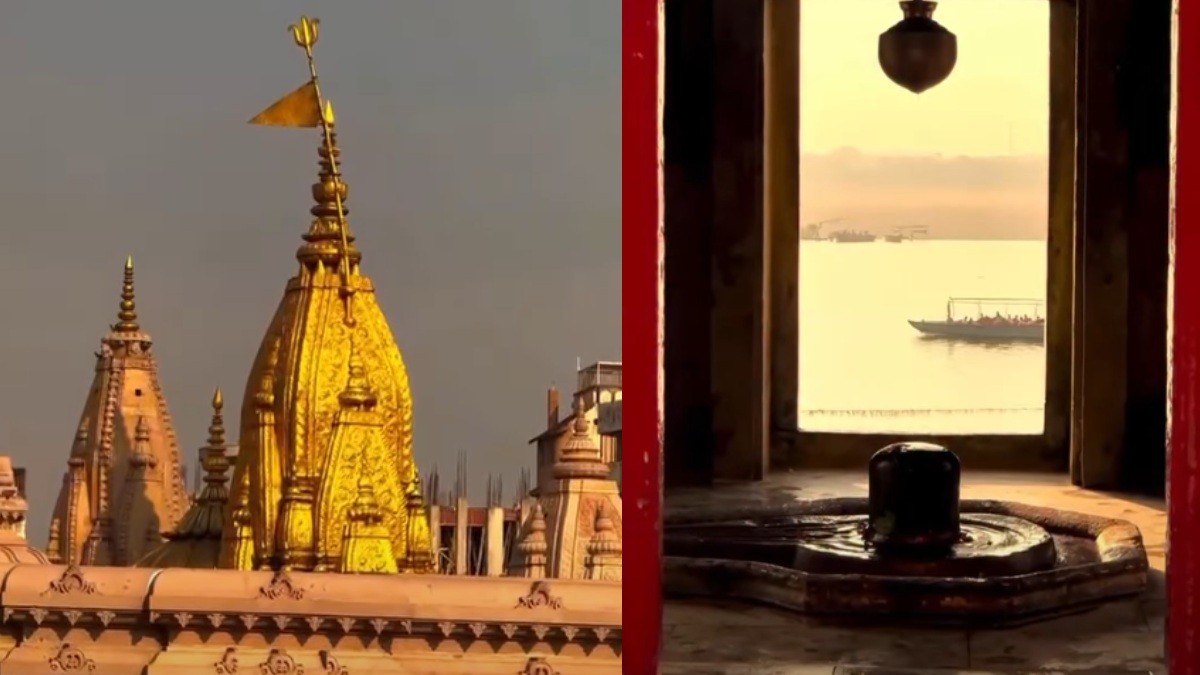
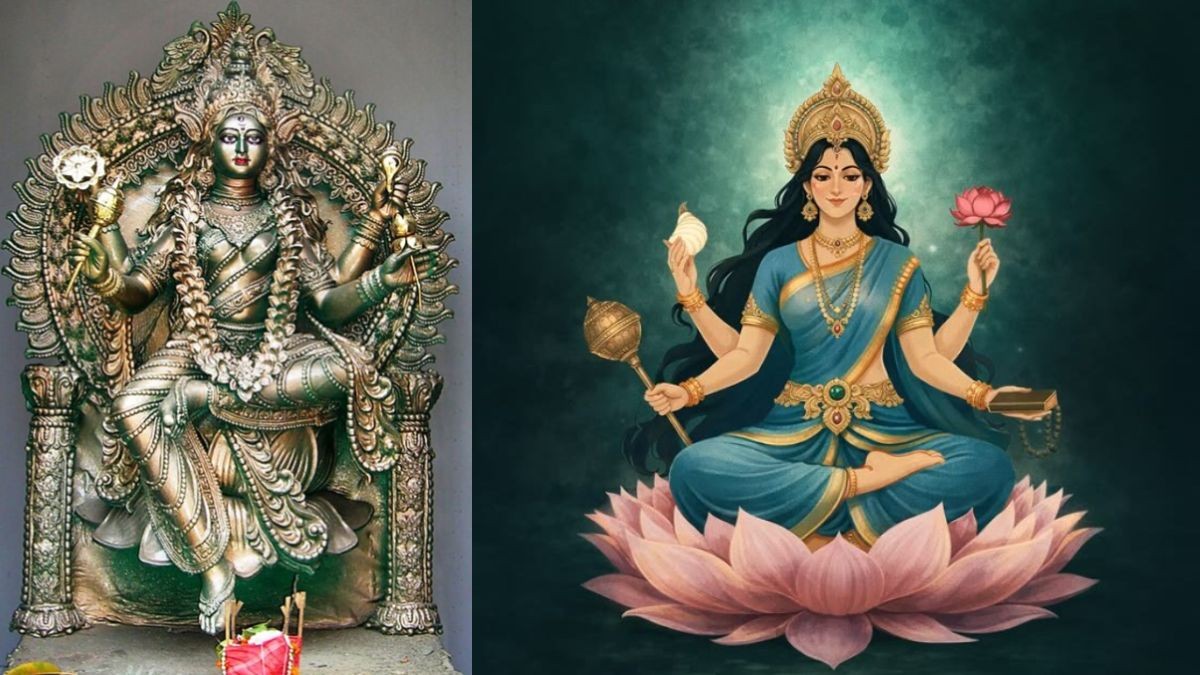
Social media has also helped build virtual spiritual communities. People who may feel isolated in their own spiritual journey can connect with those who have similar interests and perspectives. Online groups can promote encouragement, conversation and sharing of experiences. Someone who lives in a small town, for example, can engage with people from all over the world who are thinking about similar philosophical or spiritual questions.
This sense of connection can make spirituality feel more accessible.
But spirituality and social media are not without issues. Social media is designed to capture attention, so the constant scrolling can make it hard to remain focused. Spirituality is about stillness, reflection and mental health, while social media can feed off information on a regular basis. Moving from one post to another, video to video, notification to notification can make your mind too busy to think.
And for those seeking inner peace, too much digital activity is a huge distraction.
Another concern is the commercialization of spirituality. Inspirational quotes, wellness products, online courses and spiritual coaching are all part of the digital marketplace. We need to be careful, because popularity is not a substitute for wisdom. A huge following does not mean a particular spiritual teacher or idea is accurate and right for all. Developing critical thinking is key for exploring spiritual content online.
Likewise, social media can encourage comparison, even within the wellness and spirituality world. People see pictures of meditation retreats, serene lifestyles, exercise regimes or seemingly perfect lives, and just assume others have it better than them—that there is this inner peace. But spirituality is not a competition. Personal growth is a personal journey, and it cannot be measured by photographs, followers, likes, and online approval.
Maintaining the right digital balance might assist people in getting more out of online spiritual resources instead of being forced to cling to them. The absence of social media for meditation, prayer, journaling, nature walks or quiet times of reflection could help maintain a digital balance. Even an occasional break from the constant flow of digital information can provide a few minutes of silence each day.
The digital age also presents an opportunity to redefine how we think in terms of spirituality. Instead of viewing technology as an enemy of inner growth, people can use it consciously.
A meditation app might be a reminder to continue to practice mindfulness, a podcast might provide a new philosophical perspective, and an online community can be a tool for encouragement. Technology is not a weapon but a tool instead of a means for controlling attention.
There is a balance between the external digital world and the internal world of thoughts, emotions and awareness in spirituality in the age of social media. Social media can provide knowledge, connection and inspiration, but real spiritual growth requires actual experience and reflection. No number of motivational posts can substitute for sitting quietly with one’s own thoughts.
As technology continues to make a major impact on our daily life, there may be an even greater need for inner stillness in the world. Spirituality does not have to involve a complete disconnect from the modern world. But it is something that can be learned in order to remain grounded in the present world and to live within it. By using social media mindfully and making space for silence, reflection and authentic human connection, people can explore spirituality without losing themselves in the digital noise.




Comments 0