
Building a healthy lifestyle doesn’t always mean major changes. Sometimes small daily activities make a big difference to physical and mental well-being — yoga is one such practice which can improve flexibility, strength, balance and relaxation but consistency is hard for beginners (who have busy schedules).
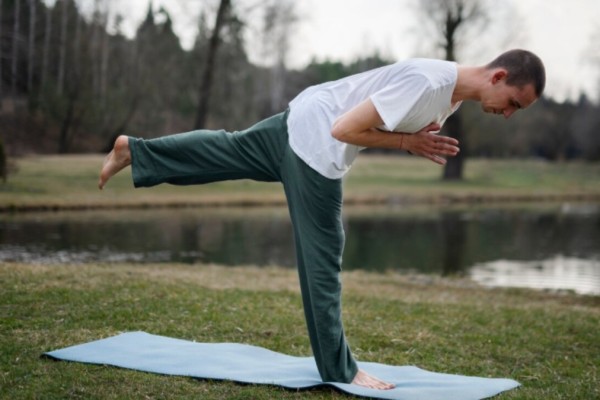
A 21 day yoga challenge is a good starting point for people who want to incorporate yoga into their daily lives. Rather than focusing on hard poses or long sessions, the idea is to build a simple sustainable habit that fits in with everyday life.
Why Choose a 21-Day Yoga Challenge?
Starting a new fitness routine can be intimidating. A 21-day challenge gives people a deadline and a reason to practise regularly.
Related Articles


21 days isn’t scientifically guaranteed as a period of time for forming a habit but it can set you on the right track by creating a routine and motivation. Practising yoga every day (even for just a few minutes) will get beginners familiar with basic movements and breathing techniques.
The key is consistency rather than perfection.
Days 1–7: Start Small and Build Consistency
The first week should be devoted to developing the habit without putting too much pressure on the body.
Related Articles

Beginners should do 10 to 15 minutes of gentle yoga each day. Simple movements (Mountain Pose, Child’s Pose, Cat-Cow Stretch and gentle seated stretches) are good starting points.
Focus on:
- Practising at the same time every day.
- Learning basic yoga postures.
- Paying attention to breathing.
- Avoiding complicated poses.
- Creating a comfortable yoga space at home.
We want to get comfortable with the routine not achieve physical results overnight.
Days 8–14: Improve Flexibility and Strength
Second week increase practice to around 15–20 minutes if your body feels comfortable.
You can introduce poses like Downward-Facing Dog, Warrior I, Warrior II and Bridge Pose. These movements can help develop strength, flexibility and balance.
Breathing exercises can also be part of the routine. Deep breathing and gentle relaxation may reduce stress and increase awareness of the body.
Remember to move slowly and don’t force your body into uncomfortable positions.
Days 15–21: Make Yoga Part of Your Lifestyle
The last week is about consistency and confidence in your practice.
You can gradually increase your sessions to 20 to 30 minutes (depending on fitness level and comfort) as you get fitter and more comfortable.
Try stretching, standing poses, balance exercises and relaxation together; try Hatha Yoga or gentle Vinyasa to find out what you like.
At the end of each session spend a few minutes relaxing and noticing how your body feels.
Simple Tips to Stay Motivated
Building a daily yoga habit takes patience and realistic expectations.
- Set a fixed time: Morning or evening practice can help build consistency.
- Set realistic goals: Don’t set yourself high targets by starting with long sessions.
- Track your progress: Keep a calendar or journal to record what you’re doing.
- Make it comfortable: Have your yoga mat and things you need ready.
- Don’t compare yourself: Everyone’s flexibility and progress are different.
- Listen to your body: Take breaks when you need them and don’t push through pain.
Common Mistakes to Avoid
Beginners try advanced poses too quickly or expect immediate changes in their bodies. Frustration and injury result.
Don’t skip warm-ups, hold your breath during difficult movements or practise through pain. If you have an existing health condition, injury or concerns about particular movements talk to a qualified healthcare professional or yoga teacher.
Final Thoughts
The 21-day yoga challenge is an opportunity to build a healthier daily routine step by small, manageable step. From flexibility and balance to relaxation and mental well being regular yoga practice can become part of everyday life.
The real achievement is not finishing 21 days perfectly but continuing at a comfortable pace. Start small, be patient and let yoga become part of your lifestyle.




Comments 0