
Stress is now a part of life. Work pressure, family responsibilities, financial needs and busy schedules make people tired and overwhelmed. Some stress is just the natural response to problems, but perpetual stress can affect sleep, concentration, mood and overall well-being.
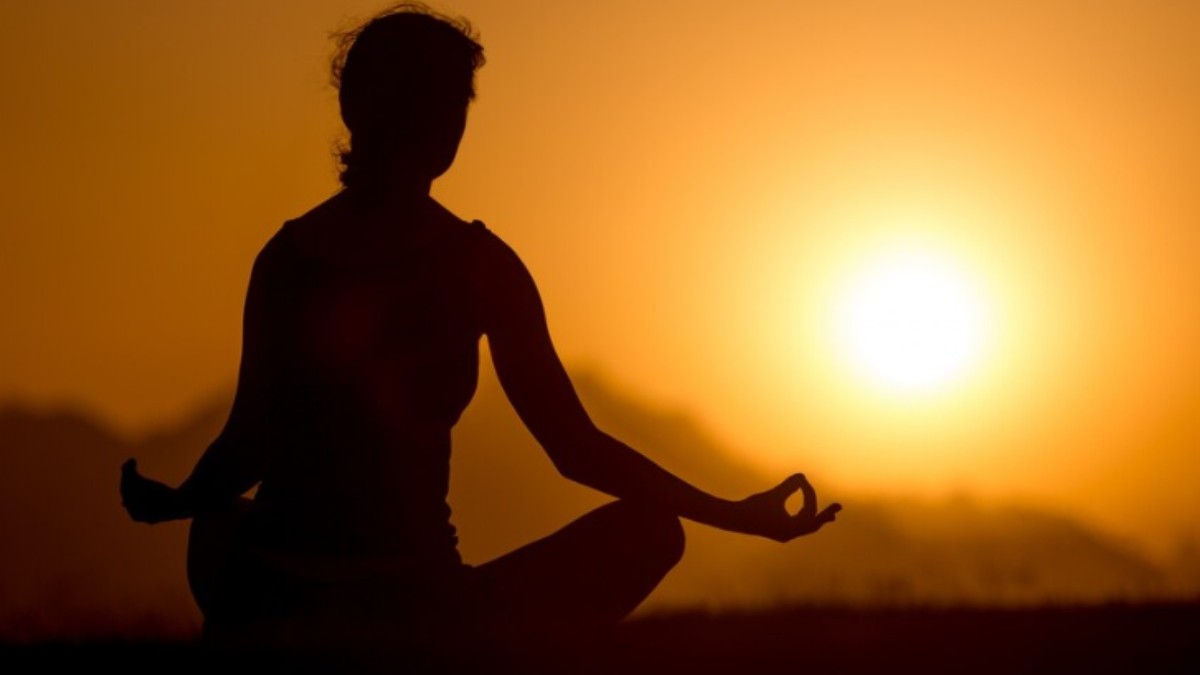
Meditation is a simple practice that can help people slow down, focus on the present moment and respond to daily challenges more calmly. Meditation doesn’t require expensive equipment or a special place. With a few minutes of practice each day, meditation can become a useful part of a healthy lifestyle.
What is Meditation?
Meditation is a practice that involves training attention and awareness. It is the art of people observing their thoughts and feelings without responding quickly.
Related Articles
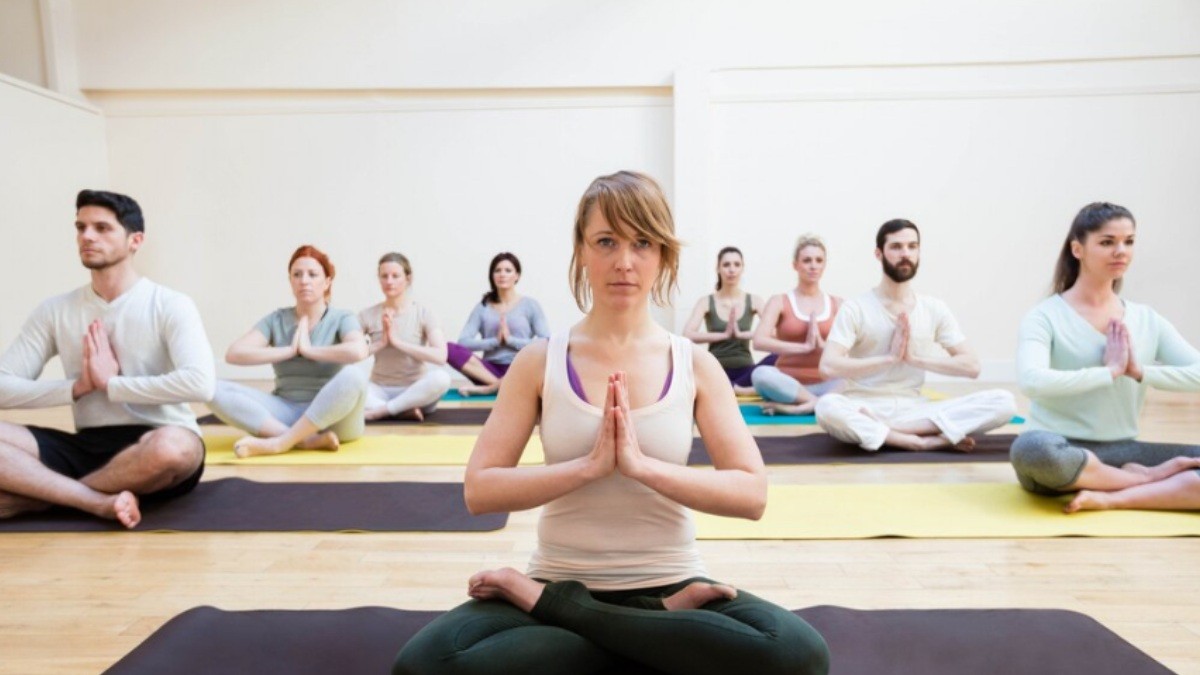
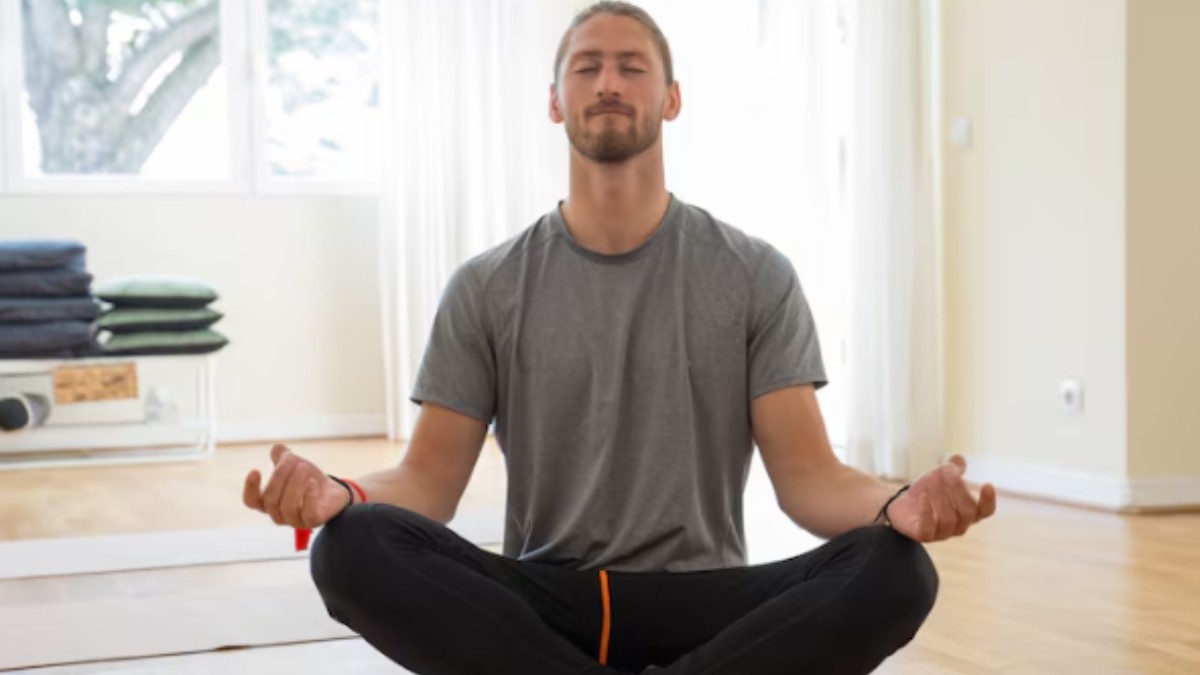
Mindfulness meditation, for example, is about the moment. This might involve paying attention to breathing; the physical feeling of one or more or the thought as it comes and goes.
The goal is not to stop every thought or make the mind completely empty. Meditation does not only create a calmer and more balanced relationship with everyday life; it helps to keep the mind balanced.
How meditation helps manage stress.
One of the core benefits of meditation is that it gives the person a chance to stop and reflect before reacting to stressful situations. There is a tendency to respond quickly when we feel overwhelmed—to get frustrated or scared. Meditation encourages them to slow down and think things through on a more focused level.
Related Articles
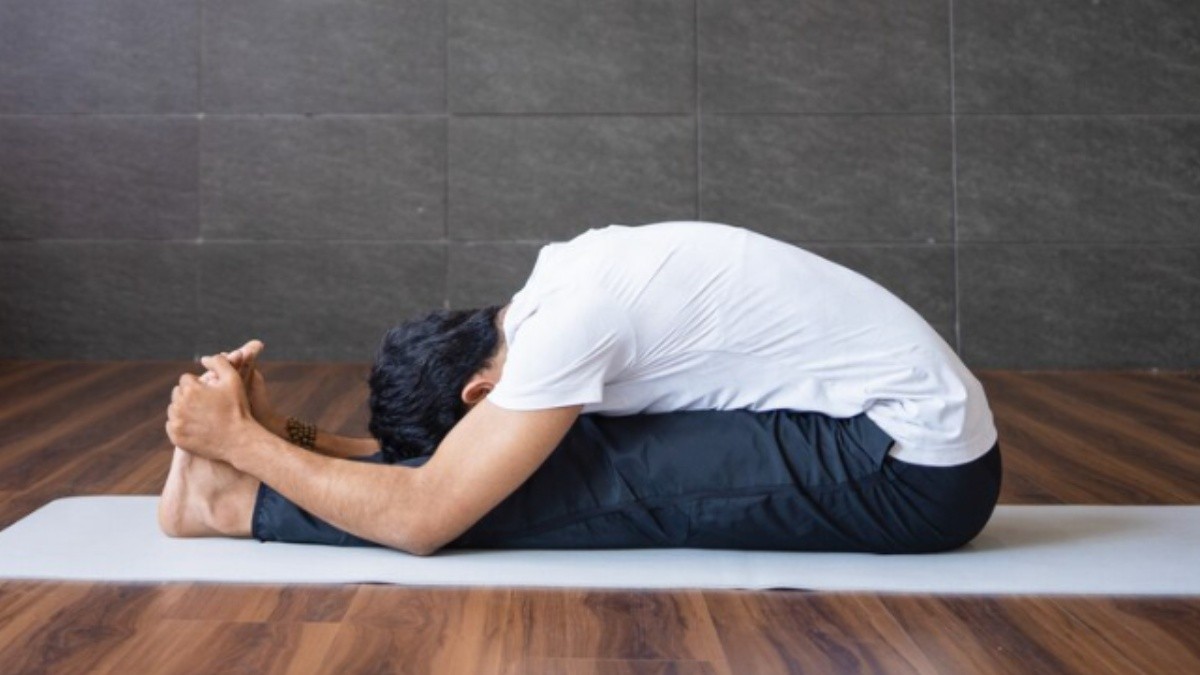
Regular practice could help reduce perceived stress, better emotional regulation and support concentration. Mindful breathing can also encourage relaxation when the mind feels busy.
Meditation is not a solution to every problem, but it can help people develop healthier ways to cope with everyday pressures.
Simple Meditation Techniques for Beginners
You don’t need to meditate for hours to get started. Try these simple techniques at home or during a break.
1. Deep Breathing Meditation.
Sit comfortably and breathe gently through your nose. Notice the air moving in and out. If your mind wanders, return to your breathing without judging yourself.
2. Mindfulness Meditation
Spend five minutes thinking about the here and now. Pay attention to the sounds around you, to your breathing and the feeling of sitting in your chair. Let thoughts come and go without any kind of control.
3. Guided Meditation
A guided meditation can be listened to through audio recording or meditation app. A calm voice will help beginners to follow directions and to follow through.
4. Body Scan Meditation.
Slowly direct your attention to different parts of your body, from your feet to your head. Notice areas of tension and allow yourself to relax without forcing any movement.
Make Meditation a Daily Habit
Consistency matters more than duration when starting a meditation practice. Start with five minutes a day and gradually increase the time if it feels comfortable.
Choose a quiet place, silence unnecessary notifications and sit in a relaxed position. Morning meditation will help you to prepare for the day and evening meditation will lead to a peaceful transition before bed.
Don’t worry if your thoughts keep wandering. This is normal. Gently returning your attention to the present moment is part of the practice.
Common Mistakes to Avoid
Many beginners expect meditation to bring immediate results. Its benefits might develop gradually with regular practice.
Avoid judging yourself for feeling distracted, forcing yourself to sit uncomfortably or treating meditation as another task to complete perfectly. Choose a method to suit your needs and change if necessary.
If meditation increases distress or uncomfortable feelings, stop and consider a gentler approach or guidance from a qualified professional.
Conclusion: Make Space for Inner Peace
Stress is always there, but how we react to it changes. Meditation offers a simple opportunity to pause, breathe and regain perspective during a demanding day.
Start small, practice regularly and be patient with yourself. In combination with proper sleep, physical activity, healthy routines and support from others, meditation can be very useful for stress management and overall well-being.
Meditation can support general stress management but does not replace professional mental health care when stress becomes persistent or difficult to manage.




Comments 0