
Yin Yoga (a slower and more meditative yoga style) provides an alternative if fast workouts are taxing and do not leave you feeling refreshed and inspired. Most poses are performed close to the floor and may be held for several minutes.
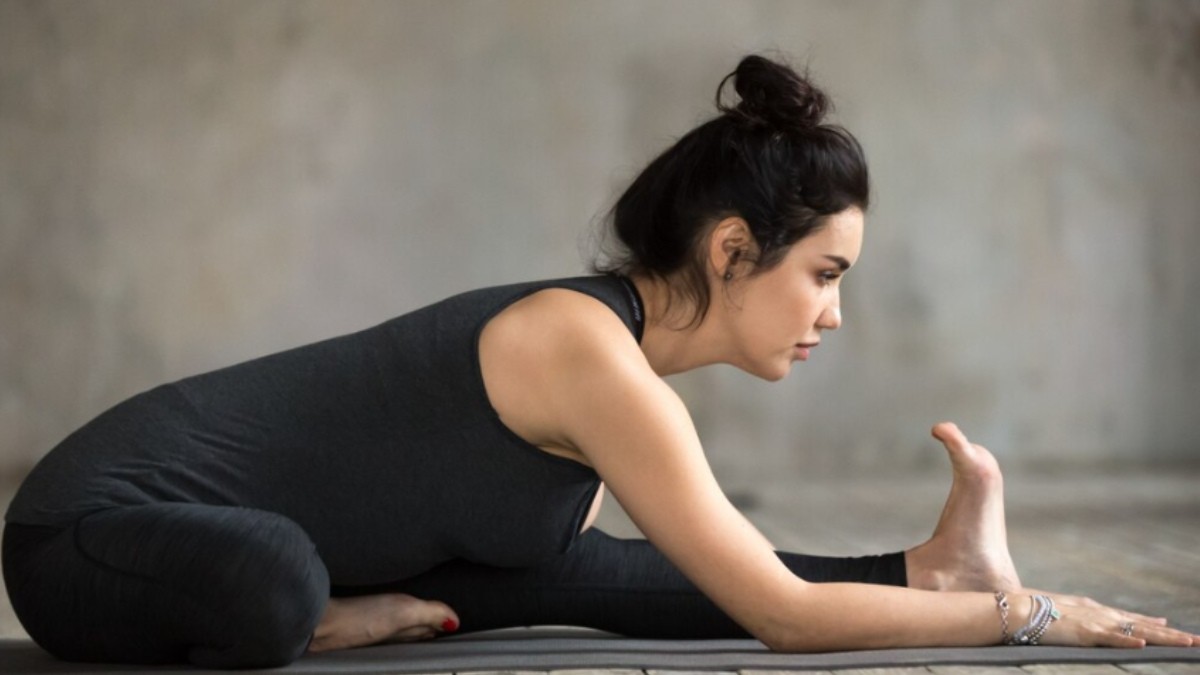
Unlike more dynamic yoga that moves continuously from one posture to another, Yin Yoga is a way to remain still, observe your body and slowly release tension.
What Is Yin Yoga?
Yin Yoga is a quiet practice built around passive stretching and longer-held poses. Lots of poses are done sitting or lying down, and the body relaxes into the position.
Related Articles
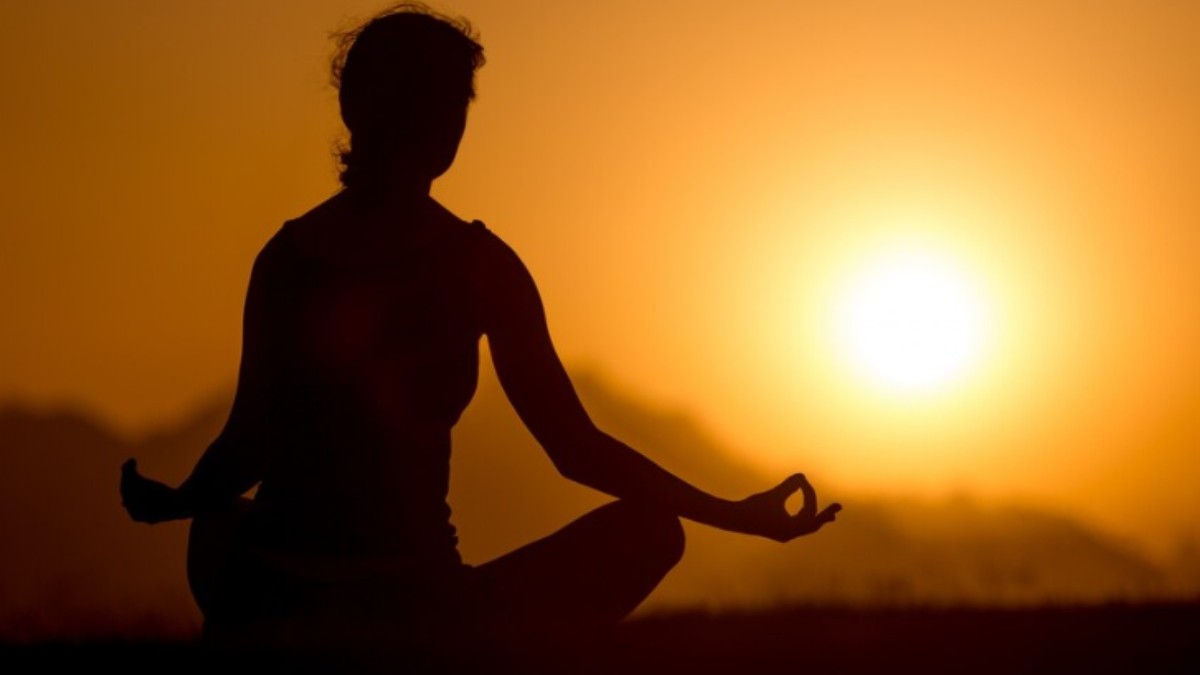
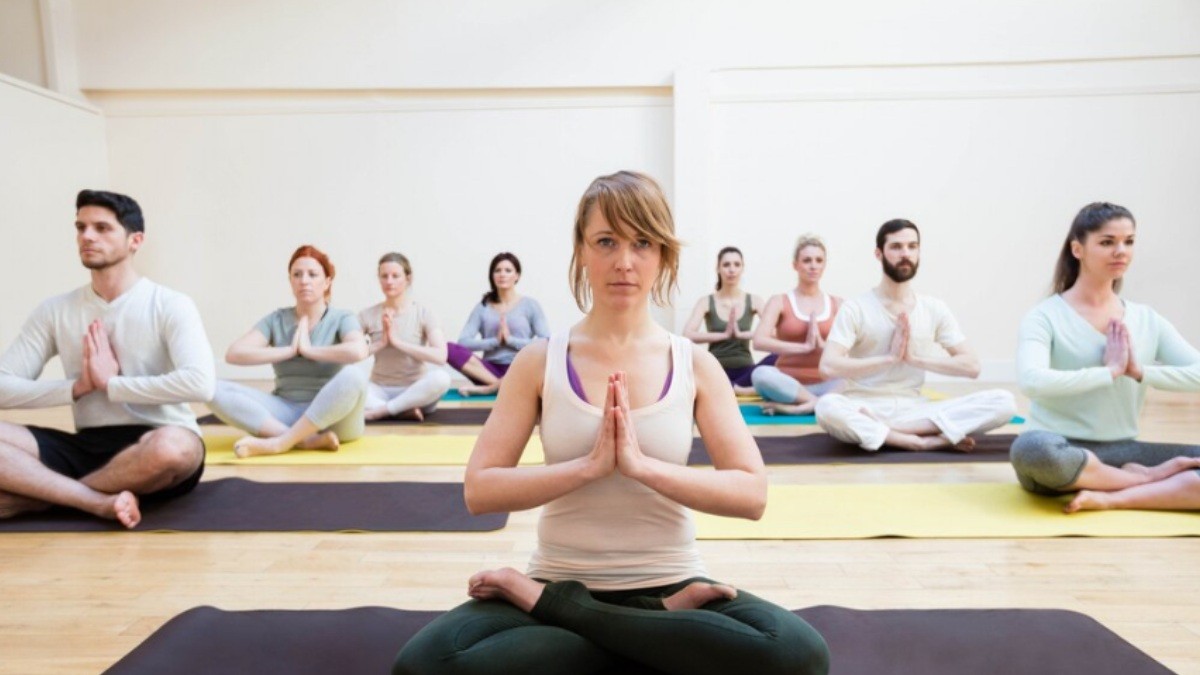
Yin yoga practice typically lasts for about 3 to 5 minutes, although the duration can vary depending on the pose and the person's experience.
The aim is not to pull the body deeper into a stretch. Instead, we are advising them to find the right level of sensation and remain there.
Why Does Yin Yoga Feel Different?
Yin Yoga can be uncomfortable at first because of the amount of time poses are held. You get to feel physical sensations and thoughts that you would normally not be aware of even if you’re in the moment.
Related Articles
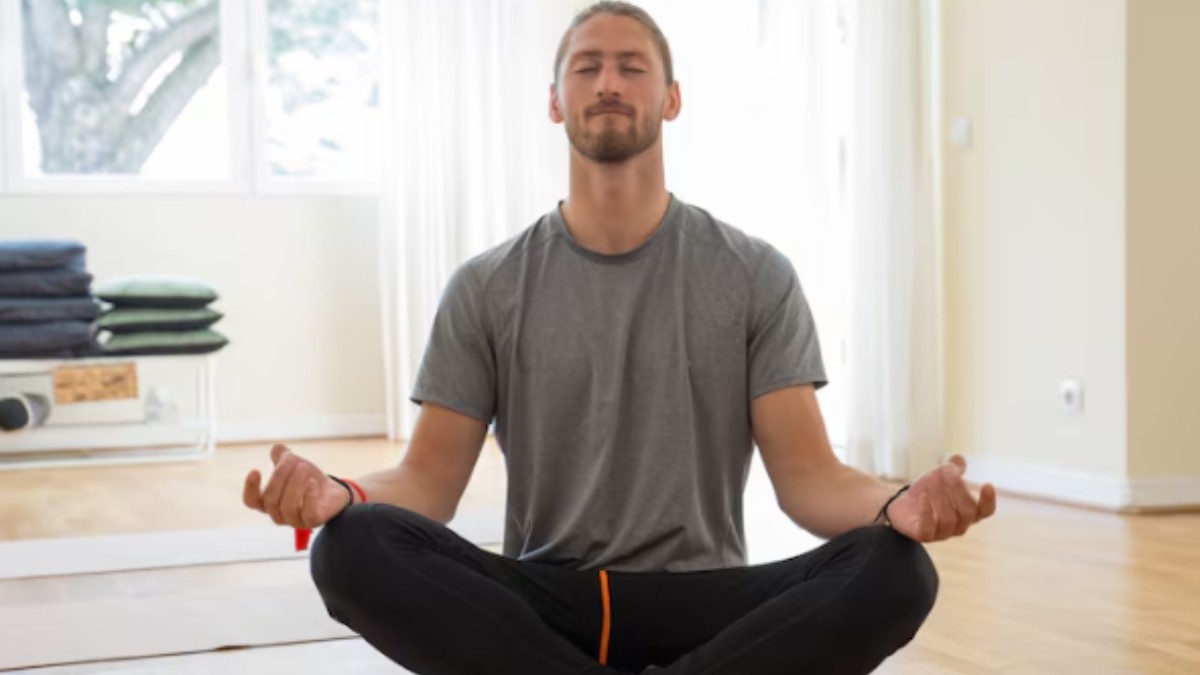
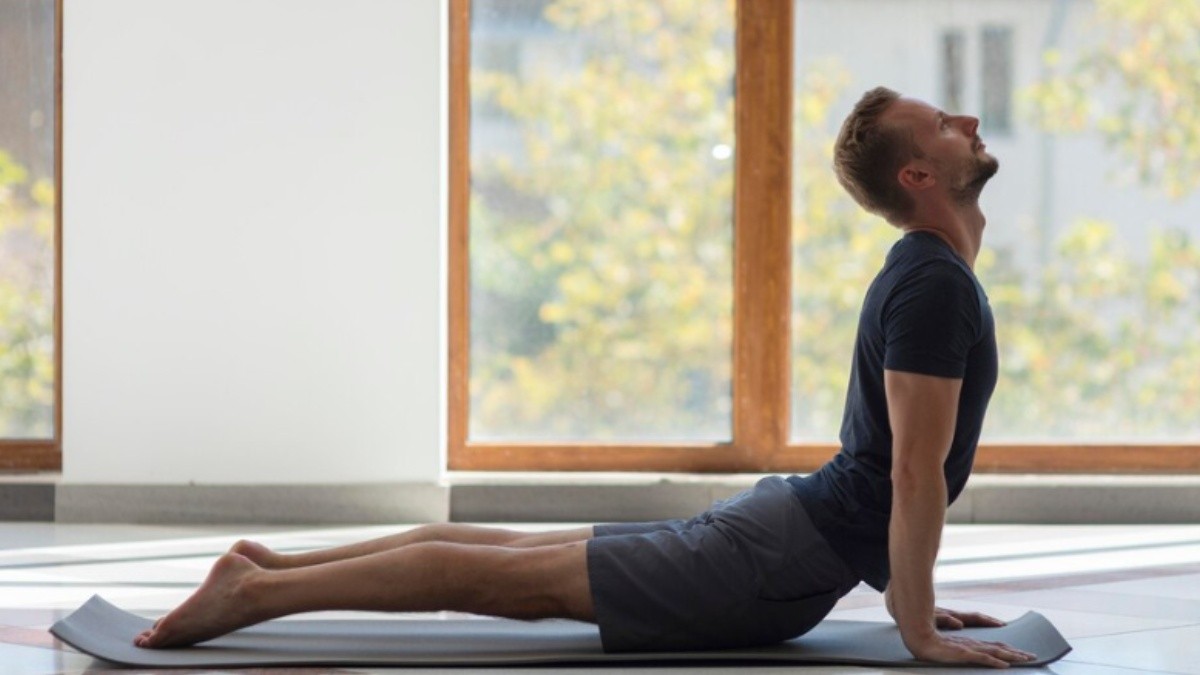
That slower approach should make you patient and aware. So you don’t have to keep going to the next pose to get a good experience, and you can just sit still and observe how your body feels.
A Gentle Approach to Flexibility
Because poses are held for long periods, Yin Yoga can provide a different stretching experience from dynamic yoga.
Many poses target areas around the hips, pelvis, legs and spine. Props such as bolsters, blocks and blankets can help support the body and make poses more comfortable.
You should always aim for a sustainable stretch rather than pushing through pain.
Yin Yoga and a Busy Mind
One of the most appealing aspects of Yin Yoga is the meditative quality. The quiet setting, slow breathing and long periods of stillness can help people to step away from day-to-day distractions.
People who spend much of the day moving between work, screens and responsibilities can benefit from some time to relax and gain a sense of self-awareness in a slower yoga practice.
How to Begin Yin Yoga
As a beginner, you don’t need to be very flexible. Yin Yoga can be approached at various levels of flexibility.
Start with a few simple floor-based poses and use props whenever necessary. Focus on breathing normally and don’t compare your flexibility with someone else’s.
If a pose produces sharp or intense pain, come out of it rather than trying to tolerate the sensation.
Who Can Try Yin Yoga?
Yin Yoga might appeal to people who want a ‘slow, mindful and gentle movement practice’. It can complement more active exercise with periods of stillness and mobility work.
But they should consult a healthcare professional or an experienced yoga instructor for injuries, major joint problems or medical conditions before starting a new practice.
Finding Stillness Through Yin Yoga
Yin Yoga is not about how quickly you can touch your toes or how deeply you can stretch. Its appeal lies in slowing down, breathing and becoming more aware of your body.
Yin Yoga offers a peaceful contrast to activities in your day-to-day life because of its floor-based poses, longer holds and meditative pace. It can be a rewarding addition to a wellness routine for anyone who enjoys “gentle movement, mindful breathing and moments of stillness.”




Comments 0