
A long workday, an ever-present screen and daily worries make it hard to sleep at night. Even when the body is tired, the mind will keep you up and you will wake up tired the next day. Gentle yoga is a good way to slow down, release a lot of physical tension and get ready for bed.
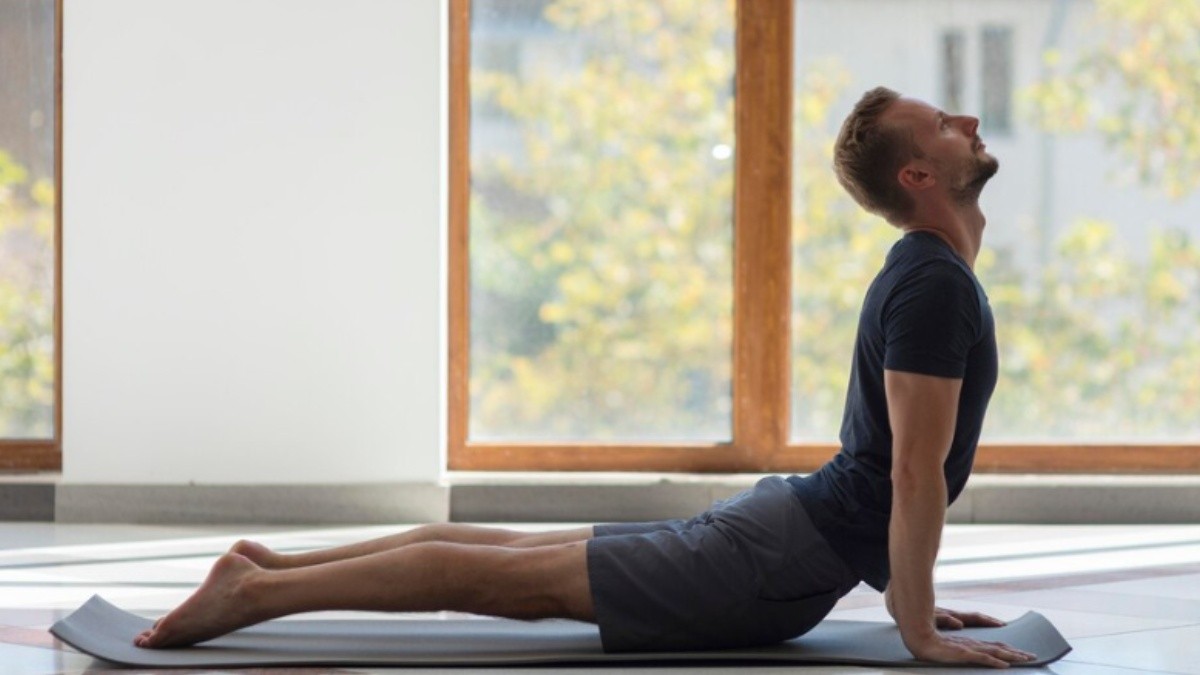
Yoga combines gentle movements, controlled breathing and mindfulness. The practice of these techniques might be helpful for stress relief and quality of sleep. You don’t need the most advanced skills or the gym workout for that. Even 10–15 minutes of soothing yoga can be a part of your bedtime routine.
Does Yoga make you sleep better?
Gentle yoga gives you the opportunity to think about your breathing and physical sensations and not about the day’s unfinished tasks so you do not feel the need to do anything else. Slow movements may ease muscle tension, and exercises in the form of relaxation can help you calm before bed.
Related Articles

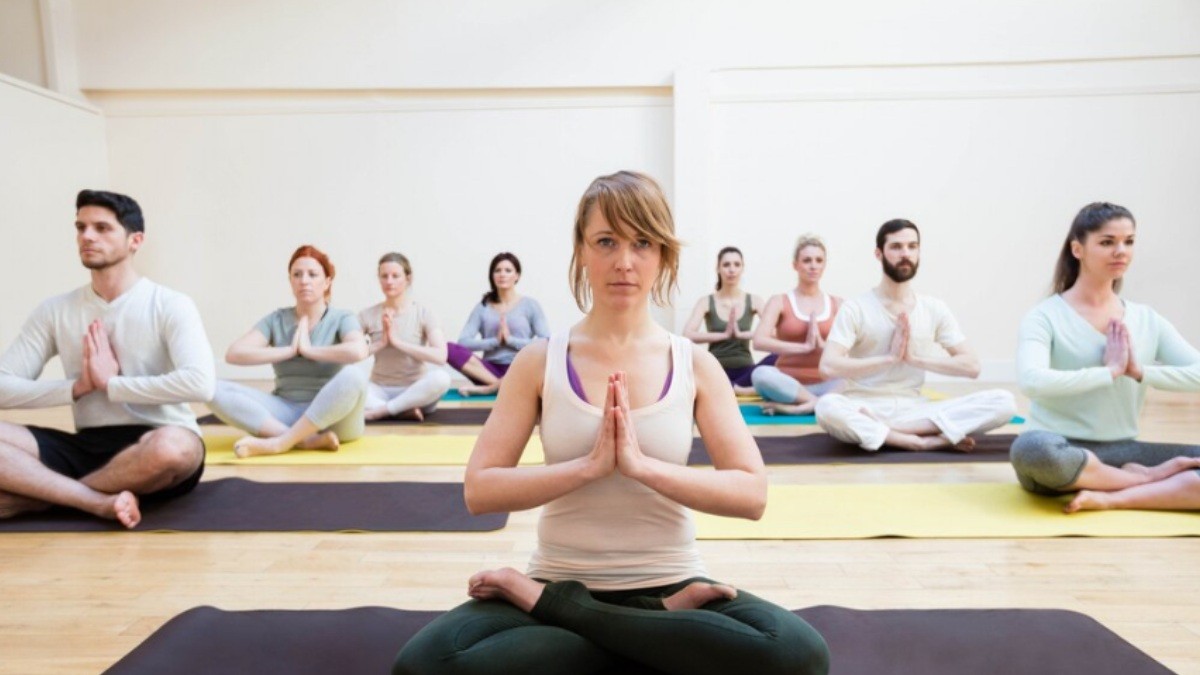
Yoga does not cure insomnia but may be helpful to help you keep up with your sleep routine. Consistency is critical, so you should find the way you move comfortable and not turn your bedtime exercise into a workout.
7 Gentle Yoga Poses to Try Before Bed
1. Child's Pose (Balasana)
Child's Pose gently stretches the back, shoulders and hips. Kneel on the floor, bring your hips towards your heels and extend your arms forward. Rest your forehead on a cushion if necessary. Breathe slowly for 30–60 seconds without forcing the stretch.
2. Legs-Up-the-Wall Pose (Viparita Karani)
Lie down on your back and rest your legs against the wall. Keep your arms relaxed by your sides and breathe naturally. If you are comfortable, stay in the restorative position for two to five minutes. Move out of the pose slowly.
Related Articles
3. Reclining Bound Angle Pose
Lie on your back, bring the soles of your feet together and allow your knees to fall gently outward. Place cushions beneath your knees for support. This relaxed position can be held for one to three minutes without pushing your body beyond its comfortable range.
4. Cat-Cow Stretch
Start on your hands and knees. Slowly arch your back while lifting your chest, then round your spine gently as you exhale. Repeat five to eight times, coordinating each movement with your breathing. This can help ease stiffness after prolonged sitting.
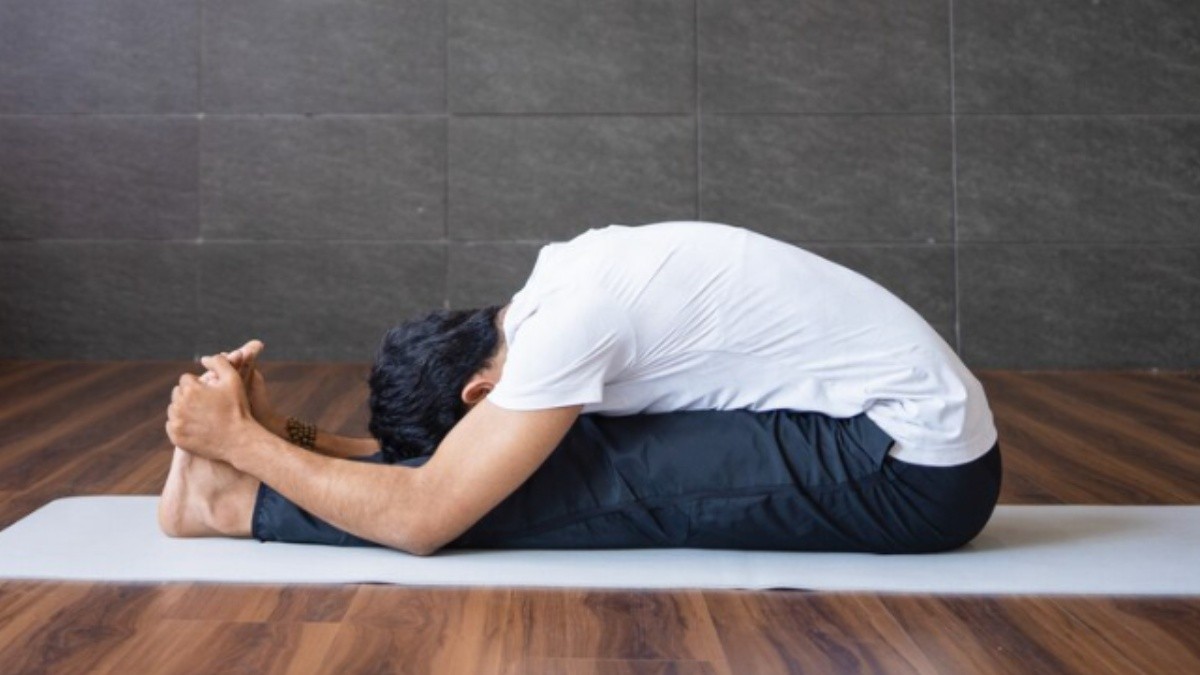
5. Seated Forward Bend
Sit with your legs extended and bend forward gently from your hips. Keep your knees slightly bent if needed. Avoid pulling yourself towards your feet or forcing the stretch. Hold for 20–30 seconds while breathing comfortably.
6. Gentle Supine Spinal Twist
Lie on your back with your knees bent. Lower both knees towards one side while keeping your shoulders comfortable. Return to the centre and repeat on the other side. Move slowly and stop if you experience pain.
7. Corpse Pose (Savasana)
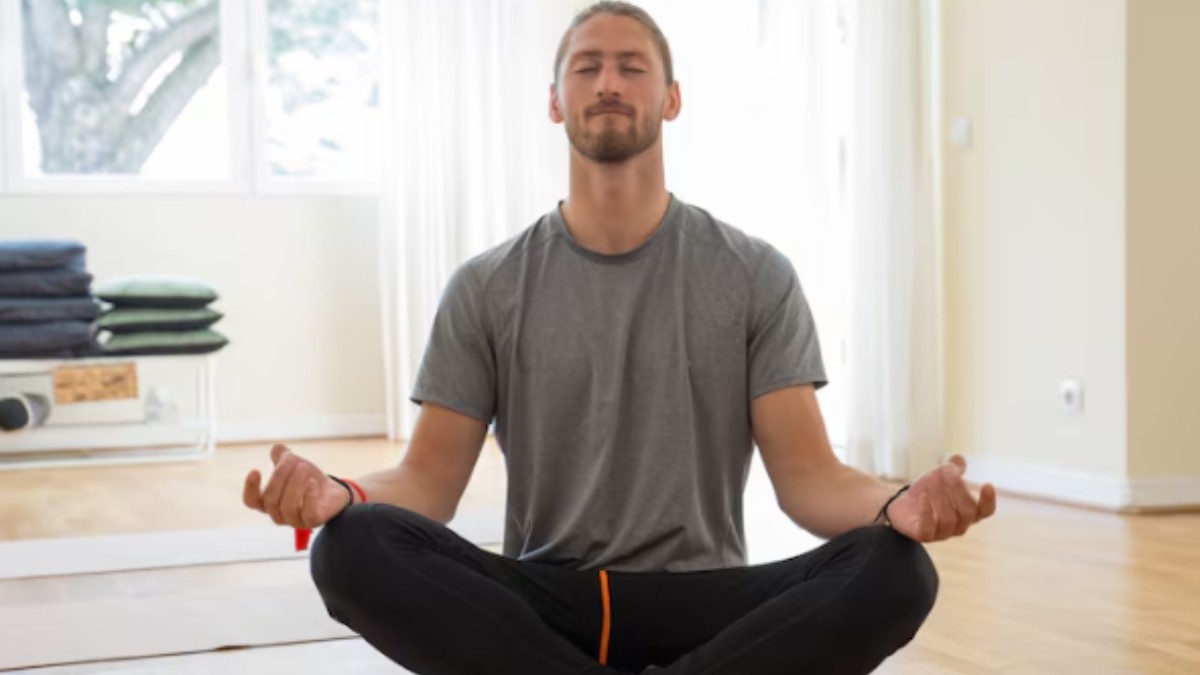
Lie comfortably on your back with your arms relaxed and legs slightly apart. Close your eyes if comfortable and release tension from your face, shoulders and legs. Remain for three to five minutes, allowing your breathing to settle naturally.
Create a Simple Bedtime Yoga Routine
Begin with slow breathing, practice two or three gentle poses and finish with Savasana. Keep your surroundings quiet, dim the lights and avoid checking your phone between poses.
You can adjust the routine according to your energy levels. The goal is relaxation rather than flexibility or physical performance.
Other Habits That Support Better Sleep
Maintain a consistent bedtime, limit caffeine late in the day, reduce bright-screen exposure before sleeping and keep your bedroom comfortable. If sleep problems persist or regularly affect your daily life, consult a healthcare professional. Cognitive behavioural therapy for insomnia (CBT-I) is an evidence-based treatment for chronic insomnia.
Conclusion
Yoga for better sleep is a simple practice that can help you slow down after a busy day. Gentle stretches, restorative poses and mindful breathing may support relaxation and improve your bedtime routine.
Start with a few comfortable movements and practice consistently. Small changes can help you build a calmer transition from daytime activity to nighttime rest.




Comments 0