
I was in a yoga class and I was wondering if the teacher was speaking another language. From Savasana to Vinyasa, yoga has a vocabulary that is confusing for beginners. And the good news is that you don’t need to memorise complicated Sanskrit words to enjoy your practice.
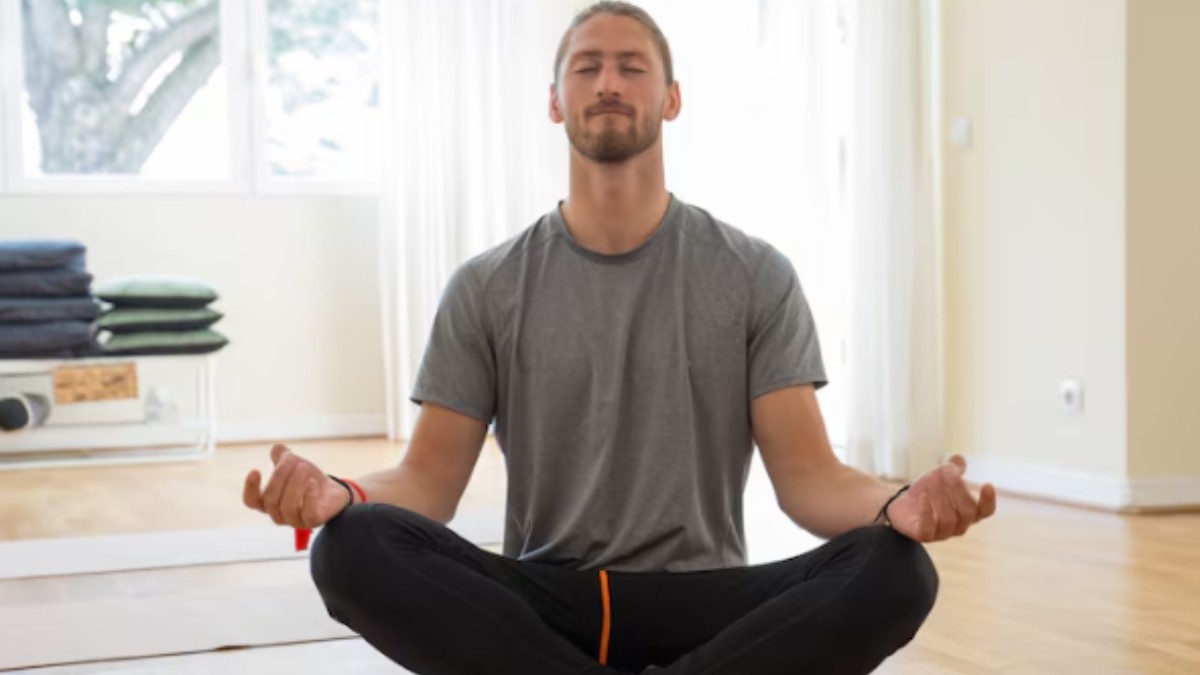
Yoga is the idea of connecting the body, breath and mind. Knowing some of the most common terms will make the first class a little less daunting and the whole experience a lot more fun. We want to give you some light-hearted tips to decode popular yoga lingo without all the academic jargon.
1. Savasana: The Nap You Have Earned.
Sha-VAH-suh-nuh, Savasana is also known as the Corpse Pose. Despite its dramatic name it’s one of the most relaxing parts of a yoga session.
Related Articles

You lie down flat on your back, relax your arms and legs, close your eyes and let your body rest. Savasana is usually performed at the end of a class and allows you time to relax after you have done various poses.
So take it for granted that you are allowed to do absolutely nothing for a few minutes and think of it as the official permission to do absolutely nothing for a few minutes!
2. Vinyasa: Flow Like Water.
Vinyasa refers to linking movements with the breath. In a Vinyasa yoga class, poses flow from one to another in a coordinated sequence.
Related Articles
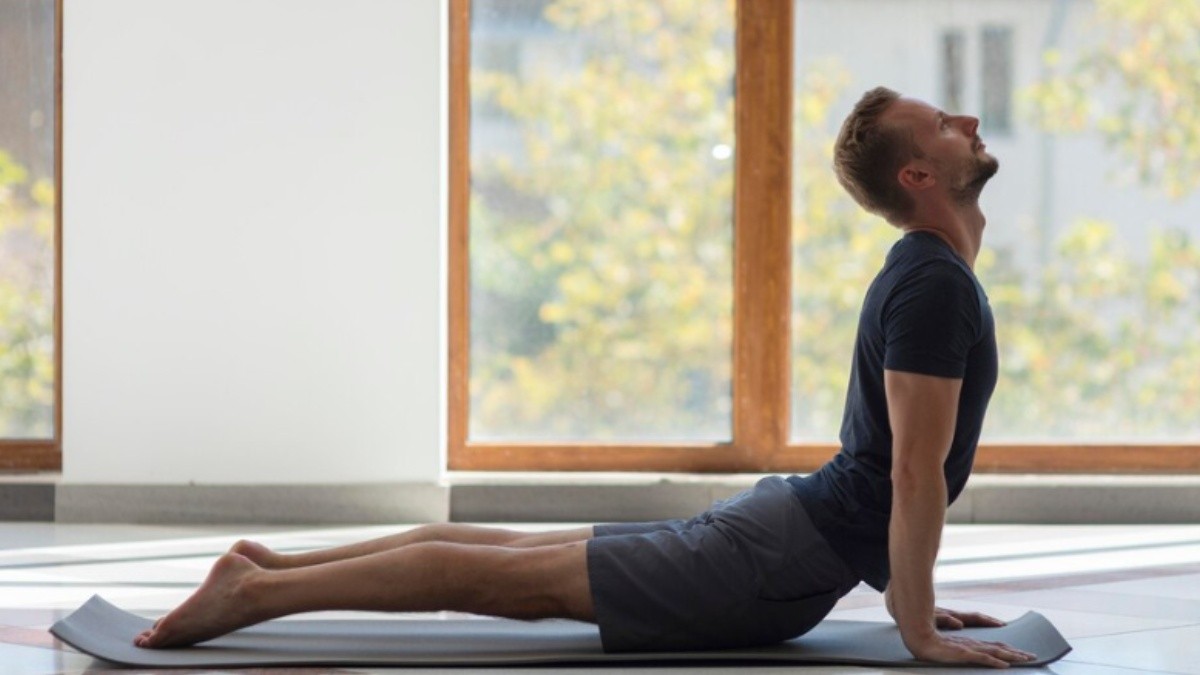
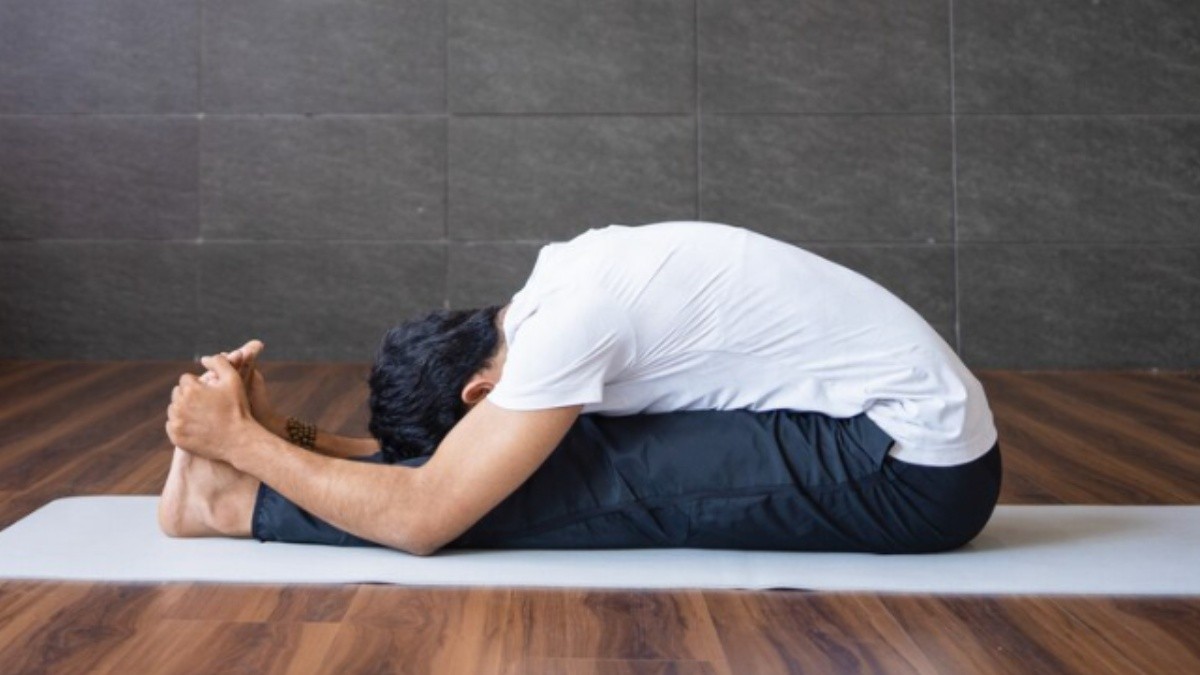
Instead of holding every position for a long time, you can always move, you can keep moving without stopping and you will follow the instructor’s breathing cues.
Imagine a graceful dance in which every movement has a rhythm. That is the basic idea behind Vinyasa. Beginners can move at their own pace and take breaks whenever necessary.
3. Ujjayi: The Ocean Breath.
Ujjayi breathing is a method in which we breathe through our nose while narrowing the throat and making a soft ocean-like sound.
It can be called victorious breath– in yoga practitioners’ practice the sound helps them to keep an eye on their breathing during yoga. If they are paying attention, the sound will be like a gentle reminder to do something to not to be distracted by what happened before or what is to be done tomorrow.
Keep the breath comfortable. It shouldn't be forced or make you struggle for air.
4. Om: The Sound of Stillness.
Om (a sacred sound in Indian spiritual traditions) is also known as Aum. It is often chanted at the beginning or end of yoga and meditation sessions.
For many practitioners, chanting Om is a moment of focus and reflection. It can also help to establish a calm atmosphere before or after practice.
You don’t need to sing as a professional. Listen for a while and get into the moment if it feels right, and do what you want to do.
5. Asana: Fancy word for a Pose
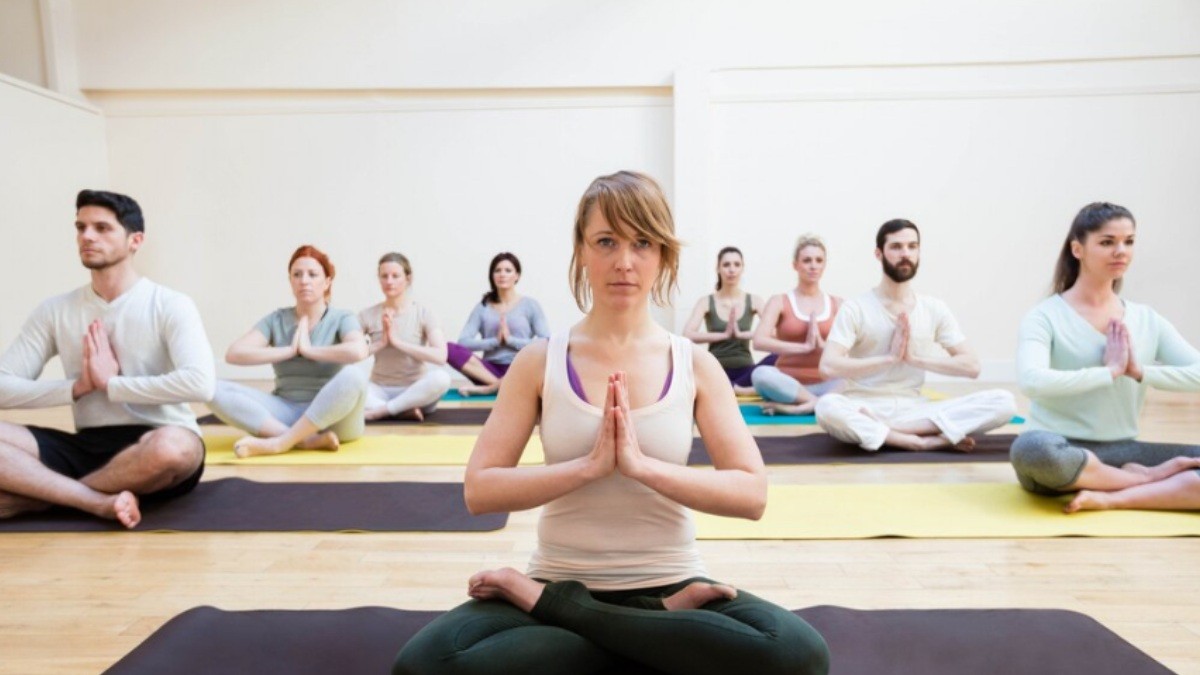
When your instructor mentions an asana, they are talking about a yoga posture or pose.
For example, Tadasana is Mountain Pose, Balasana is Child's Pose, and Bhujangasana is Cobra Pose.
You don’t have to be picture perfect in your flexibility to play an asana. Yoga is about working with your body’s ability, not competing with the person on the other mat.
6. Pranayama: Give Your Breath Some Attention
Pranayama refers to yogic breathing. When breath is not as well taken care of, we might not be aware of it, so breathing can become more focused.
Some of the practices are slow and controlled breathing, while others are specific breathing patterns. Beginners should start with the technique, and go along with a good teacher, and don’t try to force the breath.
7. Namaste: Ending with Respect.
Namaste is a prevalent Indian greeting. In yoga classes, instructors and students might present it at the end to show respect and gratitude.
It is a simple reminder that yoga is not just stretching muscles. It can also encourage humility, awareness and appreciation.
Yoga Lingo Does Not Have to Be Complex.
Learning yoga terminology is easier with practice. You may struggle to remember what an asana is and a pranayama is but soon you will get used to these words.
The next time your teacher says Vinyasa, Ujjayi or Savasana you can learn it with confidence. You will not need to know every Sanskrit word or master every pose to start.
Roll out your mat, breathe comfortably and enjoy the journey. In yoga, progress is not about knowing all the right words. It is about showing up for yourself.




Comments 0